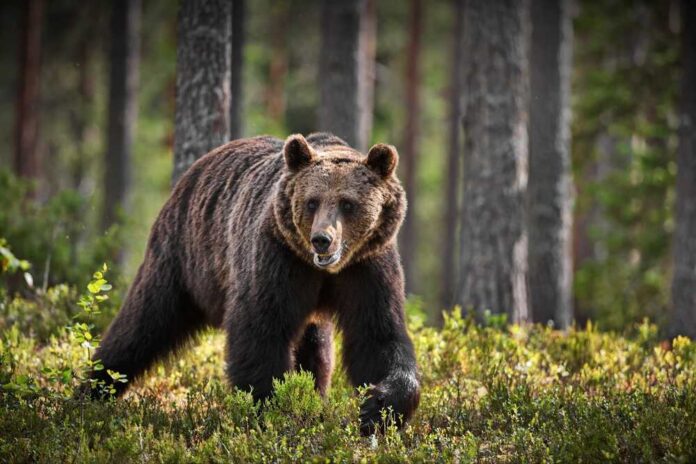
Two women vanished on a short walk near home and were found dead on a trail where officials say scene evidence points to an animal attack.
Story Snapshot
- Conservation officers and police found a mother and daughter dead near Bella Coola.
- Evidence at the scene suggested an animal played a role, prompting an active response.
- Authorities set traps, warned residents, and patrolled at night while searching for the bear.
- A recent history of bear conflicts in the same area raised the urgency.
What Happened On The Trail Near Bella Coola
Family members reported Jennifer Balcarras and her daughter, Selah Reed, missing after they did not return from a short afternoon walk near their home in the Bella Coola Valley. Search teams from the British Columbia Conservation Officer Service and the Royal Canadian Mounted Police combed the Snooka West Trail. Officers found Balcarras’s remains on Monday and Reed’s remains on Tuesday in the same area of the trail system, according to published reports.
The British Columbia Conservation Officer Service said evidence at the scene suggested an animal may have been involved. That single detail shaped the entire response, from how officers secured the area to how they warned the public. Reports from the scene did not list the specific forensics, but the agency’s statement was clear enough to justify urgent wildlife actions while the investigation moved forward. Media characterized the case as a suspected grizzly attack.
How Authorities Responded To A Likely Wildlife Threat
Conservation officers began efforts to locate and capture any bear involved. Traps went in. Patrols increased. Local leaders urged people to stay off trails, keep pets indoors, and move in groups if travel was necessary. The Nuxalk Nation recommended a curfew and supported night patrols with the Royal Canadian Mounted Police and conservation officers. This was not theater. It was a standard public safety posture in a valley where big bears and people often cross paths.
Investigators also worked to answer key questions: Was it one bear or more than one? Where did the animal move after the encounter? What food sources might be drawing bears close to homes and trails in early November? A British Columbia Conservation Officer Service inspector said it was not yet clear whether multiple bears were involved, which kept the net cast wide. That uncertainty justified broad patrols and continued traps while labs processed evidence.
Why This Valley, And Why Now
The Bella Coola Valley holds many grizzly bears, and its mix of salmon runs, fruit trees, and human settlement creates risk if people and bears share space at the wrong time. The same region saw another serious incident last year. Reports describe a prior attack that injured a group of children and adults on a local trail. Officials never conclusively identified the attacking bear from that case, which left residents on edge and made this week’s safety steps feel urgent and familiar.
Jennifer Balcarras (48) and her daughter Selah Reed (20) died following an alleged grizzly bear attack near Bella Coola on the central coast of British Columbia. The pair were reported missing on 1 November 2026 when they failed to return from a planned short afternoon walk on…
— The GoodmorningDewPub Network (@thegoodmorningX) November 5, 2026
Fatal grizzly encounters remain rare across British Columbia, but when they cluster in one community, the pattern matters. Low overall numbers do not comfort a town that has carried two major bear incidents in close succession. Responsible wildlife management means treating each event as real and specific, not as a statistic. That is why officers combined traps, patrols, and lab work, and why local leaders leaned into clear rules for movement and trail use while the search continued.
What Officials Know, And What Comes Next
Published reports state that scene evidence suggested an animal’s role and placed both victims on the same trail area within about a day of each other. Officers mounted a coordinated response, including trapping and night patrols, to prevent further harm while investigators worked. Media reports framed the case as a suspected grizzly attack. Officials had not named a specific bear at the time of those reports, and cause-of-death findings had not been released. Those determinations will come through forensics.
Common-sense takeaways stand out. Stay off posted trails when officers advise it. Hike in groups, carry bear spray where legal, secure attractants, and heed curfews during active searches. Respect for wild places is not fear; it is stewardship. That approach aligns with the values of personal responsibility and community safety. It honors the victims by making sure urgent lessons are learned, shared, and acted on for the next family that wants a simple walk near home.
Sources:
thecanadianpressnews.ca, 13newsnow.com, bbc.com, backpacker.com, dailyhive.com, cbc.ca