

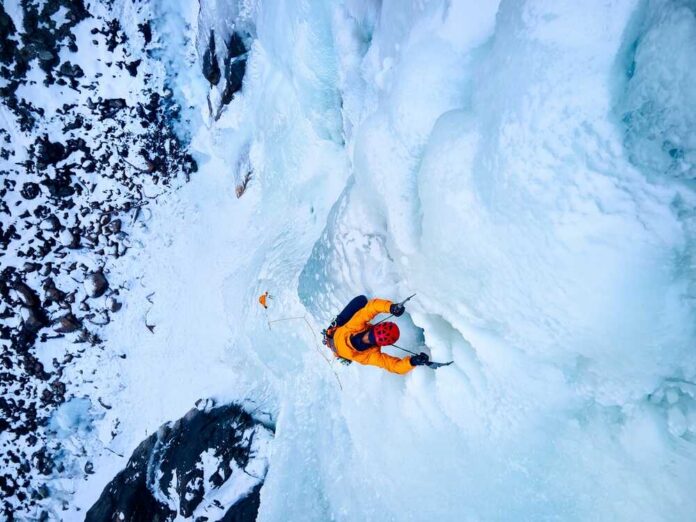
A 57-year-old German climber summited Ama Dablam, then fell nearly a mile on the way down.
Story Snapshot
- Wolfgang Waschiczek reached the 6,812-meter summit of Ama Dablam on October 25, 2026.
- He died the next day during descent in a fall of about 1,500 to 1,700 meters.
- Search teams found his body around 4,500 to 4,600 meters and recovered it by helicopter.
- Expedition managers provided details of the summit, search, and recovery.
Summit Success, Then A Fatal Descent
Wolfgang Waschiczek stood on top of Ama Dablam on October 25 with guide Sonam Lama, then returned to Camp III that evening, according to expedition accounts. He was reported missing during the descent on October 26. Reports describe a long fall that ended far below high camp. This sequence follows a known pattern in high-altitude climbing: more climbers die on the way down than on the way up, when fatigue and thin air stack the odds against sound footing.
Rescuers and air crews searched the fall line the same day. Teams located his body at roughly 4,500 to 4,600 meters, well below the typical Camp III elevation near 6,200 meters. Helicopter support helped retrieve the remains and move them to Lukla and then Kathmandu for formal handling, according to local media tied to the expedition’s logistics company. The recovery location matches a prolonged, steep descent route where a slip can quickly become unrecoverable.
What The Numbers Tell Us About Risk
Climbers face the greatest danger after the summit turn. A landmark study of Everest fatalities showed over half of deaths above 8,000 meters occurred during descent, not ascent. While Ama Dablam is lower than Everest, it is more technical. The route above Camp III crosses exposed rock and ice where small errors carry huge costs. Human limits matter here. Tired legs, dim light, and cold hands reduce grip and speed thinking. Those factors make a long fall sadly plausible.
The reported fall distance in this case ranges from about 1,500 to 1,700 meters, which equals roughly 4,920 to 5,600 feet. That estimate lines up with the change from Camp III to the reported body location. Precision is not the point; scale is. On steep terrain, momentum builds fast and roped sections can fail to arrest a slide if clips, anchors, or timing break down. Guides drill this into clients because on exposed faces, one mistake can run out the rope and the options.
How The Recovery Was Organized
Real Himalaya Pvt Ltd, the outfitter linked to Waschiczek’s climb, alerted search teams when contact was lost and coordinated with air crews, according to named company officials in multiple reports. The operator’s head and managing director described the timeline from the missing-person alert to the recovery. That account includes a clear chain: reported missing during descent, body spotted by air, recovery by helicopter, and transport to facilities for standard procedures. In mountain cases, this sequence is common and credible.
🔴 German climber dies in 5,000-foot fall day after summiting Ama Dablam
Wolfgang Waschiczek, 57, fell approximately 1,500 meters from Camp 3 on Monday, one day after reaching the 6,812-meter summit of Ama Dablam in Nepal's Khumbu region. His guide Sonam Lama left him in a tent… pic.twitter.com/4nWCvyPV6c
— NewsTongue (@NewsTongueX) October 27, 2026
Conservative common sense draws a simple lesson here. Preparation is not a luxury; it is the whole game. The mountain will not bend to a plan or a schedule. Summit fever, the rush to tag the top after days of effort, is not worth a rushed descent. Every team should treat the way down as its own mission with fresh margins for daylight, weather, and energy. Fixed ropes and guides help, but they do not erase risk. They buy chances. Climbers must still spend them wisely.
Why Ama Dablam Demands Respect
Ama Dablam looks like a perfect pyramid from the Khumbu valley. The shape hides how complex the ridge really is. Past accidents on this mountain include deadly events at high camps, including serac and icefall hazards above Camp III that have killed climbers before. The route rewards precise footwork, steady pacing, and tight team checks. On descent, those habits matter more—the loss of one climber after a successful summit underlines that truth as sharply as any record book.
Sources:
cbsnews.com, independent.co.uk, thehimalayantimes.com, telegraphindia.com, nampa.org, english.onlinekhabar.com, bmj.com, en.wikipedia.org