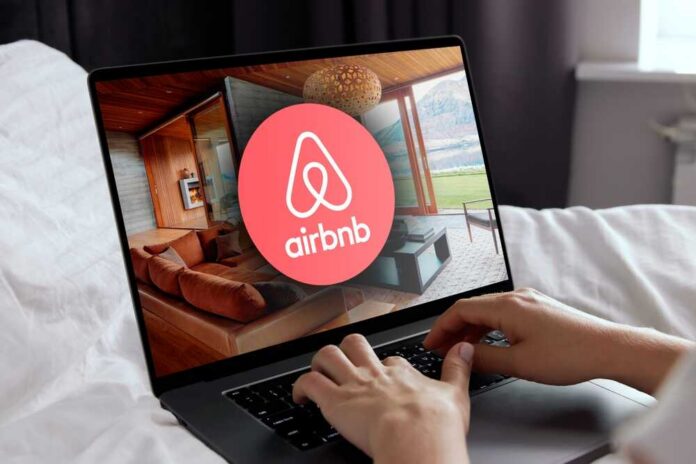
Airbnb just told millions of travelers they can stop doing the dishes and stripping the beds, and it is not backing down.
At a Glance
- Airbnb banned hosts from requiring chores like dishwashing and bed stripping for new bookings starting November 20.
- Guests can still be asked to do light tasks like putting used dishes in the sink and sorting trash into indoor bins.
- Airbnb says cleaning fees should pay for cleaning, not guest labor; hosts cannot charge penalties for skipped chores.
- Hosts warn higher cleaning costs could raise prices for travelers, though hard data on price effects is not yet public.
What Airbnb Changed And When It Kicks In
Airbnb updated its global house-rules guidance to limit what hosts can demand at checkout. For reservations booked on or after November 20, hosts may not require chores that take significant time or resemble cleaner work. The company put dishwashing, bed stripping, and taking trash off-site on the do-not-demand list. Airbnb’s help center spells out the rule and says listings can be flagged if they post noncompliant requests. Reported summaries match those details and timeline.
The new standard draws a clean line between chores and common sense. Hosts can still ask guests to place used dishes in the sink, gather used towels, and sort trash and recycling into indoor bins. Those steps are allowed because they are quick and don’t replace professional cleaning. Airbnb emphasizes that hosts cannot charge any extra fee for not doing listed checkout tasks, which undercuts “gotcha” charges that annoyed travelers.
Why Airbnb Says It Did This
Airbnb framed the move as basic fairness. If a guest pays a cleaning fee, the cleaning team should clean. That argument appears across coverage of the change and in the company’s own guidance. The platform has pushed price transparency in recent years, nudging hosts to right-size fees and reduce checkout friction. The goal is clear: win back travelers who felt nickel-and-dimed and drafted into labor after paying a fee meant to cover the work.
Exceptions exist for real-world edge cases. Properties in bear country can instruct guests to use animal-proof trash containers. Homes in drought zones can limit shower times. These are not loopholes to revive chore lists; they align house rules with safety or local conditions. Airbnb says such exceptions must be reasonable and specific to the property or locale, not a back door to bring back banned tasks.
How Enforcement Works And What Guests Should Expect
Airbnb says guests can flag listings that demand prohibited chores. The company can enforce the policy against the listing and let the host appeal. That process keeps the platform, not the traveler, as the referee. Importantly, hosts cannot tack on a fee because a guest did not do checkout tasks. That removes surprise penalties and puts the cost of cleaning where Airbnb says it belongs: in the fee the host sets up front.
@Airbnb guests and hosts are screaming at each other over who does the dishes. The new chore ban is the latest symptom of something much bigger.
When was the last time you rode in an Uber with a driver who was happy with @Uber? Or met a restaurant owner who loved @DoorDash? Or…
— Sudheesh (@sudheenair) October 25, 2026
Travelers should still respect the home. The policy does not license bad manners or damage. It targets time-consuming turnover labor, not basic care during a stay. Guests who trash a property still face damage claims. The clearer rule should also reduce friction at the door. Guests know the few quick steps they should take. Hosts know the cleaning team will handle the rest. That clarity saves time and avoids awkward checkout standoffs.
Host Pushback, Price Fears, And What We Can Prove
Some hosts argue the rule shifts labor to paid cleaners and will raise costs. A host interviewed by a national broadcaster warned that off-site cleaners will need more time, which could increase fees passed to guests. Other coverage reports a petition and similar claims, along with predictions that prices could rise as cleaners take on the extra work. Those warnings deserve attention but remain claims until pricing data shows a change.
The cost case lacks hard numbers so far. The record does not show typical cleaning-fee amounts tied to these chores, average extra minutes per turnover, or post-policy price changes. Airbnb’s policy does not ban all checkout steps, and it allows case-based exceptions, which reduces the jump in cleaner time. Common sense and conservative values favor clear prices, no double billing, and property care that matches what you paid for. On that score, the rule aligns with paying once for a defined service, not twice.
What To Watch Next
Three signals will tell the real story. First, guest satisfaction and rebooking rates after the change. Second, listing prices and cleaning fees across similar markets this season versus last, adjusted for inflation. Third, enforcement consistency: how quickly Airbnb removes or revises listings with banned chore demands and how it resolves appeals. Until those metrics arrive, the firm fact is simple: the platform drew a bright red line on chores, and it gave guests a button to report violators.
Sources:
cbsnews.com, nbcnews.com, cbs19.tv, bbc.com, airbnb.com, reddit.com, fastcompany.com