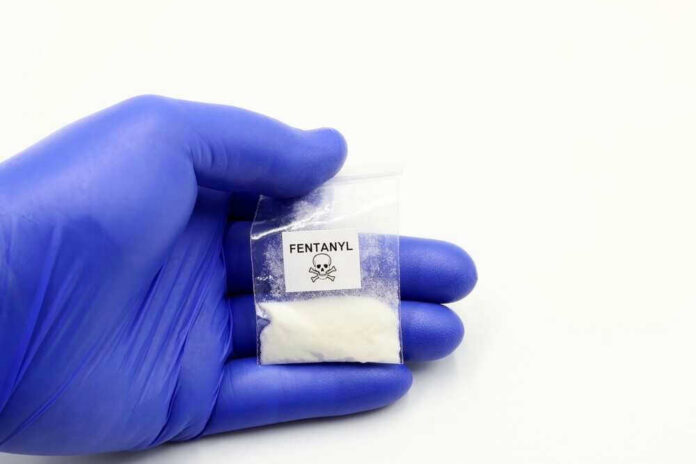
A synthetic opioid ten times stronger than fentanyl has now been tied to 55 deaths across ten states, and it first showed up on a coroner’s report after killing a 16-year-old boy in San Francisco.
Quick Take
- Federal officials say cychlorphine, a synthetic opioid, has been linked to at least 55 deaths nationwide between 2025 and 2026.
- The drug has turned up in ten states and was detected 106 times in 2025 alone, according to a federal drug-threat notice.
- San Francisco teenager Dante Lacourte, 16, died in April after taking cychlorphine, marking the city’s first known case.
- San Francisco police arrested four people, including two adults in the Tenderloin, and seized more than 20,000 counterfeit pills.
A New Name On The Coroner’s Report
When San Francisco’s medical examiner finished the autopsy on Dante Lacourte, the report included a word the coroner’s office had never used before: cychlorphine. The 16-year-old died in April after taking a combination of drugs. Experts say cychlorphine is about ten times as potent as fentanyl, a drug already blamed for tens of thousands of overdose deaths a year across the country.
Lacourte’s death was not an isolated case. It became the first confirmed example in San Francisco of a drug class police had been watching spread through other parts of the country. His case opened the door to a wider investigation into who was selling the pills and where they came from.
Where The Drug Comes From And How It Spreads
Cychlorphine belongs to a family of synthetic opioids called orphines, first created by Belgian chemist Paul Janssen back in the 1960s. The drug reappeared in the United States in 2024, showing up in counterfeit pills made to look like prescription painkillers. Dealers often mix it into other drugs, meaning buyers may not know they are taking it at all.
A federal drug-threat notice from the Office of National Drug Control Policy found cychlorphine in ten states and connected it to at least 55 deaths between 2025 and 2026. In 2025 alone, officials detected the drug 106 times across all four regions of the country. The notice called it one of the fastest-spreading new synthetic opioids officials have tracked.
Arrests Follow A Months-Long Investigation
San Francisco police spent months building a case after Lacourte’s death. Officers arrested Nicholas Wallace, 46, and Sharonee Hyson, 44, at a Tenderloin residence on September 8, along with two others, as part of a drug trafficking investigation. Prosecutors filed charges connected to the teen’s fatal overdose, tying the arrests directly to the pills found in the probe.
Investigators seized more than 20,000 suspected counterfeit pills during the operation, a haul that shows how widely the drug had already been distributed through street sales. The scale of the seizure suggests cychlorphine was not a rare find but part of an active local supply chain feeding users who may not have known what they were buying.
A Familiar Pattern With Real Stakes
This is not the first time a new opioid has outpaced the public’s understanding of it. Carfentanil, a drug roughly 100 times stronger than fentanyl, prompted a similar federal warning back in 2016 after it began appearing in street drugs nationwide. Each new wave follows the same path: a death draws attention, testing confirms a new substance, and officials scramble to warn the public before more people die.
A newly identified synthetic opioid, cychlorphine, has been detected in counterfeit pills, highlighting evolving risks within the illicit drug supply.
Learn more:https://t.co/nNMuXSEA3Z#OpioidAwareness #SubstanceUsePrevention #PublicHealth pic.twitter.com/xlkfozlOS0
— CADCA (@CADCA) October 19, 2026
The pattern matters because it shows how quickly underground chemists adapt once law enforcement cracks down on one substance. As fentanyl faced more scrutiny, something even stronger filled the gap. Families now watching the chlorofluorocarbon warnings are living through a cycle this country has seen before, with the same deadly stakes and the same urgent need for quick, honest information from health officials.
Sources:
foxnews.com, nytimes.com, usatoday.com, newsweek.com, patch.com