
Federal investigators say there is evidence the Learjet began breaking apart before it slammed into a South Florida roadway, killing all nine on board.
Story Snapshot
- NTSB said there is some evidence of in-flight breakup before impact.
- Investigators expect debris could be found away from the main crater.
- The jet entered a steep, rapid descent after an overspeed report.
- Weather and crew actions remain key lines of inquiry.
What Investigators Confirmed So Far
The National Transportation Safety Board said early evidence points to parts separating from the Learjet before it hit the ground. Board Member Tom Chapman told reporters, “some evidence” suggests breakup began in flight and warned crews may find pieces away from the impact crater. Reporters at the scene described a deep gouge in the roadway and a wide debris area that complicates recovery and mapping. Officials stressed that this is a preliminary read from on-scene work, not a final cause.
🚨 BREAKING: NTSB says there are indications the Learjet which crashed in Florida yesterday was "BREAKING UP" prior to impact
"We may find parts of the aircraft some distance away from the actual impact site."
This seems to make the theory about the horizontal stabilizer… pic.twitter.com/MjgoubWvgN
— Nick Sortor (@nicksortor) November 2, 2026
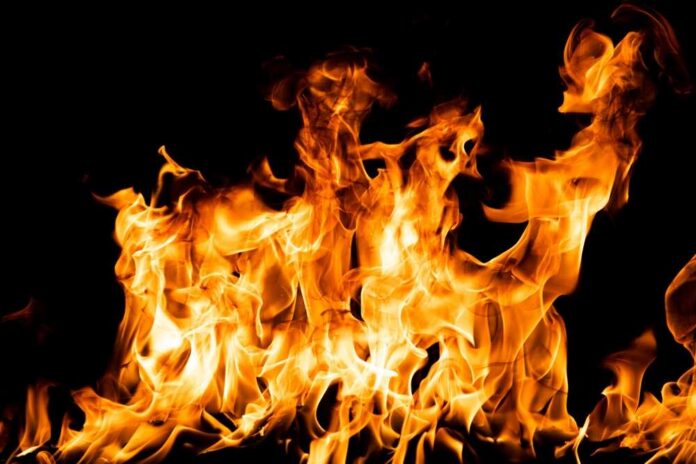
Investigators said the crew reported an overspeed condition before the jet plunged. Tracking and radio details place the jet in a steep, high-energy descent that ended in a fireball near homes and a busy road. That sequence focuses attention on structural loads, control-surface health, and whether the airframe saw forces beyond its limits. The Board said search teams may locate components far from the crater if they separated in the air, which would help time the breakup.
Why “Parts Away From The Crater” Matters
Debris found apart from the main site can mean three different things. First, violent ground impact can fling pieces outward. Second, the airplane can shed parts during the final dive. Third, a failure can start the emergency by breaking a key part first. Investigators now work to sort which one applies. They look for fracture clues, control cable continuity, and telltale bends that show loads and directions at the time of failure.
The Board often pairs debris mapping with weather and speed data. That mix can explain if turbulence, icing, or flutter pushed the jet past its safe limits. In a past safety alert, the Board warned that exceeding speed limits can trigger flutter and lead to tail or fin loss in a steep dive. That warning reflects known physics and is a fair lens for this case until lab work says otherwise. It does not declare the cause here; it sets the checklist the team will run.
Weather, Overspeed, And Structural Loads Under Review
Reports point to rough weather in the area and a rapid descent after an overspeed call. The Board said weather is a major focus and will be checked against the jet’s path and speed. Icing, turbulence, and pilot responses can stack risk fast. If the airplane exceeded its design limits, it could have overstressed control surfaces or sparked flutter. Prior National Transportation Safety Board cases show how heavy turbulence, icing, and high speed can combine into control loss and in‑flight breakup.
Investigators will test if the horizontal stabilizer, elevators, or rudder were intact before impact. They will do continuity checks and inspect hinges, fittings, and fasteners. Metallurgy can show if a part failed from overload in one instant or from a slow-growing crack. The team will also mine radar and tracking data to tie any found parts to a time stamp in the descent. That timeline helps answer whether separation started the dive or happened inside it.
What Comes Next, And What To Watch
The National Transportation Safety Board will recover, tag, and lay out the wreckage, then release an initial factual report in the coming weeks. Expect a debris map, summaries of weather data, and notes on crew communications. If investigators find parts away from the crater, they will log coordinates and compare fracture faces under microscopes. The Board will not name probable cause until the full docket is built and reviewed, a process that can take a year or more.
🚨 💔 NINE PEOPLE KILLED IN HORRIFIC FLORIDA PLANE CRASH
Investigators are examining a deadly Learjet crash in South Florida that claimed nine lives.
Preliminary findings indicate that parts of the aircraft may have broken off while it was still in the air.
Investigators are… pic.twitter.com/ggewQizOcJ
— Breaking News (@dmoritz08151) November 3, 2026
Two facts should guide public judgment now. First, the Board itself raised the in‑flight breakup lead, so it deserves attention. Second, the same Board said the work is early, and several paths stay open. That balance respects common sense: follow the strongest facts, avoid leaps. The focus should stay on verifiable steps—where parts were found, what loads the jet saw, what the crew reported, and how the airframe responded. That is how truth in aviation gets built.
Sources:
cnbc.com, abc15.com, wdbo.com, news4jax.com, sg.news.yahoo.com, aerotime.aero, foxnews.com, ntsb.gov, data.ntsb.gov