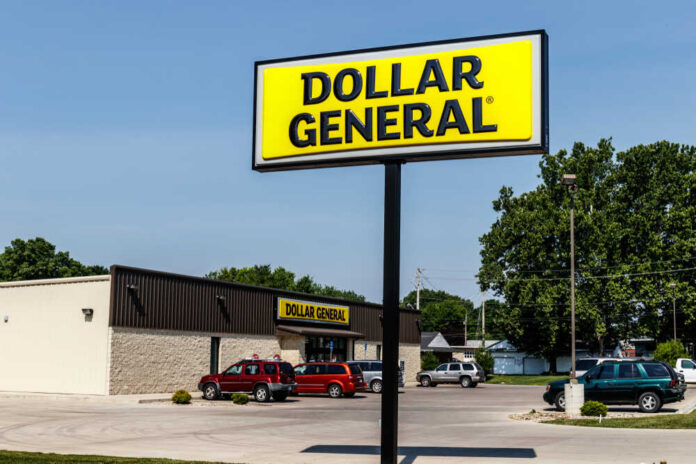
Federal regulators and 20 state attorneys general say Dollar General charged customers more at the register than the shelf price, millions of times over, for years.
Quick Take
- The Federal Trade Commission (FTC) and 20 states sued Dollar General on October 26, 2026, alleging long-running deceptive pricing.
- Undercover purchases in Ohio, Pennsylvania, Missouri, and Maryland allegedly rang up higher than the shelf price every time.
- Dollar General’s own records allegedly show 29,265 customer complaints about price mismatches from all 48 states where it operates.
- Dollar General says its goal is 100% price accuracy and that store teams fix mistakes when they happen.
What The Lawsuit Says Happened At The Register
The FTC filed a complaint against Dollar General Corporation, joined by attorneys general from 20 states. The complaint says Dollar General routinely charged shoppers more than the prices shown on shelves, tags, and ads, costing customers millions of dollars over several years. The case seeks a court order to stop the practice, refund customers, and impose civil penalties.
Investigators did not just rely on customer complaints. The complaint reportedly describes FTC staff making undercover purchases at Dollar General stores in four states. In each case, the checkout price was higher than the price posted on the shelf. That pattern, repeated across different states, is central to the government’s claim that this was not a one-store glitch.
Thousands Of Complaints Poured In From Every State
Dollar General’s internal data allegedly tells its own story. Between January 2023 and March 2026, the company received at least 29,265 complaints logged under the category “Did Not Honor Marked Price.” Those complaints reportedly came from customers in all 48 states where Dollar General operates stores. That number is too large and too widespread to dismiss as a handful of cashier mistakes.
The complaint also points to history. It reportedly cites thousands of failed state pricing inspections over time, plus seven earlier settlements Dollar General reached with states over pricing problems. In plain terms, regulators say this isn’t the first time anyone has raised a red flag about Dollar General’s shelf prices not matching what shows up at the register.
How A Price Tag Can Lie To A Shopper
The alleged mechanism is simple and familiar to anyone who runs a cash register. Store computers can update prices instantly. Paper shelf tags cannot update themselves; a person has to walk the aisles and swap them out. Reporting describes the FTC tying thin store staffing to failures to replace outdated labels weekly. Fewer workers means more stale tags, and more stale tags means more shoppers paying a price they never agreed to.
This is not a brand-new problem for retail. Federal inspectors who checked over a thousand stores nationwide once found more than 3% of items mispriced, with about half of those errors overcharging customers, and nearly a third of inspected stores failing to meet a 98% accuracy standard. A separate long-term academic study of over 230,000 products found scanner errors happen more often on advertised items and products flagged at checkout. Dollar General’s case lands inside a known, long-standing industry weak spot, which makes the scale of these new allegations harder to brush off as a fluke.
Dollar General’s Response To The Allegations
Dollar General has pushed back. The company told reporters its goal is 100% accuracy between shelf and register prices, and that occasional discrepancies can happen despite its policies. It said its store teams are expected to make things right when a mistake is caught, and it has worked to improve its pricing processes. The company has indicated it plans to contest the lawsuit rather than settle quietly.
The FTC and 20 states say Dollar General's shelf prices miss its register prices because stores are "frequently too thinly staffed" to print new price labels and put them on shelves. The complaint says people at the top of the company knew the stores were understaffed, citing… pic.twitter.com/KM6WYyLDyB
— Aaron Harme (@Aaron_Harme) October 26, 2026
For everyday shoppers, especially those on fixed incomes who rely on dollar stores to stretch their budgets, this case matters more than its legal paperwork suggests. A few cents here and there on one receipt seems small. Multiplied across tens of thousands of stores and millions of transactions, regulators say it adds up to real money quietly pulled from people’s wallets. The case now heads toward the courts, where Dollar General will get its chance to answer the charges directly.
Sources:
cbsnews.com, 6abc.com, ttnews.com, courthousenews.com, news.bloomberglaw.com, freep.com