
A sunset swim at a luxury beach resort ended with a man in the jaws of a crocodile.
Story Snapshot
- A 28-year-old visitor from Mexico City was dragged out to sea and killed by a crocodile
- The attack happened steps from the Marriott Puerto Vallarta Resort and Spa, around 6 p.m.
- A California family watched the struggle and tried to save him as the reptile twisted and pulled him under
- Officials call the event “isolated,” but past attacks and warning signs raise hard questions about resort safety
A deadly attack at a beach sold as paradise
On Friday evening, around 6 p.m., a 28-year-old man named Irving Mauricio entered the water at Marina Vallarta Beach, in front of the Marriott Puerto Vallarta Resort and Spa in Puerto Vallarta, Mexico.
The sun was setting, families were still swimming, and the resort sat between the ocean and nearby mangrove and estuarine habitats where crocodiles live. Police say a crocodile suddenly attacked him near shore, clamped down, and dragged him out toward deeper water.[2]
Witnesses say the calm scene flipped in seconds. A California couple, relaxing by the hotel pool, heard screams from the beach and ran toward the water. They saw Irving in the ocean, with a large crocodile holding him by his thigh, rolling and pulling him under as he fought to stay above the surface.
They grabbed a life preserver and a kayak, trying to get close enough to help, but the animal’s size and speed made that almost impossible. The man slipped under and did not reappear.[6]
Search, recovery, and an official story
Jalisco State Police launched a search-and-rescue operation by land and sea throughout the night, joined by other local authorities. Crews scanned the shoreline and offshore waters. By Saturday morning, they found Irving’s body about 300 meters from shore.
Officials later reported they had also captured the crocodile suspected in the attack near the same coastal zone, where rivers and estuaries meet the ocean and offer natural pathways for the animals.[2]
Police and the local attorney general quickly labeled the case a fatal crocodile attack and publicly identified Irving as a 28-year-old man from Mexico City. This official framing matters. It settles the cause of death in the public record and shapes how the resort and tourism industry respond.
There is no competing forensic report that disputes the crocodile explanation; witness accounts, body recovery details, and the capture of a matching crocodile all support the state’s version of events.[2][3]
Resort warnings, responsibility, and repeat risk
Marriott Puerto Vallarta told ABC News that “the safety and security of our guests and associates are our top priority” and said warning signs, night patrols, and red flags were all properly in place at the time of the attack.
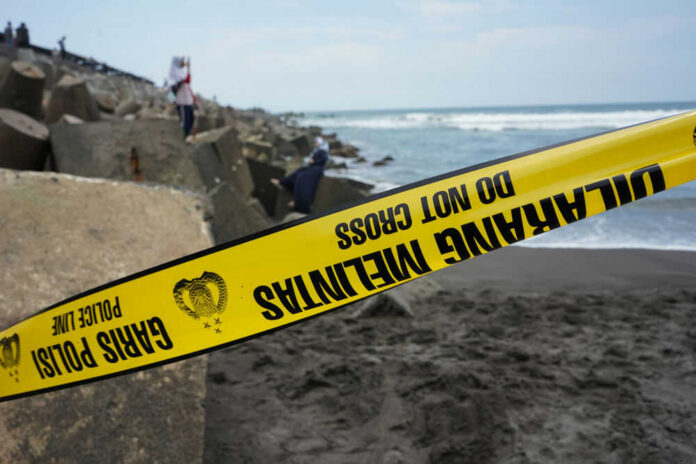
Photos from the beach show clear hazard signs warning of crocodiles and other wildlife near the waterline. From this basic point of personal responsibility, matters: if signs say “danger, wildlife present,” people should take that seriously and stay out of the ocean after dark or near estuaries.[2]
But there is another side. Local guests and online posters point out that this stretch of Marina Vallarta Beach has seen prior crocodile attacks on tourists in 2022 and 2023, including people bitten while swimming at night. These were not mass-casualty events, but they form a pattern.
When a resort knows large predators share the same water, true stewardship demands more than small warning boards. Stronger rules, active staff alerts, and even limited beach access in high-risk zones can be effective, low-cost measures that respect both wildlife and human life.[5]
Rare global odds, concentrated local danger
Crocodile attacks like this remain very rare worldwide. One analysis cited by surf and travel media puts the odds of a fatal crocodilian encounter at about one in 2.5 million. That number sounds comforting, and officials leaned on it, calling this event “lamentable, unusual, and isolated.”
Yet those broad odds hide something important: danger is not evenly spread. Risk is higher where human beaches sit right next to mangroves, river mouths, and estuaries that crocodiles use every night.[2]
A Mexican man was killed by a crocodile near the Marriott Puerto Vallarta Resort and Spa. The attack was witnessed by a pair of tourists from California.https://t.co/MUBsaMHFA2
— The Inertia (@the_inertia) June 29, 2026
Puerto Vallarta’s growth has pushed hotels and condos along rivers and marshes that remain full of crocodiles. Families get infinity pools and sunset views; the reptiles get easy access to fish and, if people are careless, human limbs in the surf.
From this standpoint, this is a classic case of wanting the benefits of wild beauty without fully accepting its costs. Freedom to swim where you want carries risk. But freedom also depends on honest information, not on tourist brochures that bury those risks under marketing.[2]
What this means for travelers and for truth
Irving’s death now sits in a familiar tug-of-war between comfort and reality. Authorities and the resort insist this was an outlier, and by raw statistics they are right.
Yet guests and local voices remember multiple attacks along the same beach, and they see families back in the water mere hours after a man was pulled under by a reptile whose head was “as long as a torso.” That disconnect should bother anyone who cares about straight talk and basic duty of care.[2][6]
For travelers, the lesson is blunt. Crocodiles, sharks, and other predators do not read resort marketing copy. They follow food, currents, and tides. If a beach sits near mangroves or river mouths, treat every warning sign as real, not as legal fine print.
For resort operators and local governments, respecting human life means managing risk openly, not hiding behind the word “isolated” when the same stretch of sand keeps showing up in the news.[5]
Sources:
[2] Web – Man killed after being dragged out to sea in crocodile attack at …
[3] Web – Crocodile Kills 28-Year-Old at Mexican Beach Resort (Video) – Surfer
[5] Web – Horrifying Crocodile Attack! : r/puertovallarta – Reddit
[6] Web – A California couple who tried to save the victim describes the …