

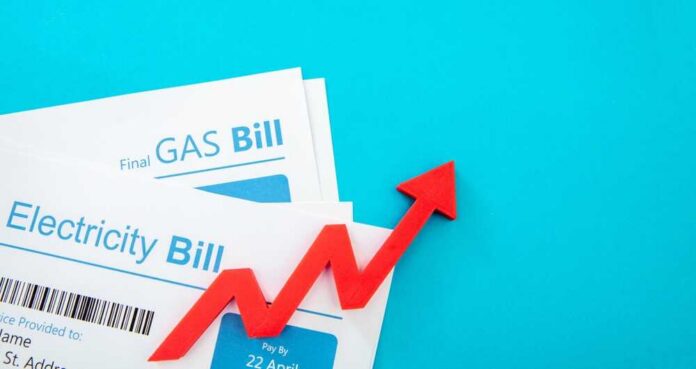
Your wallet has been paying for a war you never voted on, line by line.
Story Snapshot
- Moody’s economist Mark Zandi pegs the household hit near $1,000 since late February.[1]
- Energy price spikes drive most of the pain: gas, diesel, and jet fuel ripple through costs.[1][2]
- A separate Moody’s tally lands lower at about $750 per household, revealing a methods gap.[2]
- Direct military outlays are only part of the bill; indirect shocks drive the rest.[1][2]
The $1,000 headline and what it claims to count
Mark Zandi of Moody’s Analytics told CBS News that the Iran war has cost the typical American household about $1,000 since the conflict flare-up on February 28. He breaks it into higher gasoline, groceries, airfare, borrowing costs, and a taxpayer share of daily military spending.
Gas alone makes up about $300 per household. He also cites about $250 per household from defense operations that he estimates at $50 million per day. The claim is sweeping and grabbed attention for a reason.[1]
Another Moody’s estimate reported by business media puts the hit closer to $750 per household. That version attributes most of the damage to energy prices as oil supply fears pushed up gasoline, diesel, and jet fuel costs. It also ties firmer mortgage rates to rising Treasury yields during the conflict’s early months.
These dueling figures show the core issue: how you measure the shock changes the answer. Both tie the burden to energy, but they differ on scope and timing.[2]
Iran war has cost Americans $1,000 per household, economist estimates. https://t.co/a7AGhFay4W
— CBS News (@CBSNews) June 29, 2026
Energy is the fuse that lit the household bill
Gas prices jumped as the war shook oil markets. Households pay at the pump first, then again at the store, and again when they fly. Zandi’s breakdown credits $300 to gasoline and $100 to airfare from pricier jet fuel.
He adds $200 to groceries as diesel costs lift transport from farms, factories, and ports. Al Jazeera’s summary of Moody’s puts the average energy hit near $447, which fits the same story: energy shocks move fastest, reach everyone, and rarely stop at one line item.[1][2]
Mortgage math also shifted. The thirty-year fixed rate climbed from under six percent to around six and a half percent in the early stretch of the conflict, as Treasury yields rose with risk and inflation fears.
That change added costs to new loans and some adjustable-rate debt. Zandi assigns $150 per household to higher borrowing costs that he says blocked expected rate cuts. The total does not fall on one family equally, but the direction is clear and negative.[2]
The evidence gap and why it matters to your wallet
Zandi’s $1,000 figure lacks a public technical paper, so we cannot check the data, model, or confidence range. His $50 million per day defense tab also lacks a direct link to official budget lines. Those holes do not prove him wrong; they do mean readers should separate what is measured from what is inferred.
The lower $750 figure reported elsewhere by media, also from Moody’s, highlights that methods, windows, and pass-through assumptions drive the totals.[1][2]
Common sense says count both the direct bill and the knock-on hits. History shows that the Pentagon invoice is the down payment, not the mortgage. Wars raise oil risk, oil lifts transport and goods, and higher inflation can keep interest rates up for longer.
That playbook strains family budgets and small businesses first. On balance, claims that minimize these second-round costs look weak next to the fuel-led price data and the rate path we actually saw.[2]
What to watch next and how to pressure-test the numbers
Household impacts will track three gauges: pump prices, freight costs, and mortgage rates. If gasoline and diesel stay elevated, grocery and airfare costs will lag but follow. If Treasury yields drift down, new loan costs can ease.
To firm up the totals, the clean path is sunlight. Moody’s can publish the full method behind the $1,000 figure. The Department of Defense can release daily operation costs. Agencies can provide route-level airfare and category-level grocery data.[1][2]
The war in Iran has cost Americans $1,000 per household – and the bill is rising
Moody's chief economist Mark Zandi estimates that the typical American household has already paid $1,000 in additional costs since the war began – and the final bill will be "significantly higher".… pic.twitter.com/iSTGozNJzY
— S p r i n t e r (@SprinterPress) June 30, 2026
Policy claims should meet a simple test: show your math. Voters deserve numbers they can audit. That aligns with principles of accountability, smaller hidden taxes, and straight talk about trade-offs.
If leaders keep saying the economy is strong while families see higher bills, trust erodes. If analysts tout stock gains while ignoring rent, fuel, and food, the message rings hollow. The fix is not spin. The fix is clarity, restraint abroad, and relief at home grounded in facts.
Sources:
[1] Web – Iran war has cost Americans $1,000 per household, economist estimates
[2] Web – 100 days into Iran war, Americans face higher prices – Al Jazeera