

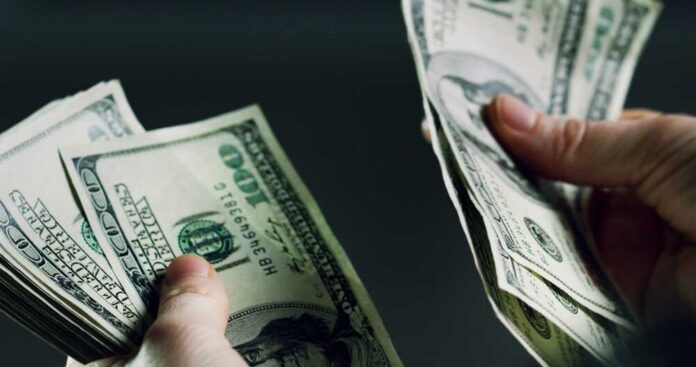
Los Angeles just admitted its radical $30 “Olympic wage” plan was too dangerous for the local economy—delaying the full hit until after the games to avoid layoffs and a fiscal crisis.
Story Snapshot
- City leaders delayed the hotel and airport worker wage hike to $30 an hour from 2028 to 2030 after warnings of job cuts and higher prices.
- Hotel jobs in Los Angeles County have already fallen, with the largest year-over-year loss in a decade as earlier wage hikes kicked in.
- A powerful hotel–airline coalition used a ballot threat to repeal a major city tax, forcing the council to change course.
- The wage will still rise in steps, meaning higher costs, possible layoffs, and more expensive stays for families visiting during the World Cup and Olympics.
City Delays ‘Olympic Wage’ After Economic Alarm Bells
Los Angeles politicians once promised a dramatic pay jump for hotel and airport workers, pushing the minimum wage to $30 an hour in time for the 2028 Olympics.
Under that plan, wages would climb from about $22.50 an hour in 2025 through annual increases, landing at $30 during the peak tourism boom.
But as businesses saw costs spike, hotel owners warned the mandate would trigger layoffs, hiring freezes, and more automation to replace workers. In May, the City Council voted to delay full implementation to 2030, quietly confirming those fears.
LA delays $30 'Olympic wage' until after games as hotel owners warn of layoffs, economic fallout https://t.co/no3oLUNm96
— FOX Business (@FoxBusiness) June 28, 2026
According to reports based on city data and industry surveys, labor costs were already hitting operators hard even before the $30 rate took effect. A 2023 Oxford Economics study predicted that the original $30 hotel wage would cost Los Angeles nearly 15,000 jobs across the broader economy.
A later survey by the American Hotel and Lodging Association found that 88 percent of Los Angeles hotels had already cut staff or hours once the new wage path was approved. Faced with these numbers, the council’s delay looked less like compassion and more like damage control.
Hotel Jobs Drop As Wage Mandates Bite
Fresh analysis of federal Bureau of Labor Statistics data shows hotel and motel employment in Los Angeles County fell 1.7 percent in December 2025 compared with a year earlier, the worst non-COVID drop in a decade.
Researchers tie that decline to aggressive local wage rules, including a hotel-specific minimum that has already been raised to $22.50 per hour in the city.
When labor is the highest cost for a hotel, fast wage hikes force tough choices. Owners can trim staff, reduce hours, delay expansions, or raise prices on guests, including families traveling on tight budgets.
Economic research on “extreme” minimum wages for hotels warns that such mandates do not just affect payroll; they ripple through prices and demand.
One study found that a steep wage increase for Los Angeles hotel workers would push room rates up by more than 6 percent and cut demand by about 2 percent, costing millions in revenue. Higher prices mean fewer bookings, which then create more pressure to cut jobs.
This is not theory for Los Angeles anymore. With hotel employment now sliding, the city is seeing how fast well-meaning mandates can erode real working opportunities.
Business Coalition Forces City Hall To Back Down
As the wage plan moved forward, hotel operators and major airlines, including Delta and United, formed a broad coalition to protect their businesses and the city’s tourism backbone. They argued they could not absorb such rapid increases in labor costs while also preparing to host the 2026 World Cup and the 2028 Olympics.
Using the tools available, the coalition gathered enough signatures to qualify a November ballot measure to repeal Los Angeles’ gross receipts tax, which is worth up to roughly $860 million a year for vital services like police and fire.
Los Angeles is hitting the brakes on its controversial $30 minimum wage plan for hotel and airport workers.
City leaders voted to delay full implementation until 2030 after the hospitality industry warned the mandate could lead to layoffs, slower hiring, and more automation… pic.twitter.com/JQT6lOmEy0
— FOX Business (@FoxBusiness) June 30, 2026
That ballot threat created a showdown. City Council President Marqueece Harris-Dawson and other leaders labeled the situation “extremely divisive,” but they also saw the risk: losing nearly a billion dollars in annual tax revenue would blow a hole in the city budget.
In the end, the council voted 11–4 to push the $30 mandate back two years, with a phased schedule of increases to $25, then $27.50, and finally $30 by 2030. In return, the business coalition agreed to withdraw the tax-repeal measure, sparing the city a self-inflicted fiscal crisis while still keeping wage hikes on track—just slower.
What This Means For Workers, Tourists, And Taxpayers
For workers hoping for $30 by the Olympic opening, the delay means two more years of waiting while costs for food, rent, and gas keep rising. But for many small and mid-size hotels, the extra time may be the difference between staying open or shutting their doors.
Even with the delay, the city’s own wage charts show hotel minimum pay rising every year, eventually landing far above the broader city minimum wage. That gap places greater strain on a single sector, rather than spreading policy risk across the entire labor market.
For tourists and local families, the math is simple. When labor costs spike, hotels raise room rates, add new fees, or cut back on services like daily housekeeping.
Families visiting Los Angeles for the World Cup or the Olympics will likely pay more for the same stay or accept fewer amenities as hotels try to balance the books.
If room prices climb too high, some events and visitors may choose other cities, undercutting the very tourism boom Los Angeles leaders hoped to cash in on. In that case, taxpaying residents are left to cover the shortfall while facing fewer local jobs.
Sources:
foxbusiness.com, hoteldive.com, reason.com, cd9.lacity.gov, youtube.com, linkedin.com, wagesla.lacity.gov