
The United States just turned Iran’s biggest economic lifeline back into a weapon, and it did it in less than a day after three tankers were hit in the Strait of Hormuz.
Story Snapshot
- The Trump administration revoked a key waiver that had briefly allowed Iranian oil sales as part of a ceasefire deal.
- U.S. Central Command accused Iran’s forces of attacking three tankers and called the strikes a clear violation of the ceasefire.
- Washington tied the policy change directly to those attacks, saying Iran will only benefit if it shows “good behavior.”
- Iran denies responsibility and claims control over the Strait, turning a security crisis into a full-blown sovereignty and credibility fight.
How Washington Used Iran’s Oil Waiver as Leverage
Two weeks before the tanker attacks, the U.S. Treasury Department issued a rare general license that allowed Iran to produce, sell, and deliver crude oil and related products for 60 days.
That waiver was the core economic benefit Iran received under a memorandum of understanding meant to end direct war between Washington and Tehran. For a sanctions-heavy U.S. policy, this was a major concession. Analysts noted it could bring in billions in revenue for Iran if the ceasefire held.
BREAKING: President Trump confirmed the U.S. launched what he called “very powerful” retaliatory strikes against Iran after the regime fired rockets at ships, warning that any future attacks would be met with overwhelming force.
“We attacked very powerfully last night,” Trump… pic.twitter.com/xmGDV1IUlw
— Breaking911 (@Breaking911) July 8, 2026
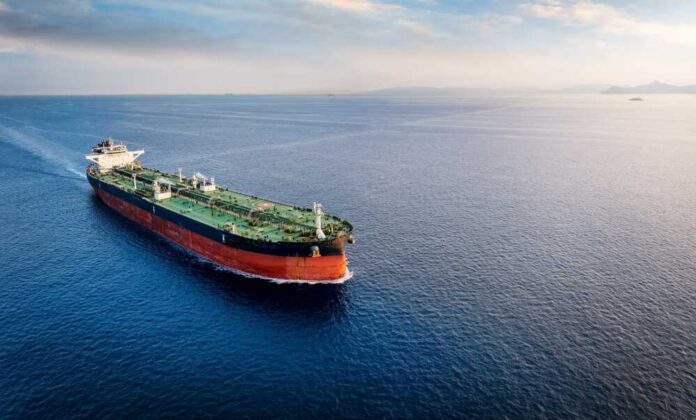
On Tuesday, that same Treasury license was abruptly revoked after three commercial vessels, including a Qatari liquefied natural gas tanker and a Saudi tanker, were hit by projectiles and drones in the Strait of Hormuz.
The administration replaced “General License X” with a narrower “General License X1,” which bars any new Iranian oil sales after the revocation date and only allows a short grace period to wind down existing transactions, with proceeds locked in restricted accounts. In plain terms, Washington gave Iran temporary breathing room, then slammed the door when it judged Iran had broken the deal.
Ceasefire Broken: What U.S. Commanders Say Happened at Sea
U.S. Central Command said Iranian forces, specifically the Islamic Revolutionary Guard Corps, attacked three commercial tankers transiting the Strait of Hormuz, using missiles and drones against ships crewed by civilians.
Central Command described Iran’s aggression as “unwarranted, dangerous and a clear violation of the ceasefire,” and announced a series of “powerful strikes” aimed at imposing heavy costs for targeting commercial shipping. Qatar and Saudi Arabia publicly blamed Iran for hits on their vessels, adding regional weight to Washington’s charge.
American officials framed the response as performance-based enforcement of the ceasefire deal. They stressed that Iran would “only reap benefits if they exhibit good behavior” and that its actions in the Strait were “wholly unacceptable” and would be met with consequences.
This language matters. It ties economic relief, military restraint, and diplomatic progress directly to Iran’s conduct. From a common-sense standpoint, this sounds like basic accountability: you get rewards only if you follow the rules.
Revoking the Waiver: Fast Policy, Murky Proof
The waiver had been set to run through late August, but the administration cut it short on July 7, immediately following the tanker incidents. The Treasury allowed traders until July 17 to complete already authorized deals, but banned any new sales, slamming Iran’s main legal export back under sanctions.
Oil markets noticed at once. Brent crude jumped around five percent on the day as traders priced in fresh risk around the Strait of Hormuz and Iranian output.
Yet for all the tough talk, the public evidence trail is thin. None of the main reports on the July attacks cite open-source missile fragments, radar tracks, or satellite images that link the weapons directly to Iranian launch points. U.S. and allied officials are clearly relying on classified intelligence and operational reporting.
That pattern matches earlier Gulf incidents where Washington blamed Iran but kept detailed proof under wraps for security reasons. For skeptics, especially abroad, this gap feeds doubts about whether the strikes and sanctions shift rest more on politics than on ironclad proof.
Iran’s Denial and the Battle Over the Strait
Iranian officials and state media categorically reject Washington’s story. They claim hostile actors trying to wreck Iran’s foreign relations carried out the tanker attacks, and argue one tanker was hit after using a U.S.-backed shipping corridor that ignored Iranian warnings.
Tehran asserts control over the Strait of Hormuz and portrays U.S. strikes as aggression against its sovereign rights rather than defense of an international waterway.
US reinstates sanctions on Iranian oil sales after LNG, oil tanker attacks
WASHINGTON, July 7 (Reuters) – The United States on Tuesday re-imposed sanctions on Iranian oil, as a U.S. official warned that Iran's attacks on vessels in the Strait of Hormuz were "wholly… pic.twitter.com/7yixo2bstE
— Divine Oreoluwa (@Divine_Oreoluwa) July 8, 2026
So far, Iran has not publicly engaged with specific U.S. intelligence claims from past similar episodes, such as surveillance video or detailed forensic analysis tying weapons back to Iranian manufacturing. Nor has it produced its own radar data, satellite images, or independent forensic reports to support its claim that someone else carried out the latest attacks.
That is a weak response. If you truly did not do it, you bring receipts: data, fragments, and clear timelines that point to another culprit.
Power, Markets, and the Risk of Overreach
The revocation of Iran’s oil waiver shows how quickly Washington can turn economic concessions into leverage when it believes a partner violates a deal. It also shows the risk of acting faster than the public evidence can catch up.
Global markets now link volatility not just to Iranian behavior, but to what analysts call a “lack of clear U.S. strategy,” as traders struggle to guess the next move. Every sudden sanction flip or strike cycle adds more uncertainty premiums to energy prices that hit family budgets worldwide.
At the same time, many U.S. allies have a long record of backing American assessments about Iranian attacks on shipping, even when detailed proof stays classified. That history tilts the credibility scale toward Washington for now. But the more the United States leans on executive action without clearly laid-out evidence or Congressional backing, the more it invites charges of overreach.
If Iran is guilty, releasing at least some declassified intelligence, or supporting truly independent investigations, would strengthen the case and reduce room for propaganda. That is the kind of clear, transparent pressure that aligns with rule-of-law values and basic fairness.
Sources:
cnbc.com, thehill.com, bloomberg.com, en.wikipedia.org, wsj.com, instagram.com, facebook.com, nytimes.com, ofac.treasury.gov, youtube.com, cbsnews.com