
The fight over one narrow sea lane has now turned cargo ships into combat fronts and ceasefires into fragile myths.
Story Snapshot
- The United States struck Iranian targets after drone and boat attacks on commercial ships near the Strait of Hormuz.
- Iran answered by firing on ships and countries across the Middle East, claiming it was enforcing its rights and striking back.
- Both sides say the other broke a ceasefire and an interim deal, while ship traffic through the strait drops and the global economy shudders.
- The real battle is not only missiles and drones, but also who controls the rules and revenue of the world’s key oil chokepoint.
How a ceasefire on paper became a shooting war on the water
U.S. officials say this crisis did not start with a surprise strike, but with a pattern. They point to Iran’s drone hit on the cargo ship Ever Lovely on June 25, which Central Command called “unwarranted aggression” that broke a newly agreed ceasefire.
That strike set the tone: Iran was willing to test limits, and Washington decided it had to answer with force to restore deterrence and protect shipping lanes many Americans see as central to world trade and to U.S. power.
US and Iranian forces exchanged heavy missile and drone assaults, with Tehran targeting US facilities in states across the Gulf and saying it had again closed the vital Strait of Hormuz, sending oil prices higher https://t.co/VDrfSYhSGd
— Reuters (@Reuters) July 13, 2026
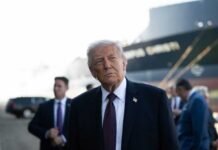
President Donald Trump tied the ship attacks directly to the ceasefire terms. He branded the drone strike a “foolish violation,” then ordered U.S. forces to hit Iranian missile, drone, and coastal radar sites tied to those operations.
Blockade, small boats, and the race to control the strait
Trump did more than order single-night strikes; he moved to reshape the rules of the strait itself. He announced the United States was “reinstating” a blockade on Iran in the Strait of Hormuz and suggested charging foreign ships for safe passage, a dramatic break from long-standing U.S. support for free navigation.
Central Command then went after the hardware that lets Iran menace shipping, including more than sixty small boats tied to the Islamic Revolutionary Guard Corps, fast craft used for mines, drones, and close harassment of tankers.
These hits were not random attacks; they were targeted at systems used to interfere with trade. Central Command said the goal was to degrade Iran’s ability to disrupt traffic and to impose “heavy costs” on any force that targets ships crewed by civilians in an international waterway.
From a common-sense view, that matches a simple idea: you cannot let a regional power turn a global chokepoint into its private toll road or battlefield, especially when it uses asymmetric tools like drone swarms and explosive boats instead of open, accountable naval engagement.
Iran’s counter-story: enforcement, reprisal, and expanded retaliation
Tehran rejects this framing and claims it is enforcing rightful control and striking back. Iranian leaders argue that the United States violated an interim peace deal and a memorandum of understanding by sending ships along a southern route near Oman that Iran considers outside agreed lanes.
They say some of the fired-on vessels were warned and ignored orders, and that their actions were retaliation for a U.S. blockade of Iranian ports and earlier American strikes on Iranian ships.
That narrative aims at global doubt: if both sides are trading blows and both claim reprisal, outsiders may see only another “exchange of fire” instead of a clear aggressor. Iran then widened the battlefield, targeting countries across the Middle East after U.S. strikes on its coast.
Missiles and drones flew toward places like Bahrain and Jordan, sometimes intercepted, but still raising the cost for U.S. partners. This escalation lets Tehran signal that pressure on its shipping or ports will not stay contained and that regional states will pay if they back Washington.
Economy, traffic collapse, and the hidden toll on everyday life
While leaders argue over ceasefire language, the most brutal verdict shows up in ship movements and markets. Traffic through the Strait of Hormuz plunged from dozens of daily transits to a handful as new strikes rolled out and risk warnings climbed.
Naval coalitions raised threat levels for tankers to “severe,” bluntly saying Iran’s attacks make the route dangerous. That drop matters far beyond the Gulf; oil buyers, insurers, and consumers everywhere feel the shock when one narrow waterway turns unstable.
🇺🇲🇮🇷Ex-CENTCOM Chief Urges US to Seize Iran's Kharg Island – Key to 90% of Its Oil Exports
Retired Gen. Frank McKenzie, former head of US Central Command, said on CBS's Face the Nation that the United States should consider seizing Iran's Kharg Island.
The small island handles… pic.twitter.com/YqhC6qqavH
— Global Surveillance (@Globalsurv) July 14, 2026
Americans tend to see a hard line as necessary here: allow Iran to weaponize the strait, and you invite higher energy prices, empower hostile regimes, and punish law-abiding shippers. But even a forceful response has a price.
Blockades and repeated strikes can look like collective punishment to some allies and can feed complaints that Washington is too quick to use military tools instead of clear, enforceable red lines backed by international partners. The challenge is to hit back at clear aggression without turning a vital artery of world commerce into a permanent war zone.
Sources:
apnews.com, bbc.com, nytimes.com, thehill.com, youtube.com, washingtonpost.com, npr.org, aljazeera.com, en.wikipedia.org, x.com, cnbc.com, cfr.org, maritime.dot.gov