

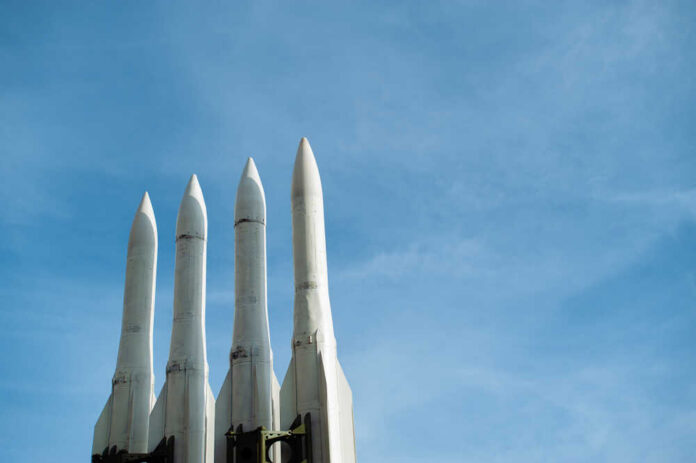
President Trump has tied any Iranian move to kill him to a massive U.S. missile response that could level large parts of Iran’s regime infrastructure and economy.
Story Snapshot
- Trump says 1,000 U.S. missiles are “locked and loaded” on Iran if Tehran tries to assassinate him.
- The Treasury Department just sanctioned alleged Iranian oil and finance operatives linked to the Guard Corps.
- Iran’s leaders publicly deny any plot, but U.S. and Israeli intelligence warnings paint a darker picture.
- Trump’s hard line raises big questions about deterrence, war risks, and America’s duty to protect its president.
Trump’s 1,000‑Missile Warning and the Assassination Threat
President Donald Trump has made his clearest threat yet against Iran, tying America’s military power directly to his personal safety. In a Truth Social post, he said 1,000 missiles are “locked and loaded” and aimed at the Islamic Republic of Iran if the regime tries to assassinate him.
This warning followed reported chants about killing Trump during funeral events in Iran and years of Tehran revenge talk over the U.S. strike that killed Qasem Soleimani. For many conservatives, the message is simple: you target our president, you pay a crushing price.
Reports say Trump has gone beyond words and given standing orders to the military for a year-long campaign to “decimate and destroy all areas of Iran” if such a plot is carried out. Earlier, he spoke in similar terms about “obliterating” Iran, promising “there won’t be anything left” if he is killed by Iranian agents.
These threats sit inside a broader pattern of Trump using clear, tough language to deter hostile regimes, instead of the vague talk and “strategic patience” that many on the right blame for years of weakness and endless wars.
Trump threatens to 'decimate' Iran if it tries to kill him, as Treasury sanctions alleged Iranian financier https://t.co/gsTgxJ8bIX
— CNBC (@CNBC) July 11, 2026
Treasury Sanctions and Iran’s Oil Money Network
On the economic front, the Department of the Treasury’s Office of Foreign Assets Control announced new sanctions on twelve individuals and entities linked to the Islamic Revolutionary Guard Corps’ oil sales network.
These targets are accused of helping the Guard Corps move Iranian crude to China and route payments through front companies. Trump has revived a “maximum pressure” style push on Iran’s economy, using sanctions to drive oil exports down and starve the regime of cash used for terror, missiles, and plots on foreign leaders.
Trump also signed an executive order framework that lets the United States slap tariffs on any country that buys goods or services from Iran, arguing this protects American national security and the economy. This system means foreign governments face a choice: do business with a terror‑sponsoring regime or keep access to the U.S. market.
For readers who worry about globalism and weak borders, this shows a different use of economic power—pressuring foreign elites instead of American workers and families.
Iran’s Denials, Intelligence Warnings, and Deterrence Stakes
Iran’s foreign minister has publicly denied any plot to assassinate Trump, calling for “confidence‑building” with the United States and framing recent U.S. moves as unfair sanctions tied to oil policy, not real security threats. Tehran also rejected earlier claims about its role in the 2024 assassination attempt in Pennsylvania, dismissing the charges as baseless.
So far, however, Iran has not fully addressed reported threats from figures close to its leadership or the crowds that chanted about killing Trump during key events, leaving gaps in its story.
By contrast, Israel has shared intelligence with Washington that Iran hatched a fresh plan to assassinate Trump, and major outlets report U.S. officials are treating the warnings seriously. Federal Bureau of Investigation (FBI) records released in recent years showed Iran‑backed actors tried to kill Trump, Joe Biden, Nikki Haley, and other U.S. politicians in revenge for the Soleimani strike.
The FBI itself describes the “Iran threat” as a major focus, citing Iranian intelligence and military operations against American citizens and security. For many Americans, especially those who remember 9/11 and years of terror attacks, these facts make Trump’s harsh deterrent language look less extreme and more like common sense.
Civilian Risk, Constitutional Duty, and What Comes Next
Human‑rights groups are alarmed by Trump’s talk of “obliteration” and destroying civilian infrastructure, warning that direct attacks on bridges and power plants could cause large‑scale civilian harm.
Amnesty International pointed to Trump statements about ending “a whole civilization” and bombing Iran “back to the Stone Age” if Tehran does not change course, and urged global action to prevent atrocity crimes.
These concerns highlight a serious tension that conservatives must weigh: stopping foreign plots against our leaders without crossing moral lines or feeding endless war.
US President Donald Trump threatened to “completely destroy and eliminate” Iran if Tehran attempts to assassinate him. Simultaneously, the US Treasury Department announced sanctions against an individual alleged to be an Iranian financial manipulator.… pic.twitter.com/teZfr6xfJj
— Yulia (@YuliaXAUUSD) July 13, 2026
For Trump’s supporters, the core issue is constitutional duty and basic justice. The president is the elected head of state, chosen by the people, and foreign regimes do not get a veto at the barrel of a gun. If Iran or its proxies try to murder the American president, many believe the United States must respond so strongly that no regime ever considers such a move again.
At the same time, Trump’s own statements show he still says he wants Iran to be “a great and successful country”—just not one with nuclear weapons or a license to kill Americans abroad.
The coming months will test whether hard deterrence and tough sanctions can hold Iran in check without dragging America into a wider, open‑ended war that puts our troops, our economy, and our values at risk.
Sources:
timesofindia.indiatimes.com, nypost.com, newscord.org, scmp.com, iranintl.com, youtube.com, thehill.com, cnn.com, cfr.org