
A single contaminated lot of dog treats can turn an everyday snack into a Salmonella risk for your family—without warning and without any obvious sign on the bag.
Quick Take
- The FDA announced a recall of Elite Treats Chicken Chips for Dogs tied to potential Salmonella contamination found through third-party testing.
- The recall is limited to one lot (24045) in 6-ounce bags with an April 2027 expiration date, distributed in five Southeastern states.
- No illnesses have been reported so far, but the FDA warns that the bigger danger can be human exposure through handling and household surfaces.
- Consumers are urged to dispose of the treats safely and sanitize bowls, storage containers, and hands to stop the spread.
What the FDA recall covers—and why it matters to households
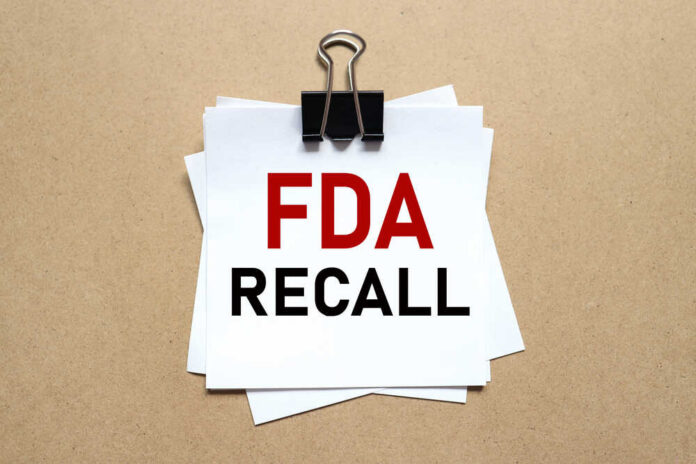
The Food and Drug Administration announced a recall of Elite Treats Chicken Chips for Dogs after potential Salmonella contamination was identified through third-party laboratory testing.
The recall is narrow but important: a single lot of 6-ounce bags, lot number 24045, with an April 2027 expiration date. Distribution was reported across Alabama, Florida, Georgia, North Carolina, and South Carolina. Officials say no illnesses have been reported, but the absence of reports does not eliminate risk.
Consumers who bought the product are being told to stop using it immediately and keep it away from pets, children, and even wildlife. The FDA’s messaging focuses on practical prevention: don’t treat this like a routine return.
Salmonella can spread in ordinary ways—hands, floors, counters, dog bowls, and storage bins—meaning one contaminated bag can expose a whole household if cleanup is sloppy or rushed.
Dog treats recalled over fears of salmonella contamination, FDA says https://t.co/KvZNBYPEJ4
— FOX Business (@FoxBusiness) February 25, 2026
How contamination was found and why the recall is so specific
Reports indicate the contamination was discovered when a third-party lab detected Salmonella in a related lot that had not been released commercially. That finding triggered action on the corresponding lot that did go out to stores.
This is one of the more encouraging details: the issue surfaced through testing, not because a wave of sick pets forced the problem into the open. At the same time, sources do not identify the specific lab or explain how contamination occurred.
Elite Treats, LLC is based in Boca Raton, Florida, and the affected product moved through Florida Hardware, LLC before reaching feed stores in the region. That kind of distribution chain is common in pet products, but it also means traceability matters. When the public hears “recall,” people often assume every bag is affected. In this case, the recall is limited to one lot, so the key is matching the lot number and expiration date.
The health risk isn’t just pets—Salmonella can hit people first
Salmonella infections in dogs are described as uncommon and more likely to become symptomatic when a dog’s immune system is compromised. The human risk is often the overlooked piece, because people handle treats, touch the dog, and then touch a kitchen surface or a child’s toy. Federal guidance warns that pets can carry Salmonella and spread it through feces or saliva, even when they look perfectly healthy.
For humans, the range of potential symptoms is broader than many people realize, starting with nausea, vomiting, diarrhea, and abdominal cramping.
The FDA also warns that severe cases can lead to complications that go beyond a “stomach bug,” including arterial infections and other serious outcomes, with heightened concern for young children, the elderly, and immunocompromised individuals. For many conservative families, that reality reinforces a basic principle: household safety depends more on personal vigilance than on bureaucratic assurances.
What consumers should do now: dispose, sanitize, and monitor
The FDA’s instructions are straightforward and should be taken literally. Consumers should dispose of the recalled treats in a way that prevents access by children, pets, and wildlife. Households should then wash and sanitize pet bowls, scoops, food containers, and any surfaces that may have touched the treats.
The most practical step is also the simplest: wash hands thoroughly after handling the product or cleaning areas where it was stored or served.
Pet owners should monitor dogs for symptoms commonly associated with Salmonella exposure, including lethargy, fever, vomiting, diarrhea, and decreased appetite, and contact a veterinarian if concerns arise.
Customers seeking refunds or product guidance were directed to contact Elite Treats using the phone number and email address published in recall coverage. As of the most recent reports, there were still no confirmed illnesses linked to the recalled lot, which is good news—but only if consumers act quickly.
Zooming out, this recall fits an ongoing pattern: pet food and treat products periodically test positive for Salmonella, and multiple recalls in the category have occurred in recent coverage.
The sources available here do not provide enough detail to pinpoint what manufacturing step failed, which is a limitation readers should keep in mind. Still, the narrow lot-based recall shows why careful labeling, lot tracking, and responsible testing matter more than slogans or politics when it comes to keeping families safe.
Sources:
Which popular dog treats have been recalled?
Dog treats recalled over fears of salmonella contamination, FDA says
Dog treats recall states possible salmonella contamination, FDA says
Elite Treats recalls Chicken Chips lot over Salmonella
Recalls, Market Withdrawals, & Safety Alerts