
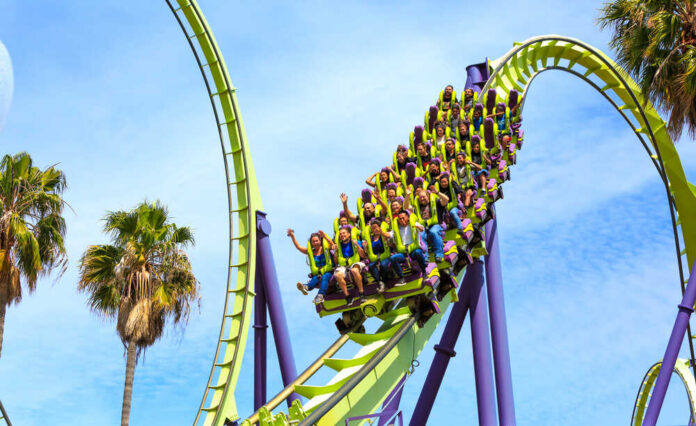
Police confirmed one person died and several were injured after a roller-coaster incident at Six Flags Over Georgia, and the investigation now turns to how a routine thrill ride became a life-or-death moment.
Story Snapshot
- Cobb County Police confirmed a death and multiple injuries at the park.
- Reports place the incident in the afternoon with major crimes investigators on scene.
- Six Flags paused similar coasters across multiple parks after the incident.
- Fixed-site rides are very safe overall, but rare failures carry heavy costs.
What Happened And What Authorities Confirmed
Cobb County Police said a person died and several others were hurt during a roller-coaster incident at Six Flags Over Georgia in Mableton. Police described an active investigation led by its Major Crimes Unit and placed the first reports shortly before 4 p.m. Witness accounts in multiple outlets described a fall from the ride, but police have not released the exact cause of the death or the total number of injured people yet. NBC reported the death and the ongoing inquiry near Atlanta.
Six Flags said it was cooperating with authorities and expressed condolences, according to news reports that cited a park statement. Operations paused on the involved attraction while teams helped riders off the structure, as witnesses described an evacuation from a stalled train on an incline. The park did not detail a mechanical failure, rider behavior, or restraint issues. That restraint is proper until named investigators release verified findings, which should include ride data, staff logs, and training records.
Immediate Safety Ripples Across The Chain
Six Flags temporarily closed nine similar roller coasters across six parks after the Georgia incident. Corporate leaders often choose a wide safety pause when the ride model or restraint type could share a common risk. That pause protects guests and preserves evidence while engineers run checks and operators retrain teams on procedures. CNN reported the nationwide closures as a direct response to the Georgia death and injuries while emphasizing that the cause remained under review.
Prudent companies do not wait for blame to be assigned when the pattern could be systemic. They lock down parts inventories, pull maintenance histories, and inspect lap bars, belts, sensors, and control logic. If a single wear issue appears across multiple units, they catch it early. If the issue proves isolated, they still gain a clear audit trail. That discipline matches the duty of care families expect when they hand over time, money, and trust to a park.
How Often Do Serious Ride Incidents Happen?
Fixed-site amusement rides post strong safety records across North America in typical years. The International Association of Amusement Parks and Attractions reports hundreds of millions of guests and more than a billion total rides each year, with a very low risk of serious injury per ride. That number does not soften the loss for families here, but it helps frame why a single fatality triggers broad checks. Low frequency demands high rigor when it does occur.
Statistical safety does not make headline tragedies less real. It reminds leaders to respect two truths at once. Millions ride safely every summer. Rare failures break people’s lives. Common sense says both can be true, and policy should reflect that. Keep parks open and fun, but keep investigations tough, transparent, and fast. That balance lines up with local control, practical standards, and accountability that does not punish the many for the fault of the few.
What Investigators Will Likely Examine Next
Police and technical inspectors will review restraint design, ride speed profiles, track and train wear, and the operator’s response. They will pull security video and the ride’s event logs, interview staff and guests, and look for any noncompliance with posted rules. They will test seat sensors, check for obstruction on the track, and verify whether crew followed lockout, loading, and dispatch steps word for word. Clear findings should drive targeted fixes, not vague fear.
Incident on Six Flags Over Georgia roller coaster leaves 1 dead, several injured, police say https://t.co/B9rbESHR0K
— CBS Mornings (@CBSMornings) October 13, 2026
Parks that learn fast share more than sorrow; they share data. Families deserve crisp updates: what failed, what was fixed, and what changed before reopening. That is the path to keep fun affordable and safe without inviting knee-jerk bans. Responsible operators embrace that sunlight. Responsible media reports the facts without hype. Responsible guests follow height rules, keep restraints closed, and understand that safety is a team sport between rider and ride.
Sources:
cbsnews.com, nbcdfw.com, wtae.com, cnn.com, iaapa.org