

A single quiet afternoon in an affluent Los Angeles neighborhood ended the life of a seven-year NBA veteran—and reopened an uncomfortable debate about “legal” pain fixes, locker-room reality, and what pro sports still won’t say out loud.
Story Snapshot
- Memphis Grizzlies forward Brandon Clarke died May 11, 2026, at age 29 at a home in Woodland Hills, Los Angeles.
- Authorities described the death as non-suspicious while investigating a possible overdose; reports cited narcotics and paraphernalia at the scene.
- Clarke’s death followed an April 1 arrest in Arkansas involving kratom and traffic-related charges, with a court date that was approaching.
- The Grizzlies, Clarke’s agency, and the NBA confirmed his death May 12, initially without details on cause.
Woodland Hills, a Welfare Check, and the Detail Everyone Waited For
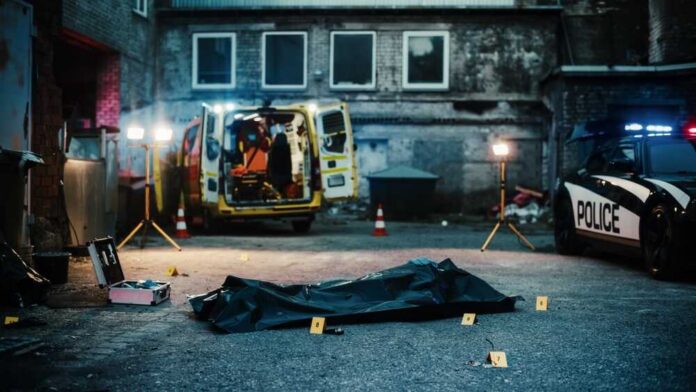
Los Angeles firefighters responded around 5 p.m. on May 11 to a home on Del Camp Place in Woodland Hills, in the San Fernando Valley. Brandon Clarke was pronounced dead at the scene.
Public statements from the Memphis Grizzlies and the NBA confirmed the loss the next day, but left out the question everyone asks first: how. Police sources later pointed to a possible overdose, with no foul play suspected.
That sequence—official grief first, cause later—feels familiar now. Teams often move fast on condolences and slow on specifics, partly out of respect for family, partly because early details can be wrong.
Still, when law enforcement sources mention narcotics and paraphernalia, the story shifts from tragedy to warning label. Fans don’t just mourn a player; they start auditing a system that sells toughness while quietly managing pain.
The Arkansas Arrest and the Kratom Problem Hiding in Plain Sight
Clarke’s final weeks carried a detail that made the news hit harder: an April 1 arrest in Arkansas after a traffic stop. Reports described charges that included speeding and fleeing, along with possession of a Schedule VI substance and trafficking a controlled substance—identified in coverage as kratom.
An arraignment had been set for mid-May. The legal status matters because kratom lives in a gray zone: marketed as herbal relief, treated like a controlled substance in some states.
#BREAKING: Memphis Grizzlies forward Brandon Clarke has died, the team and NBA announced on Tuesday afternoon. He was 29 years old.https://t.co/4ULaSHu4Rw pic.twitter.com/zPEhxsSMbb
— KTLA (@KTLA) May 12, 2026
Kratom’s defenders call it a natural alternative; critics point to opioid-like effects and addiction risk. That argument might sound academic until it intersects with professional sports, where pain is not theoretical.
Players live on anti-inflammatories, injections, sleep aids, and whatever gets them through the next flight, the next practice, the next month.
Who Brandon Clarke Was in Memphis: Reliable, Low-Drama, Productive
Clarke didn’t arrive in the NBA as tabloid fodder. He came from Vancouver to Gonzaga, developed into an efficient, high-motor forward, then entered the league as a 2019 first-round pick.
He spent his entire NBA career with Memphis, the kind of continuity fans still value because it signals character and buy-in. On the court, he provided energy minutes, defense, and steady production—never the face of the franchise, but often the glue.
That “glue guy” label can be a trap. Stars get security, specialized care, and constant attention; role players fight for minutes and play through more. When a team builds an identity around grit, the unspoken message becomes: don’t complain, just function.
That culture can produce winning basketball, but it can also push medical and personal problems into private corners. Clarke’s death is a grim reminder that low-drama public images don’t guarantee low-risk private lives.
The NBA’s Public Silence Versus the Reality of Player Welfare
The NBA and its teams operate sophisticated wellness programs, and the players’ union has made mental health and counseling more visible than it was a decade ago.
Yet the league still struggles with the space between policy and lived experience. Drug testing targets certain substances; pain management often drifts into whatever isn’t tested or isn’t explicitly banned. When a substance sits between supplement shelves and controlled-substance lists, policy can lag behind street reality.
Clarke’s case also shows how institutions communicate under pressure. The Grizzlies expressed heartbreak; his agency confirmed the death; the league echoed condolences.
Those statements are human, but they’re also legal documents in tone. They protect privacy, preserve investigations, and limit liability. The public, especially older fans who remember earlier sports scandals, hears that careful language and wonders what else the system avoids confronting until it’s forced.
What Happens Next: Autopsy Facts, Team Grief, and a Harder Conversation
As of the latest report, investigators had not released the final autopsy or toxicology results publicly. That gap matters because it’s where rumor breeds. Responsible adults should resist the temptation to “solve” the case through speculation.
The facts available already carry enough weight: a young athlete died suddenly; officials described it as non-suspicious; sources indicated a possible overdose scene; and a recent arrest put substances back into the narrative.
Brandon Clarke of the Memphis Grizzlies dies at age 29 https://t.co/Oi38eMbKbe
— CBS Mornings (@CBSMornings) May 13, 2026
Memphis now faces the practical side of mourning: supporting teammates, addressing fans, and deciding whether to push for broader league attention on substances like kratom.
The bigger question lingers for every fan over 40 who has watched sports turn into a year-round machine: how many more cautionary tales will it take before teams treat off-court health risks with the same seriousness as a sprained ankle?
Sources:
Grizzlies forward Brandon Clarke dies at age 29
Brandon Clarke death latest investigation
Grizzlies’ Brandon Clarke dies at 29