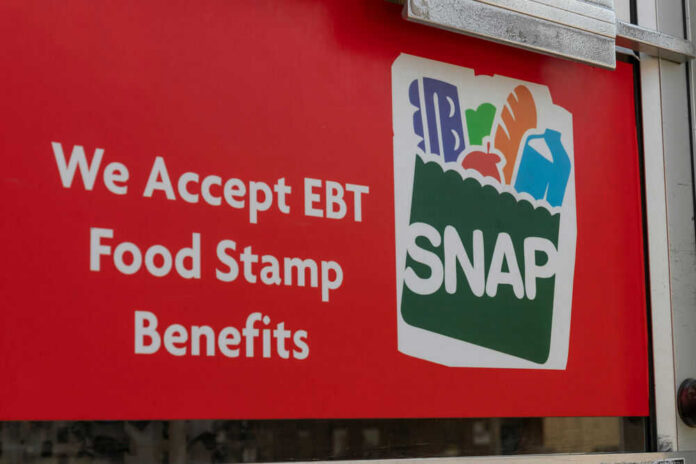
Government overreach hits SNAP recipients as four more states ban soda and candy purchases with food stamps next month, stripping away basic freedoms promised under President Trump’s no-new-taxes, limited-government vision.
Story Snapshot
- Texas, Virginia, Florida, and Colorado activate SNAP restrictions on sugary drinks and candy starting April 2026, joining 18 other states.
- USDA waivers under the Trump-era MAHA agenda drive these “healthy choices” pilots, targeting junk food in the $120 billion program.
- 42 million SNAP users face disrupted shopping, higher costs for alternatives, amid frustrations with endless interventions.
- Retailers scramble to update EBT systems; critics call it paternalistic control, ignoring poverty realities.
April Rollouts Target Junk Food Purchases
Texas and Virginia launch SNAP bans on April 1, prohibiting sweetened drinks and candy. Florida follows on April 20, restricting soda, energy drinks, candy, and prepared desserts. Colorado completes the April wave on April 30 with soft drink exclusions.
These state-specific pilots, approved by the USDA Food and Nutrition Service, expand restrictions already active in 10-plus states since January. Retailers received compliance notices, updating point-of-sale systems for electronic benefit transfer enforcement.
The movement to ban SNAP recipients from buying soda, candy and energy drinks with their benefits is growing.https://t.co/RD3gz0My8q pic.twitter.com/VQhpsrB7CW
— WOWK 13 News (@WOWK13News) March 29, 2026
Trump’s MAHA Agenda Fuels Welfare Reforms
The Make America Healthy Again initiative shapes these waivers, reversing decades of SNAP flexibility that allowed most grocery foods except alcohol and tobacco. Late 2025 USDA approvals accelerated after failed national ban attempts in 2018 and 2024 farm bills.
State agencies like Florida’s Department of Children and Families and Texas Health and Human Services propose restrictions to combat obesity in low-income communities. Governors and legislators initiate requests, with USDA Secretary oversight ensuring pilot alignment with public health goals.
SNAP serves over 42 million Americans, many in rural Southern states now affected. Short-term disruptions include checkout errors and habit changes as recipients shift from affordable soda and candy.
Long-term aims include reduced diabetes rates, but nutritionists warn of unintended gaps if healthy options remain pricier. Economic shifts could redirect $1-2 billion from junk food to produce, impacting beverage and candy sectors while grocery chains adapt inventories.
Stakeholders Clash Over Government Control
USDA holds waiver approval power, empowering states as enforcers through retailer partnerships. SNAP recipients lose purchase choices, fueling anti-hunger group opposition labeling it paternalistic.
Public health advocates back the move via MAHA ties to obesity reduction, while experts debate efficacy—pilots show behavior shifts but ignore poverty barriers to nutrition. Retail analysts predict minimal chaos with proper communication, yet small grocers face sales drops on restricted items.
Political divides sharpen: conservatives advance nutrition-focused welfare, contrasting Democrat emphasis on unrestricted choice. These time-limited pilots, under 7 CFR 271.4, set precedents for federal changes amid fiscal pressures on the program.
As 18 more states eye implementations through 2028, questions rise on balancing health goals with individual liberty in taxpayer-funded aid.
4 more states will add restrictions on SNAP purchases in April https://t.co/5TtBi4Jcsj
— KRQE News 13 (@krqe) March 29, 2026
Sources:
USDA FNS SNAP Waivers for Food Restrictions
Business Insider: What Will Be Banned for SNAP Users in 2026, By State
Economic Times: New SNAP Rules Ban Some Junk Food Purchases in 3 Additional States