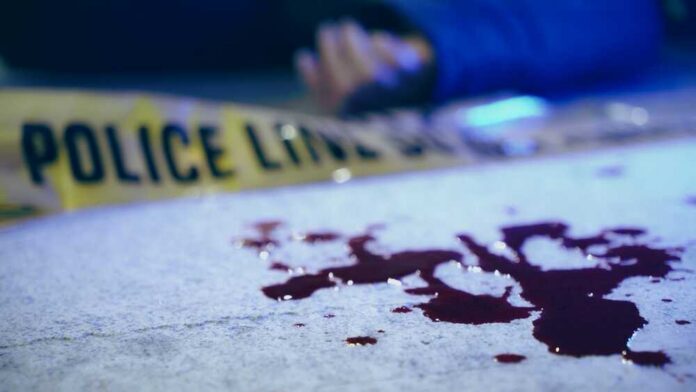
A midday argument on a busy Manhattan platform ended with one shot to the chest and a young man dead.
Story Snapshot
- Police say a dispute on a Midtown platform led to a fatal shooting.
- The victim, 26-year-old Darrel Rodriguez, died after a single chest wound.
- The shooter fled; police described the attack as targeted, not random.
- Detectives are still clarifying where the shot was fired during the clash.
What Police Say Happened On The Platform And Train
New York City Police Department investigators reported that a suspect approached 26-year-old Darrel Rodriguez on the northbound E train platform around 12:21 p.m., shot him once in the chest, and ran off. Reporters from several outlets, citing police and a law-enforcement source, said the men had argued and moved between the platform and a subway car before the gunfire. Police said the shooting was not random and released a description of a suspect in red clothing with a black vest and a face mask.
Officers and medics responded as riders scattered. Rodriguez was taken from the 53rd Street and Seventh Avenue station but did not survive. Police said the suspected shooter escaped on foot and remained at large in the hours after the attack. One reported witness described panic after two loud bangs, which matches the chaos that follows a gunshot underground, even if it does not map every step of the dispute. Detectives continue to gather video, witness accounts, and forensics.
How Reporters Framed The Sequence Of Events
Coverage from national and local outlets tracked a steady story: an argument, a shift between platform and train, a single shot to the chest, and a flight from the scene. The New York Times cited a law-enforcement source who confirmed the argument but said the cause of the dispute was unknown. Police and television reports aligned on the targeted nature of the attack, though investigators were still nailing down whether the gun fired on the platform or inside the train car. That detail shapes how riders think about risk.
Police presence increased on platforms after the killing, which is common after a high-profile crime. These visible patrols reassure some riders and deter some offenders. They also help detectives canvass for tips while the suspect remains unidentified. The suspect’s mask, noted by reporters, can slow identification from surveillance footage. That leaves more weight on clothing, gait, and the brief moments before and after the gunfire.
Why “Targeted” Versus “Random” Matters For Riders
Transit violence gets sorted into two buckets in the public mind: random danger to anyone, or personal beef that happened in public. Police have framed this killing as a targeted attack linked to a dispute. That label matters. It lowers the fear that every rider could be next, and it directs policy toward conflict de-escalation and known-offender tracking. Transit safety research warns, though, that agencies can classify events differently, which clouds comparisons across systems and years.
Midtown subway shooting — Man killed inside 53rd St 7th Ave station — B D E lines — E train pulled up moments before — Two pops eight seconds apart — Witness: gentleman in blazer laying — Bystanders did CPR held hand — Suspect fled red tracksuit — NYPD searching — 7th transit… pic.twitter.com/6LyBUEHxmS
— RandomStuff A2Z (@RandomstuffA2Z) October 17, 2026
Transit crime also tends to be underreported in official data. A major review found that actual incidents can be many times the number reported, based on household surveys in large cities. For New York, academic work tracking complaints and arrests on subways shows assault as the top complaint category in recent years, even with millions of daily rides. The useful takeaway is not panic, but precision: focus on repeat harm spots, conflict points in the system, and smart staffing when crowds surge.
What A Common-Sense Safety Lens Suggests Now
New Yorkers want to ride without fear. They also expect police to be clear and quick. A practical path is simple: flood hot stations at peak times with trained officers, fix dead cameras, and keep platforms clear so arguments don’t bottleneck into violence. Police and prosecutors should be transparent about what they know and when they know it, while still protecting an active case. That balance supports trust and keeps attention on the suspect who pulled the trigger.
Sources:
nbcnews.com, nytimes.com, nbcnewyork.com, abc7ny.com, ny1.com, popcenter.asu.edu, ufv.ca, academiccommons.columbia.edu