
One suspect jalapeño has now turned into a nationwide test of how fast big chains really move when food safety is on the line.
Story Snapshot
- Chipotle pulled certain jalapeños after they were flagged in a salmonella outbreak investigation in Minnesota.
- Health officials say at least 110 people are sick, and most of those interviewed ate at Chipotle.
- The chain used its traceability system to swap peppers from the suspect supplier for new growers.
- This is a textbook example of how companies and public health investigators try to contain outbreaks before every detail is known.
Chipotle’s fast move as jalapeños come under the microscope
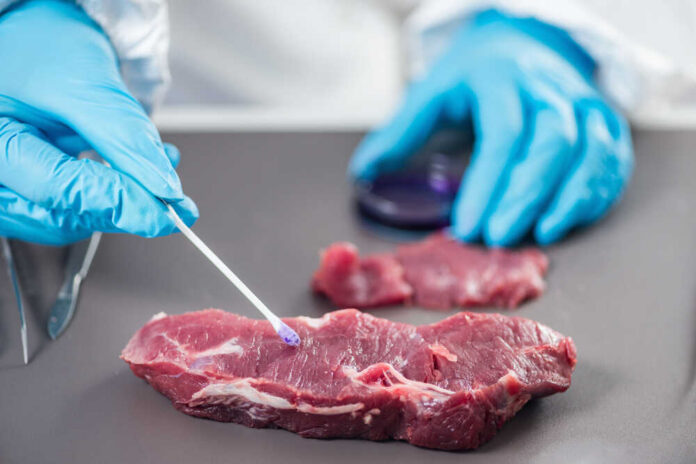
Chipotle Mexican Grill said it removed jalapeños from its restaurants after the peppers were identified as a possible link in a salmonella outbreak centered in Minnesota. The company traced ingredients back through its supply chain and flagged jalapeños from one common lot as a potential problem.
Chipotle then pulled that product from all restaurants that received it and replaced the peppers with jalapeños from different growers, calling the move an “abundance of caution.”
This was not a small, quiet change in one city. National outlets reported that Chipotle extended the jalapeño removal beyond Minnesota to other restaurants that had received the same shipment.
Corporate leaders highlighted their “robust ingredient traceability system,” arguing that it allowed them to act quickly once jalapeños emerged as the shared ingredient in many of the cases under review.
For a chain whose menu leans heavily on fresh salsa, peppers, and guacamole, swapping out a core ingredient is not a cosmetic move; it is a signal that the risk looked real enough to take short-term pain.
What health officials are saying about the salmonella cases
The Minnesota Department of Health reported at least 110 confirmed cases of salmonella javiana tied to this outbreak. Of 84 patients who were interviewed, 89 percent said they had eaten at Chipotle between mid-June and mid-July.
The remaining sick people reported eating at other Mexican-style restaurants, which lines up with officials’ view that jalapeños served in several places may be the common thread, not one company alone.
State epidemiologists described jalapeños as the “suspected vehicle” for the bacteria based on interviews and purchase records. The United States Food and Drug Administration said it is looking at “multiple ingredients” tied to the outbreak, not just peppers. That detail matters.
It shows how public health teams work: they flag likely sources early so people can avoid them, but they hesitate to declare one single cause until lab tests, genetic sequencing, and supplier records all line up. So far, jalapeños are at the top of that suspect list.
How Chipotle’s response fits the bigger food safety playbook
Chipotle’s statement stresses cooperation with public health authorities and frames the jalapeño removal as proactive risk control. That approach matches a broader pattern in modern outbreak response.
Big chains now face strong pressure from customers, regulators, and shareholders to show they can identify a suspect ingredient fast and cut it out of the system before every detail is confirmed. When they act early, they can reduce illnesses, limit lawsuits, and prove they learned from past crises.
Public health agencies, by contrast, are careful not to jump too far ahead of the data. Officials in Minnesota and at the federal level have stuck to language like “suspected vehicle” and “possible link,” even as they confirm the number of cases and share how many patients ate at Chipotle.
That restraint protects the integrity of the investigation. If they named the wrong item or supplier too soon, they could mislead families, farmers, and restaurants across the country. The balance here is clear: businesses move to show control, while investigators move to protect truth.
What this means for everyday diners and for Chipotle’s future
For people grabbing a burrito on a weekday, the headline is simple: certain jalapeños tied to this outbreak are off the line, and replacement peppers from other growers are in place. That is exactly the kind of decisive step customers expect after years of hearing about foodborne illness at fast-casual chains.
When 9 out of 10 interviewed patients say they ate at one brand, many Americans see that as enough reason to demand visible action, even while the lab work continues.
For Chipotle, the stakes go beyond one batch of peppers. Its entire brand rests on the promise of fresh ingredients handled safely. The company is leaning on traceability systems, public cooperation, and quick product swaps to show it can contain problems when they arise.
Diners will now watch closely to see if those steps were enough to keep jalapeños as a trusted staple instead of a lingering question mark on the menu.
Sources:
apnews.com, kfgo.com, 6abc.com, bloomberg.com, reuters.com