

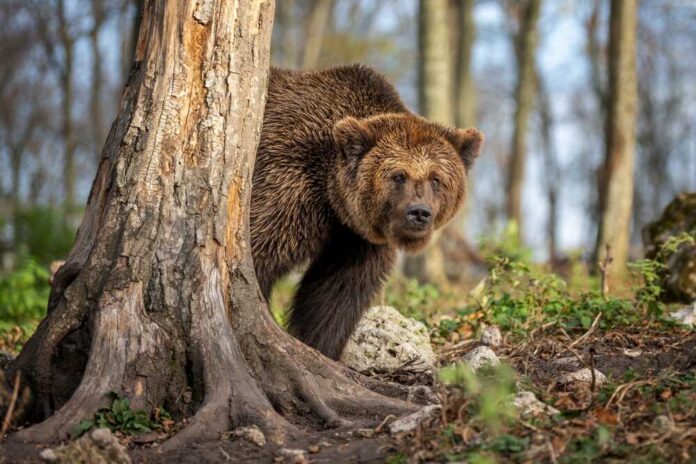
A lone runner on Anchorage’s Wolverine Bowl trail stopped a charging brown bear with spray, then walked herself out injured.
At a Glance
- Alaska Fish and Game says a woman was injured by a brown bear on Aug. 13 near Prospect Heights.
- She used bear spray, then self-rescued to the trailhead and was taken to a hospital.
- Officials posted safety notices and opened a standard wildlife investigation.
- Research shows bear spray often stops aggressive bears when used fast and at close range.
What Happened On The Trail
Alaska Department of Fish and Game reported that an adult woman, running alone on the Wolverine Bowl trail above Anchorage, encountered a brown bear on August 13.
The bear injured her. She deployed bear spray during the encounter and then returned to the Prospect Heights trailhead. First responders transported her to a local hospital.
Alaska Department of Fish and Game biologists began their follow-up investigation, which is routine for such events, and land managers posted alerts at nearby trailheads.
The department did not release her name. Officials described the area, the sequence, and the response in a public notice. The bear left the scene, and crews did not report finding it at the time of the release.
The agency’s message matched the playbook that seasoned Alaskans know: carry spray, travel in groups when you can, and be ready to act in seconds. That advice reads dry on paper, until a runner needs it mid-stride.
Alaska runner hospitalized after using bear spray to fight off brown bear on trail https://t.co/pR0dfvx9Gn pic.twitter.com/cc6xIDJrLE
— New York Post (@nypost) August 16, 2026
Why Bear Spray Ended The Charge
Bear spray works for a simple reason. The aerosol creates a hot cloud that overwhelms a bear’s eyes, nose, and lungs long enough to stop the rush. That buying of time is everything.
Researchers who review real incidents found spray stopped aggressive behavior in a large share of cases, far more often than many expect. One cross-border analysis reported a 92 percent success rate in halting aggressive bears, which is why many agencies recommend it as the first defense.
Spray is not a magic shield. Wind, distance, canister size, and user delay all change outcomes. Alaska field guidance stresses practice and fast draw, not bravado.
The point is control and de-escalation, not combat. Firearms can save lives too, but they demand aim, nerve, and time that most surprise encounters do not grant. That is why many trainers tell hikers to carry spray on the chest strap and keep hands free.
The Pattern In Alaska’s Backcountry
Anchorage sits beside wild country. Trails shift in minutes from city views to bear habitat. Encounters are still rare, given the number of user days, but they do happen.
Public guidance in Alaska repeats two linked truths. First, most hikes pass without issue. Second, when bears close fast, spray often improves the outcome. That balance explains why agencies keep both posting warnings and urging calm preparation rather than fear.
🔴 Woman repels bear attack on Alaska trail with spray; injured, hospitalized
A brown bear attacked a runner alone on the Wolverine Bowl Trail near Prospect Heights in Anchorage on Thursday. The woman deployed bear spray and escaped to the trailhead on her own, then was… pic.twitter.com/dwkEMOJfdw
— NewsTongue (@NewsTongueX) August 17, 2026
The Interagency Grizzly Bear Committee states that no single deterrent works every time, but spray has shown the best overall record for stopping threatening and attacking bears while preventing injuries to people and animals. That is practical, humane, and cost-effective backcountry policy.
How To Hike Smarter Tomorrow
Small choices stack the odds in your favor. Hike with a partner and keep kids close. Talk, clap, or sing on blind corners and in thick brush. Keep dogs leashed; loose dogs often run a bear back to you.
Mount bear spray on your chest or belt where you can draw it in one second. Know the safety tab, aim low to high, and sweep until the can stops. Leave earbuds out. If you see a bear, speak calm, back away, and make space.
The Takeaway From Prospect Heights
This runner met a worst-case moment and used the right skill at the right time. She sprayed, she moved, and she lived to tell the story. Alaska Department of Fish and Game’s report aligns with years of field data: carry spray and keep your head.
That message does not glorify risk. It honors personal duty. When the wild reminds us it is still wild, preparation beats panic, and simple tools in trained hands beat luck every time.
Sources:
cbsnews.com, ground.news, x.com