
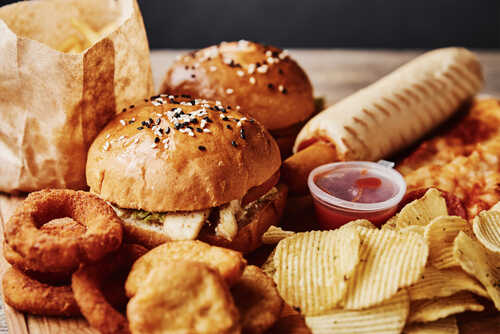
Steak ’n Shake just gambled its entire burger identity on grass-fed cattle and beef tallow, and the real story is less about taste than about who gets to redefine “healthy” fast food in America.
Story Snapshot
- Steak ’n Shake says all its burgers are now 100% grass-fed, grass-finished, pasture-raised beef nationwide[1][2]
- The chain simultaneously ditched seed oils for beef tallow in fries and other fried items[3]
- Supporters hail the move as a win for health, flavor, and traditional-American food values[1]
- Independent proof of “healthiest kind of beef” and sustainability claims is still thin[1]
A legacy diner chain tries to reinvent the fast-food burger
Steak ’n Shake, a Midwestern burger-and-shake institution founded in the 1930s, is not the brand most people expected to launch a nutritional culture war.
Yet the company has now announced that, starting June 1, every burger in every restaurant will use beef from pasture-raised, 100 percent grass-fed and grass-finished cattle [1][2].
That is not a limited-time test in one zip code; it is a full-menu, chainwide declaration of what a “better burger” should mean[1][2].
Starting today, every Steak ’n Shake hamburger will be made with 100% grass-fed, grass-finished beef from pasture-raised cattle.
We hope other fast-food chains follow suit and make this simple, healthier change. pic.twitter.com/4YqztE75NU
— MAHA Action (@MAHA_Action) June 1, 2026
The announcement leans hard into health and quality language. Steak ’n Shake tells customers its burgers will come “straight from pasture-raised cattle” and describes the new sourcing as “the healthiest kind of beef”[1]. The chain explicitly contrasts grass-fed and grass-finished beef with the grain-finished norm that dominates American feedlots.
From a marketing standpoint, it is staking out a clean line in the sand between its new burgers and the industrial beef many consumers have come to distrust[1][2].
Grass-fed promises: better beef or better branding?
Grass-fed and grass-finished beef from pasture-raised cattle generally carries a reputation for richer flavor, leaner meat, and a slightly different fat profile than grain-finished alternatives. Consumers who already associate “grass-fed” with premium steaks will likely transfer that halo to Steak ’n Shake’s burgers.
That is exactly how labeling power works: the words do as much heavy lifting as the cattle. The open question is whether customers will consistently taste a difference in a smashed patty under cheese, onions, and sauce.
From a health perspective, the corporate rhetoric gets ahead of the record. Steak ’n Shake uses broad language about serving the “healthiest kind of beef,” but there is no published chainwide nutrition analysis comparing old and new burgers, nor is independent lab testing offered to verify meaningful changes in fat composition or additives[1].
Grass-fed cattle and “healthier eating” sound good to any voter who cares about food quality, but sound bites are not science. A thoughtful instinct here is to demand evidence, not just better adjectives.
Beef tallow fries and the revolt against seed oils
The beef switch is only half the story. Steak ’n Shake also now cooks fries, tater tots, onion rings, and chicken tenders in beef tallow instead of seed oils[3]. The company’s own page states that the tallow contains no additives, preservatives, or artificial ingredients [3].
That combination of animal fat and “nothing extra” resonates with a growing segment of Americans who want fewer ultra-processed inputs and who see long, chemical-sounding ingredient lists as a red flag rather than a feature.
Beef tallow was the norm in American frying for decades until fast-food chains shifted to cheaper, supposedly heart-healthier seed oils under pressure from nutrition activists and regulators.
Many of those same seed oils are now under fire from newer research and a public that increasingly equates “traditional fats plus real food” with health.
Steak ’n Shake’s tallow pivot meshes with that sentiment, aligning with a more ancestral, nose-to-tail approach to animal use that older generations recognize and younger ones are rediscovering[3].
Verification gaps and the difference between real change and signaling
The bolder the claim, the more it demands proof. At this stage, the strongest evidence for Steak ’n Shake’s transformation is its own announcement and marketing content, which lay out the grass-fed, grass-finished, pasture-raised story and the tallow commitment[1][2][3].
What the public record does not yet show is independent supply-chain auditing, third-party animal-welfare verification, or life-cycle environmental analysis to confirm every detail behind the counter.
Same. I’ll take some Steak n’ Shake… since they just switched to Grass-Fed and Grass-Finished burgers & use beef tallow for the fries. 😂
— The Highly Seasoned Gamer VR 🎼 (@Jayson_Composer) June 3, 2026
That does not mean the claims are false; it means they are unverified. For consumers who prioritize personal responsibility, the right approach is neither blind trust nor reflexive cynicism. Taste the product, read the available facts, and then decide if the value matches the price.
If Steak ’n Shake really is sourcing high-quality grass-fed beef and rendering clean tallow from carefully selected cattle, the move represents a concrete shift away from ultra-processed shortcuts toward a simpler, more honest fast-food model that deserves cautious optimism until proven otherwise[2].
Sources:
[1] Web – Steak ‘n Shake Bets Big On Grass — America’s First Major Chain To …
[2] Web – Steak ‘n Shake to switch to 100% grass-fed and grass-finished beef
[3] Web – Steak ‘n Shake to switch to 100% grass-fed beef from June 1