

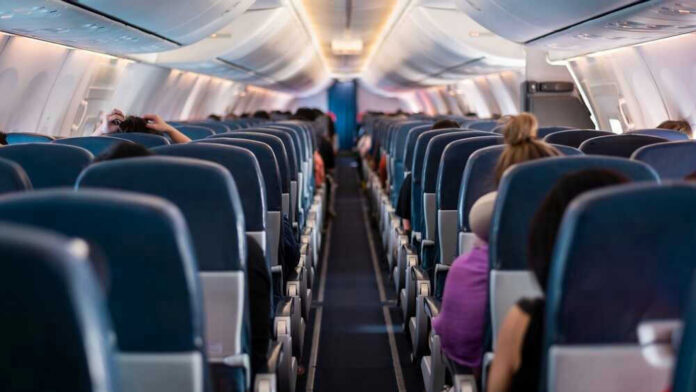
One budget airline just turned the humble overhead locker into a mini tax on modern travel, and it tells us a lot about who really wins in the low-fare game.
Story Snapshot
- Jetstar will start charging most passengers to use overhead lockers for carry-on bags from February 2027.
- Standard tickets will only include one small bag that fits under the seat for free, up to a set size and weight.
- The airline says fees will speed up boarding and reduce stress by ending last-minute bag weighing at the gate.
- Critics see another “gotcha” fee that hits families and older travellers who rely on easy cabin access.
Jetstar turns overhead space into a paid extra
Jetstar, Australia’s budget airline, will start charging passengers to use overhead luggage lockers on its flights from February 2027. The change ends a long-standing practice where every traveller could bring a small cabin suitcase and store it above their seat at no extra cost.
Under the new rules, a standard fare includes only one small bag that must fit under the seat, within tight size limits. Anything larger that needs overhead space becomes a paid option, sold as a “priority carry-on” product on top of the base ticket.
Australian airline Jetstar will charge passengers to use overhead lockers for their bags https://t.co/YgJ4QHpGqq pic.twitter.com/ncSuXXpoA0
— New York Post (@nypost) August 5, 2026
The fee level is not pocket change. Reports show domestic overhead locker access will cost about twenty five Australian dollars one way on many routes, with international flights charged at higher rates that can push past fifty dollars. That is per person, per flight.
A family of four flying a simple return trip could face hundreds of dollars in extra cabin costs if each person brings a small suitcase instead of cramming everything under seats. For a budget brand, that turns what looked like a cheap fare into something very different once bags enter the picture.
What passengers still get for free and what now costs more
Not every bag gets caught by the new fee. Jetstar says every booking will still include one free item that fits under the seat in front of the passenger.
That free bag can be a purse, laptop case, or small backpack, as long as it stays within strict size limits of roughly forty by thirty by twenty centimeters and falls under a set weight cap.
The airline presents this as a more generous under-seat allowance than its older rule, which capped total carry-on weight at seven kilograms across two items and led to frequent scale checks.
Anything bigger now moves into a different world. Cabin suitcases and larger backpacks that need overhead locker room must be paid for in advance or at the airport. Jetstar offers higher carry-on weight bands for these paid bags, but the locker space itself is no longer included in the standard ticket.
Travelers who misjudge their bag size or show up with extra items can also face steep excess charges at the airport, where each added kilogram over a pre-bought allowance draws a separate fee. The full picture is a system that treats cabin space as a meter, and every litre and kilogram is priced.
Jetstar’s case: speed, order, and less stress at the gate
Jetstar argues this is not just about money; it is about sanity at the boarding gate. The airline says the new model will “make packing easier” by giving customers clearer choices and letting them “pay for what they need” instead of worrying about hidden limits.
Company spokespeople link the plan to years of complaints from passengers and crew about the old practice of weighing carry-on bags at the gate, only minutes before boarding. That process often led to arguments, delays, and last-second reshuffling of items between bags.
The airline now presents locker fees as a way to speed up check-in and boarding. Travelers will know before they arrive whether they have paid for overhead space or must stay under-seat. Gate agents will spend less time policing scales and more time getting people onto the plane.
In theory, fewer large bags on board could also reduce the scramble for limited overhead room, where late boarders often find full bins and must move bags or check them. Jetstar points to similar policies at other low-cost carriers worldwide as proof that this model can work smoothly when travelers adapt to it.
Backlash, common sense, and what this says about air travel now
The public reaction has been swift and sharp. Many Australian travelers call the policy “silly, unfair, unnecessary” and see it as one more example of airlines “nickel-and-diming” people with surprise fees. Social media comments target the idea that a basic cabin convenience, used by almost every passenger, should suddenly become a paid extra.
That hits a nerve with older travelers and families who value simple, predictable travel costs over chasing the lowest headline fare and then being ambushed later with add-ons at every stage.
🟠 JETSTAR WILL START SELLING YOU THE OVERHEAD LOCKER FROM 2 FEBRUARY 2027, SO WE PRICED A REAL SYDNEY TO MELBOURNE TRIP TO SEE IF THE CHEAP FARE IS ACTUALLY CHEAP 🟠
Jetstar boss Steph Tully says the change helps "keep our fares low". We booked nothing and priced everything,… pic.twitter.com/aziOOS0nwD
— One News Australia (@OneNewsAu) August 5, 2026
This move exposes the trade-off at the heart of budget flying. Jetstar is honest that it wants people to “pay for what they need,” and that approach does reward light packers who can live out of a small under-seat bag.
But when an everyday item like the overhead locker becomes a small tax, the policy feels less like efficiency and more like shifting normal travel costs into less visible, less honest charges buried behind the main fare.
Responsible companies should win customers by clear pricing, not by carving basic comforts into bite-sized fees that only show up after people are locked in.
Sources:
nypost.com, mothership.sg, jetstar.com, youtube.com, news.com.au, dailymail.com, english.mathrubhumi.com, instagram.com