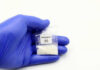


HHS just opened a narrow legal lane for six unapproved peptides to reach patients now—without waiting years for full federal rulemaking.
Story Snapshot
- HHS will not take action, for now, against pharmacies compounding six named peptides.
- Pharmacies must verify identity and purity, and follow prescription-only rules.
- FDA advisors had already recommended these peptides for the 503A Bulks List.
- FDA scientists flagged safety and characterization concerns, urging caution.
What HHS Did, And Why It Matters This Week
The Department of Health and Human Services said it will use “enforcement discretion” so licensed compounding pharmacies can make BPC-157, epitalon, KPV, MOTS-c, semax, and TB-500 while the Food and Drug Administration completes formal rulemaking. That means no federal action against those pharmacies if they meet guardrails like identity and purity checks and dispense only with valid prescriptions. This step does not “approve” the peptides. It pauses enforcement while the government decides how, or if, to list them for routine compounding.
The move lands after the Food and Drug Administration’s Pharmacy Compounding Advisory Committee recommended adding those six peptides to the section 503A Bulks List, which governs what substances traditional pharmacies may use when compounding individualized medicines. Advisory votes do not bind the Food and Drug Administration, but they signal medical and pharmacy demand. HHS’s discretion creates an interim bridge. Patients get access under pharmacy oversight. Regulators keep leverage while they finish the rule. That is a familiar balance in compounding policy during gray zones.
How We Got Here: The Advisory Track And The Safety Debate
The Food and Drug Administration convened its Pharmacy Compounding Advisory Committee on July 23–24, 2026, to evaluate multiple peptides for possible listing under section 503A. Committee materials show staff concerns about BPC-157, including insufficient clinical safety data and potential immune reactions driven by aggregates and impurities. Staff also said KPV’s human safety risks were unknown. Despite those warnings, the committee recommended six peptides for the Bulks List, reflecting a judgment that patient demand and clinician use warranted controlled access through compounding while data gaps close.
The split between advisors and staff maps an old fight: access versus proof. Staff scientists push for clearer chemistry, dosing, and human trial evidence before broad use. Clinicians and compounders argue that traditional pharmacy oversight, prescriptions, and batch testing can manage risk when patients face limited options. HHS’s discretion lands in the middle. It does not issue a safety blessing. It tolerates narrow access with testing and prescription controls while the science and policy mature.
The Guardrails: What This Does And Does Not Allow
Enforcement discretion is a ceiling, not a free-for-all. Pharmacies must confirm the compound’s identity and purity. They must dispense only with a valid prescription for an identified patient. They remain subject to state boards and the Food and Drug Administration’s baseline compounding rules. They cannot market these peptides as approved cures. Any claim of Food and Drug Administration approval would be false. If a pharmacy cuts corners, the shield drops. The agency can still act case by case, as it has in other compounding matters.
HHS will let pharmacies compound six unapproved peptides, for now — this is not an FDA approval
Health and Human Services posted a policy on Wednesday that lets certain pharmacies and doctors compound six peptides the FDA has not approved. The American Academy of Peptide… pic.twitter.com/27JIqfMIAh
— Jeromy Lewis (@ExtensiveGrowth) October 28, 2026
Consumer groups urge a harder brake. The Center for Science in the Public Interest warns that opening access now could invite misleading claims and harm, pointing to reported hospitalizations after BPC-157 use and animal signals for liver toxicity. Those calls rest on a core truth: these peptides are unapproved drugs. Claims of broad safety or proven benefits outpace current human evidence. That said, common sense and conservative values support a middle path: let doctors treat individual patients under pharmacy safeguards, police bad actors, and demand real trials.
What To Watch Next: Timelines, Testing, And Truth In Claims
Rulemaking will decide whether these six peptides—BPC-157, epitalon, KPV, MOTS-c, semax, TB-500—join the permanent 503A Bulks List. Expect months, not days. Watch for Food and Drug Administration clarifications on acceptable specifications that lock down identity and impurity limits. That step would answer a big staff concern about inconsistent chemistry and comparability across suppliers. Also watch state boards. They can tighten controls faster than Washington, especially on labeling and recordkeeping.
Clinicians should stick to basics. Use real prescriptions tied to named patients. Favor lots with verified testing. Document outcomes, side effects, and dosing. Report adverse events. Do not chase internet hype. Patients should ask for certificates of analysis and discuss risks, especially if they have liver, kidney, or immune conditions. Policymakers should insist on sponsor-led trials that match the real doses and routes used in clinics. If the data are good, approval should follow. If not, the temporary lane should close.
Bottom Line: Access With Accountability Beats All Or Nothing
HHS did not declare these peptides safe. It created a supervised on-ramp while the Food and Drug Administration completes the job. The advisory panel’s vote explains the timing; the staff critiques explain the guardrails. The right test now is discipline. If pharmacies honor identity and purity checks, doctors prescribe responsibly, and regulators strike fast at false claims, patients can gain options without turning the market into a circus. That is the kind of limited government that earns trust: allow choice, demand proof, and act when someone crosses the line.