
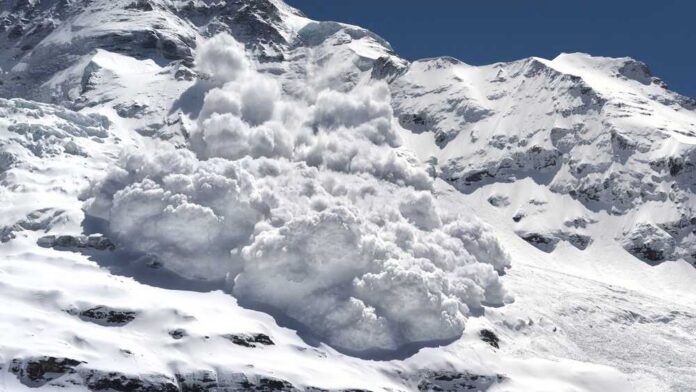
She slid more than a quarter mile down Mount Shasta and lived to tell it.
Story Snapshot
- U.S. Forest Service rangers confirmed a 1,500-foot fall and rescue on Mount Shasta.
- The slide happened in Avalanche Gulch near 10,600 feet, a known hotspot.
- Rescuers reached the scene on foot and by snowmobile, then evacuated the climber.
- Falls on snow and ice drive most Shasta rescues, especially May through September.
A fall that should have ended a life
U.S. Forest Service climbing rangers said a woman tumbled about 1,500 feet on Mount Shasta and survived. The fall happened on the Avalanche Gulch route, the mountain’s most used and most unforgiving corridor.
Rangers put the location near 10,600 feet, where hard snow can turn one slip into a deadly slide. Siskiyou County Sheriff’s search and rescue joined the operation. Crews moved fast over snow to reach, treat, and move the climber to safety.
Rescues like this do not come out of nowhere. Avalanche Gulch produces the bulk of the mountain’s incidents year after year. The 2025 climbing ranger report logged multiple saves in this same gully.
Most calls link back to the same triggers: slips, trips, and falls on frozen surfaces. The pattern peaks in late spring and summer when people chase summit photos and sunrise snow. The timing here fits that curve with near-perfect alignment.
How the rescue worked on the ground
Rangers and deputies built a simple plan that works on Shasta. Reach the patient fast, stabilize, then move down to where aircraft or snow machines can help. A direct helicopter hoist can fail if clouds, wind, or power margins push limits.
Teams on foot and snowmobile closed the gap and handled the carry. That method is standard on this mountain and has saved many who ran out of luck on steep, icy pitches.
Officials did not release the woman’s name, age, or injury list, which tracks with privacy rules. The exact gear she wore stays unconfirmed in public notes. That gap invites armchair guesses. Some online voices claim people fall because they ignore basics like crampon straps or self-arrest drills.
That happens, but facts here remain thin. Without an incident number and full write-up, blame sounds loud and lands light. Common sense says wait for documents before judging the climber.
Why Avalanche Gulch punishes small mistakes
The route lures first-timers with a clear line and big views. It also stacks hazards in layers. Overnight freezes turn the surface into slick concrete. Daytime warmth polishes it further.
One missed step near Red Banks or above Helen Lake can start a slide that doubles in speed in seconds. Self-arrest with an ice axe works only if the move is instant, the snow allows a bite, and the person trained the motion until it became a reflex.
Woman Survives 1,500-Foot Fall On Mt. Shasta | NewsRadio 560 WHYN https://t.co/E7f4dTw9Ka
— NewsRadio 560/98.9 FM WHYN (@WHYN560) July 2, 2026
Media confusion can blur details when many rescues cluster on the same peak. A separate 700-foot fall earlier in the year came with its own timeline, weather block, and overnight wait.
That event proves the point: conditions change fast, calls come late, and aircraft cannot always fly on demand. Mixing facts across cases helps no one. Treat each rescue as a stand-alone story, then compare only after dates and routes match on paper.
What to learn if you plan to climb Shasta
Pick the season with care. Early starts and firm surfaces demand real traction, not hopes. Take an ice axe you know how to use, not one you still plan to learn on.
Lock crampons, test every strap, and practice self-arrest in safe terrain before a summit push. Turn-around times and weather floors are not theories; they are your margin. Rangers and volunteers will come for you, but they should not have to risk it because you skipped basics.
What we still need to know
An official incident report with a case number would close most gaps. It would fix the fall start point, the slide path, the treatment given, and the extraction timeline. It would also reduce doubt about the 1,500-foot figure, which some question without video.
Until then, the most solid facts stand on ranger statements and program reports. Those sources show a consistent story: Avalanche Gulch punishes errors, and trained teams keep pulling people out alive.
Sources:
abcnews.com, shastaavalanche.org, reddit.com, facebook.com, instagram.com