

President Trump just put America’s energy security on the negotiating table—by warning Iran that its key oil lifeline could be wiped out if the regime won’t reopen the Hormuz Strait immediately.
Story Snapshot
- Trump said the U.S. would destroy Iran’s oil wells, Kharg Island facilities, and electric generating plants if no deal is reached “shortly” to end the war and reopen the Hormuz Strait.
- Kharg Island is described as the outlet for roughly 90% of Iran’s crude oil exports, meaning any strike threat there has immediate global energy implications.
- Trump previously said Iran was allowing 10 tankers—and later 20 tankers—to transit Hormuz as a goodwill gesture while talks were “doing extremely well.”
- Iran’s Foreign Ministry acknowledged receiving a 15-point U.S. proposal but claimed there have been no direct negotiations with Washington.
Trump’s Ultimatum Targets Iran’s Economic Lifeline
President Trump publicly threatened to “obliterate” major Iranian energy infrastructure on March 30, 2026, tying the warning to two demands: a deal to end the war and the immediate reopening of the Hormuz Strait to oil tanker traffic.
According to reporting that quoted his Truth Social post, the targets referenced included oil wells, electric generating plants, Kharg Island, and potentially desalination plants that the U.S. has not yet “touched.”
REAKING: U.S. President Donald Trump has said the U.S. will “completely” obliterate Iran’s electric generating plants, oil wells and Kharg Island if the Strait of Hormuz is not “immediately” reopened and a peace deal is not reached “shortly.”
🔗Read more: https://t.co/dG1nfLGuK7 pic.twitter.com/azOpIijt5Q
— CNBC International (@CNBCi) March 30, 2026
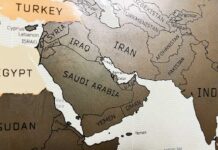
Kharg Island sits off Iran’s coast in the northern Persian Gulf and is central to Iran’s export economy. The reporting describes it as the route for about 90% of Iran’s crude exports, with significant volumes headed to China and other Asian markets.
That reality is why the message landed like a shockwave: the threat isn’t about a symbolic site, but about the regime’s ability to sell oil and fund its state apparatus.
Hormuz Strait Pressure Highlights a High-Stakes Chokepoint
The Hormuz Strait remains one of the world’s most sensitive maritime chokepoints, and the research provided indicates the U.S. is pressing Tehran to keep it open for commercial shipping.
Trump’s public posture also suggests he believes leverage is working. In remarks reported days before the March 30 ultimatum, Trump said Iran was permitting 10 oil tankers to pass Hormuz as a goodwill gesture, and later described plans for 20 large tankers to transit starting the next morning.
For American families already fed up with years of inflation and high energy prices, the Hormuz issue isn’t abstract. When shipping lanes tighten, insurance costs spike and markets react fast, with the pain quickly reaching U.S. gas stations and grocery aisles.
There is no available market-price data tied to this statement, but it outlines a clear mechanism: uncertainty over Hormuz traffic increases volatility and raises the risk of global supply disruption.
Conflicting Claims Raise Questions About the State of Diplomacy
The most important factual tension in the available reporting is the gap between Washington’s public optimism and Tehran’s public caution. Trump described negotiations as going “extremely well” on March 26.
Yet Iranian officials, while acknowledging receipt of a 15-point Trump administration proposal on the date of the threat, said there have been no direct negotiations with the U.S. so far. Those two statements can’t both describe the same kind of talks.
It has not been established what the 15 points include, who delivered them, or whether intermediaries are involved. The underlying timeline and scope of “the war” also remain unclear.
What is clear is the strategic signal: Trump is willing to use public, explicit pressure—aimed at revenue-producing infrastructure—to push Tehran toward immediate maritime concessions and a broader agreement.
Energy Consequences Could Ripple Beyond Iran and the Middle East
Because Kharg Island is described as handling the overwhelming majority of Iran’s crude exports, any credible risk to that infrastructure would matter to more than just Tehran. China and other Asian buyers are identified as major destinations for Iranian oil, meaning disruptions could shift global demand to alternative sources, tighten supplies, and raise prices.
There are also potential long-term implications: a permanent loss of Iranian exports would reshape supply chains and increase dependence on other producers.
There is an additional concern embedded in Trump’s wording: mention of possible desalination plant targets. While those facilities as not yet “touched,” there is no legal, humanitarian, or operational detail about how such targets would be evaluated.
What the public can verify is simply that Trump included them in his warning—an expansion beyond oil infrastructure into systems with civilian consequences.