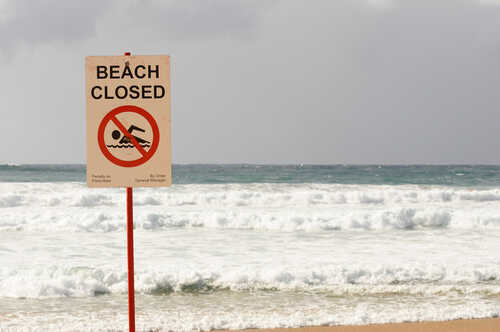
Two American tourists died off North Bimini after strong currents swept swimmers past a harbor entrance.
At a Glance
- Police said strong currents pulled a group near Bimini Harbor’s entrance.
- A ferry crew helped, but a 38-year-old man and a 40-year-old woman were recovered unresponsive.
- Medics performed CPR; a clinic doctor pronounced both dead shortly before 4 p.m.
- Authorities called it a suspected drowning and opened an investigation.
Police Timeline Pinpoints Where, When, and How
The Royal Bahamas Police Force said the call came just before 3 p.m. at the southern point of North Bimini, near the entrance to Bimini Harbor. Officers said strong currents swept several swimmers away. A nearby ferry assisted and brought people toward safety. Rescuers recovered two Americans, a 38-year-old man and a 40-year-old woman, who were unresponsive. First responders began CPR and rushed them to a local clinic. A physician pronounced both dead shortly before 4 p.m.
Police described the case as a suspected drowning and said foul play was not suspected. Officials also noted the group had been beyond a warning sign, while stressing that the investigation continued. Separate reports from United Press International and CBS News matched the core police account: strong currents, a ferry rescue, CPR, and two deaths near North Bimini. Those outlets reported the same ages and sequence of response drawn from the police statement.
Currents Turn a Familiar Vacation Scene Into a Life-Threatening Trap
Strong currents can move faster than a sprinting swimmer and often appear as a calm gap or a churning channel. People enter what looks like safe water, and the current does the rest. The National Oceanic and Atmospheric Administration urges swimmers to obey posted signs and ask lifeguards about conditions. The agency’s safety guidance says to float, signal for help, and swim parallel to shore if caught in a current. Those simple steps save lives every season.
Drowning fits a broader pattern for Americans overseas. The Centers for Disease Control and Prevention reports that drowning accounts for about one in ten deaths among United States travelers abroad. It is the leading cause of death for United States travelers visiting water-focused destinations like the Bahamas. That backdrop explains why a single bad decision or missed sign can become a fatal cascade, even for fit adults who feel comfortable in the water.
Rescue Capacity and Personal Responsibility Both Matter
First responders worked fast in Bimini, but even quick rescue and skilled CPR cannot always reverse a drowning. Seconds count. Local ferries, beach patrols, and clinics form a safety net, yet the first line is the swimmer’s own judgment. American conservative values stress personal responsibility and situational awareness. That aligns with posted warnings and lifeguard rules. Read the signs, assess the water, and choose caution over bravado when currents run. That is not fear; it is wisdom earned the hard way.
Two Americans died in a suspected drowning incident in the Bahamas on Friday afternoon after a group of swimmers was swept away by strong currents, police said. https://t.co/LR1P6EG0q1
— ABC30 Fresno (@ABC30) November 15, 2026
Travelers can stack the odds in their favor with small habits. Swim at guarded beaches. Stay within marked zones. Keep a float nearby. Pair up and watch one another. If someone goes missing, call out, throw flotation, and alert trained responders. These steps are simple, cheap, and proven. They keep a family trip from turning into a permanent loss. The Bimini case underlines the point: nature does not negotiate, and the water always wins the argument when we ignore the signs.
Sources:
abcnews.com, upi.com, rnli.org, nyseagrant.org