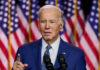


Hakeem Jeffries put three big health promises on the table at once: lower the Medicare age, add dental-vision-hearing, and insure every child.
Story Snapshot
- Jeffries endorsed lowering Medicare eligibility and adding dental, vision, and hearing benefits.
- He called for universal health coverage for all children in the United States.
- He framed the moves as concrete steps toward universal coverage, not Medicare for All.
- He did not specify a new age threshold or funding plan for these changes.
Jeffries lays out a three-part coverage push
House Democratic leader Hakeem Jeffries said Democrats should act to lower the age to qualify for Medicare, expand the program to include dental, vision, and hearing, and cover every child nationwide. He made the pledge at a Capitol press conference and tied the package to a larger drive toward universal health coverage. He called the steps “bold” and “meaningful,” and presented them as an agenda for the incoming Congress rather than a vague aspiration.
NEWS: Hakeem Jeffries is backing a major expansion of Medicare, including lowering the eligibility age, adding dental, vision, and hearing benefits, and guaranteeing health coverage for every child in America.
“A return to the status quo is not acceptable,” Jeffries declared.…
— MeidasTouch (@MeidasTouch) November 17, 2026
Jeffries stated the child plan in universal terms. He said Democrats should cover “all the kids in the United States of America,” without tying the pledge to Medicaid or the Children’s Health Insurance Program. He also repeated that every child should be able to see a doctor with high-quality, affordable care. The remarks drew quick attention because they join three ideas that have moved on different tracks for years.
What each plank would change in practice
Lowering the Medicare age would open enrollment to younger adults who often face the highest costs in the private market. Today, most people qualify for Medicare at age 65, with some qualifying earlier due to disability. Moving the age down would shift many people from employer or marketplace plans to Medicare, and it would reshape how hospitals and doctors get paid for that care. Jeffries did not name the target age, which matters for cost and timing.
Adding dental, vision, and hearing would fill a gap that seniors feel every day. Traditional Medicare does not cover routine oral health, eyeglasses, or hearing aids, except in narrow cases. Many Medicare Advantage plans offer these extras, but limits and caps are common. Older adults on fixed incomes often skip these services or pay large bills. A federal benefit would make access more reliable and more even across regions and plans.
Universal coverage for children as a distinct goal
Covering all children cuts across party lines because kids do not choose their parents’ jobs or incomes. Jeffries did not specify the vehicle. Options could include automatic enrollment at birth, a buy-in to Medicare, or a federal fallback plan tied to pediatric networks. The choice affects cost, state roles, and family premiums. The pledge sets a clear outcome: every child can see a doctor when sick and get routine care to stay healthy.
Jeffries separated his stance from single-payer plans. Reporting says he stopped short of endorsing Medicare for All, and his prior comments opposed that bill. He instead pitched these moves as a pathway. That framing may reassure moderates who want steady steps and budgets they can score. It also gives progressives a launch pad to argue for more in committee and on the floor when votes and dollars are on the line.
The missing details that will decide the fight
Jeffries did not say how to pay for a lower age or new benefits. He did not cite a bill, a cost estimate, or a vote schedule. Those gaps are normal at the podium but not on the floor. The House will need a number on the new age, a benefit design for dental, vision, and hearing, and a child-coverage structure that fits with Medicaid and employer plans. Without that, supporters cannot show the price tag or the tradeoffs.
Conservatives will ask how this plan protects taxpayers and does not crowd out private coverage. That question is fair. The strength of the case will rest on clear costs, honest offsets, and proof that clinics and dentists will take the new coverage at the set rates. Families want care that works, not a card that fewer providers accept. If Democrats deliver solid numbers and strong networks, they will have a firmer hand in the debate.
Why this coalition play could matter fast
Democrats see a lane to claim practical wins without relitigating Medicare for All. Lowering the age a few years can cover millions fast. Adding core benefits can save seniors from bills that wreck a budget. Insuring all children can end gaps that harm learning and long-term health. Each step is popular on its own. Bundled, they test whether a divided Congress can trade scope for speed and build a record that voters can feel within a year.
Sources:
yahoo.com, nytimes.com, kdhnews.com, kff.org