
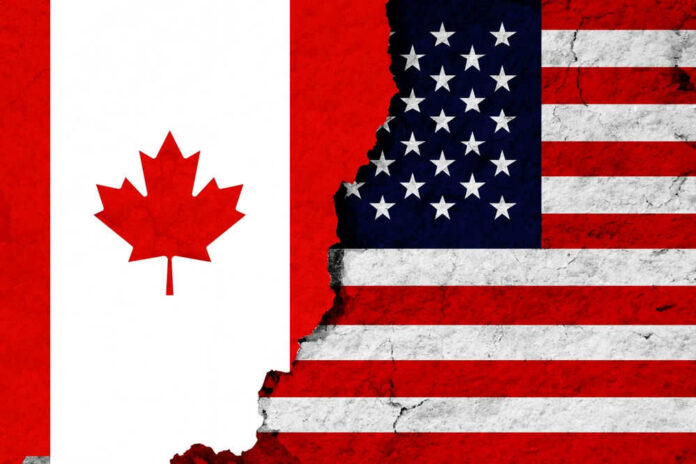
President Donald Trump just turned drifting wildfire smoke into a trade weapon, and the target is Canada’s autos, alcohol, and cheese.
Story Snapshot
- Trump tied Canadian wildfire smoke to a push for 50% tariffs on key Canadian goods
- He accused Canada of “willful negligence” in forest management and demanded compensation through tariffs
- Canadian leaders answered with hard numbers on fire spending and a firm rejection of blame
- Legal limits and past tariff fights suggest American shoppers, not Canada, may get hit hardest
Trump links smoke, tariffs, and Canadian goods
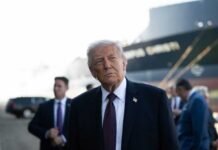
President Donald Trump did not just complain about the gray haze over American cities. He blamed Canada’s forests and then reached for the trade hammer. In a Truth Social post, he said the United States was being “unnecessarily invaded by filthy, polluted, and unhealthy air” from Canadian wildfires and called that “willful negligence.”
He argued that this smoke had cost Americans “billions of dollars” and said that cost “must of necessity be added to the tariffs Canada is currently paying.”
The twist is where the pain would land. Trump allies and conservative media posts framed this as part of a looming 50 percent tariff on a broad range of Canadian goods, including autos, alcohol, and cheese.
Those sectors hit daily life: cars, pickup trucks, beer, whisky, and dairy in the grocery aisle. This threat also sits on top of earlier Trump tariffs that already raised the average effective U.S. tariff on Canadian imports to about 8.1 percent in recent years.
Smoke, “willful negligence,” and the forest management blame game
Trump’s charge is simple and emotionally sharp. He says Canada is “not properly maintaining” its forests and brush, and that poor forest management turned what could be normal fire seasons into costly, cross-border health and economic crises.
Republican lawmakers backed him with an open letter claiming “chronic under-investment in forest thinning, fuel reduction, and prescribed burns” and warning that American “lungs are paying the price for Canadian inaction, year after year.”
.@USTradeRep Ambassador Greer explains the tariffs on a set of Canadian imports: "They banned the sale of U.S. liquor and other booze on Canadian shelves. They capped and limited the amount of autos that could be shipped [from] the United States from companies who were reshoring… pic.twitter.com/cQrySGrv1L
— Rapid Response 47 (@RapidResponse47) July 21, 2026
On paper, that sounds like tough love. But it crashes into some hard facts. Canadian officials say they have poured about 12 billion Canadian dollars into forest sustainability and fire prevention since 2020, including aircraft fleets, ground crews, prescribed burns, and early detection systems.
Experts also point out that Canada’s boreal forest covers hundreds of millions of hectares, much of it remote wilderness where fires are a natural part of the ecosystem and cannot be fully “managed” away. Calling this entire system “willful negligence” stretches common sense.
Canada pushes back with numbers, history, and a shrug
Prime Minister Mark Carney did not answer with outrage. He answered with receipts. His government highlighted the multibillion-dollar investment in fire prevention and the long record of Canadian firefighters helping on American soil, including recent deployments to Western and Midwestern states.
Ontario Premier Doug Ford was blunter. He called Trump’s claim “ridiculous” and “a bunch of rubbish,” and reminded viewers that Canada has often sent help across the border when U.S. states burn.
Canada’s natural resources minister, Tim Hodgson, treated the tariff idea almost like political noise. He said Canada will keep helping the United States with cross-border emergencies “by working together instead of pointing fingers,” and dismissed the idea of smoke-based tariffs as not serious policy.
That calm tone is classic Canadian crisis playbook: do not feed the drama, repeat the facts, and lean on the history of cooperation. For Americans who value strong allies and steady leadership, that kind of response is hard to paint as villainous.
Can you tariff smoke? The law says probably not
The biggest problem for Trump’s threat may not be Ottawa. It may be the United States legal code. Trade lawyers looking at this move say there is no clear mechanism in American law to slap a special tariff on a neighbor over air pollution from naturally occurring wildfires.
Past Trump tariffs on Canada leaned on national security powers under the International Emergency Economic Powers Act and on Section 232 findings about specific imported goods, not drifting smoke.
TRUMP ANNOUNCES 50% TARIFFS ON BROAD RANGE OF CANADIAN GOODS
President Trump is escalating a trade fight with Canada. WWNN's Stacy Lyn reports:: “President Trump announced new 50% tariffs on a broad range of Canadian goods including wine, hockey equipment, furniture, clothing,…
— Worldwide News Network (@WorldwideNNX) July 21, 2026
To layer a “smoke tariff” on top of a proposed 50 percent hit to autos, alcohol, and cheese, the White House would need a new legal hook. That hook has to say that natural fire smoke is a national security threat tied to trade in goods.
Recent Supreme Court rulings have already cut back Trump’s emergency tariff authority, making creative claims harder to sustain. When courts are skeptical and statutes are narrow, bold threats can melt into quiet walk-backs once the cameras move on.
Who really pays when tariffs become climate weapons
Supporters may cheer a tough stance on Canada, but past experience carries a warning. Earlier Trump tariffs on Canadian goods and energy raised costs for many American buyers. Canada answered with its own counter-tariffs, targeting U.S. products in politically sensitive regions.
Trade wars have a way of hitting shoppers before they change foreign policies. A 50 percent tariff on autos, alcohol, and cheese would likely show up in sticker prices, grocery bills, and bar tabs for American families.
There is also a deeper question that matters to anyone on the right who cares about limited government. If presidents start using tariffs as punishment for weather and climate events, there is no clear limiting principle.
Today it is Canadian smoke. Tomorrow it could be Mexican heat waves or European storms. That is not a rules-based trade system; that is a rolling political tax on whoever is blamed for the latest crisis.
Sources:
apnews.com, bbc.com, youtube.com, en.thairath.co.th, congress.gov