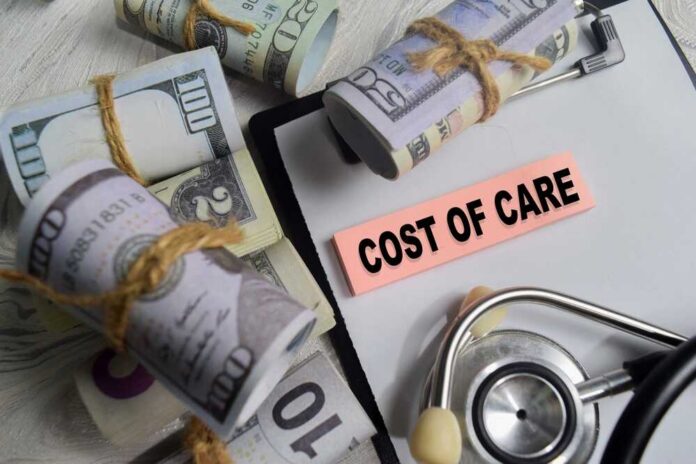
The White House says $500 refund checks will land in nearly one million mailboxes starting in October, and the path of that money tells a bigger story about who controls the costs in your health plan.
Story Snapshot
- The administration will send $500 to about one million Affordable Care Act enrollees across 30 states.
- Checks begin in October 2026 and target people in states that use HealthCare.gov.
- The White House frames the money as refunds of exchange “overcharges” collected earlier.
- The funds come from marketplace user fees, not new spending approved by Congress.
What Was Announced, Who Gets Paid, And When
The White House announced it will issue $500 payments to nearly one million people enrolled in Affordable Care Act plans in 30 states that use the federal HealthCare.gov marketplace. Payments begin in October 2026.
The administration described the money as refunds tied to exchange fees that raised premiums in those states. The announcement anchors a direct promise: people who buy plans on the federal exchange will see cash in hand this fall, without filing forms or changing coverage.
Officials said the checks go to individuals, not insurers, and will not change premium tax credits or cost-sharing reductions. The White House positioned the move as returning dollars to families who faced higher costs tied to marketplace operations.
That framing and the calendar matter. The government can move existing fee revenue faster than Congress can pass new spending. The timeline signals a cash-forward strategy: cut the check now, and settle the program accounting later with routine rulemaking and audits.
Where The Money Comes From And Why It Exists
Federal marketplace operations charge insurance companies a user fee that is built into premiums in states on HealthCare.gov. The Centers for Medicare and Medicaid Services sets that rate each year to fund call centers, website operations, outreach, and oversight.
When fee revenue runs ahead of costs, a surplus can build. The administration says that surplus is the source of the $500 payments. This lever avoids new appropriations and uses existing program dollars already collected.
President Donald J. Trump announces $500 rebate checks to nearly 1 million hardworking Americans who were wrongly overcharged through Obamacare.
"Our Administration is doing the right thing and giving the money back to the people who were wrongly ripped off." pic.twitter.com/XWA1wlzRH8
— The White House (@WhiteHouse) September 10, 2026
Rule changes over the past two years show fee rates moving down as operations became more efficient, which supports the claim that some extra dollars existed.
The Department of Health and Human Services finalized a 2.5 percent fee for 2026 and has since signaled lower rates for the following year as costs fall.
That pattern—fees set, operations paid, rates adjusted—tracks with the idea that extra funds can be redirected back to the people who paid through their premiums.
How The Administration Justifies Direct Consumer Refunds
The White House argues that people were overcharged when the fees were set higher than needed, so refunds should go to those people rather than to insurers or to other programs. That makes sense to a household budget. The policy also speaks to fairness: match dollars to those who bore the costs.
Reporters pressed the novelty of this step. A marketplace expert told Reuters there is little precedent for sending exchange fee money to consumers as refunds, even though the government issues other rebates often. Novel does not mean improper.
It means the administration picked a clean, simple path: use a specific pool of dollars and deliver it where the burden fell. That approach respects both the letter of the fee system and the spirit of cost relief for families.
Who Qualifies, What To Expect, And What Comes Next
Eligible people are those enrolled in Affordable Care Act plans in the 30 states that rely on the federal HealthCare.gov platform. State-based exchanges that run their own websites are not included.
Checks will be mailed to the address on file with the marketplace or the enrollee’s plan. The payment is a flat $500 per person, which means a family of four with coverage on HealthCare.gov could receive $2,000 across individual checks, according to the White House description of the program.
Trump administration to send $500 payments to nearly 1 million Obamacare participants – CBS News https://t.co/n1mUfoXRGe
— Truly Blessed (@Loretta63354723) September 13, 2026
Households should treat this as a one-time refund, not a new benefit built into future premiums. The administration set the groundwork for lower user fee rates in the next rule cycle, which—if upheld—should keep pressure off premiums going forward.
People want predictability as much as they want relief. A refund today and a lower fee tomorrow follow the same principle: stop government-driven cost creep and give families control over more of their own money.
Sources:
whitehouse.gov, washingtonpost.com, reuters.com, haystack.tv