
Terry Moran says he saw Joe Biden’s decline coming years before the country did, and when he tried to report it, his own network shut him down.
Story Snapshot
- Former ABC News correspondent Terry Moran says he pitched a story on President Biden’s health before other outlets did.
- Moran says he was “shut down very hard” and told the topic belonged to the medical unit, not him.
- He claims he wrote an email to editors making the case for the story and says he may still have it.
- ABC has not publicly responded to Moran’s specific claim about the blocked pitch.
What Terry Moran Says Happened Inside ABC
Terry Moran spent decades as one of ABC News’s most recognizable faces. Now he says that reputation didn’t buy him the freedom to report what he saw.
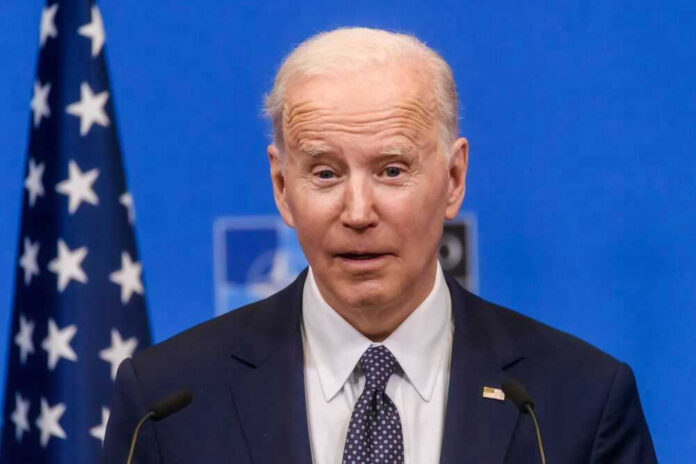
Moran told interviewers he tried to break the story of Biden’s declining health “before anybody else did in network, because I’d seen it.” He says the reaction from above was swift and harsh. “I got shut down very hard,” Moran said.
BIDEN COVERAGE SCRUTINY: Former ABC News correspondent Terry Moran said the network shut down his effort to report on former President Joe Biden's health well before questions about the president's fitness went mainstream. pic.twitter.com/xgwHbIaNsS
— NEWSMAX (@NEWSMAX) September 22, 2026
Moran didn’t describe a vague pushback. He says he made his case in writing, sending an email to newsroom leadership. “I wrote an email to everybody as gently, and as respectfully as I could — I think I still have it,” he said, according to the published account of his remarks.
That detail matters. A saved email would be a real record, not just a memory, and it’s the kind of document that could settle exactly what was said and when.
The Excuse: ‘Not Your Lane’
According to Moran, the rejection came with a specific explanation. He says he was told the Biden health story was “the medical unit’s business, it’s not yours.”
That line reduces a major campaign-era news story to a bureaucratic turf question, treating a president’s fitness for office as a niche medical beat rather than a story that belonged on the network’s biggest platforms.
Moran’s account spread fast once it went public on September 21, 2026. Yahoo News and Newsmax both ran versions of the same claim within a day of each other, treating his words as the news itself rather than a rumor to be chased down.
That kind of quick, parallel pickup often happens when a source’s account lands with enough specificity — names of departments, quoted phrases, a described email — to stand on its own as reportable.
ABC’s Public Record on Biden’s Health
ABC News did eventually cover Biden’s health, just later and through a different lens. The network reported on his prostate cancer diagnosis in the spring of 2025, describing how he was “seen for a new finding of a prostate nodule after experiencing increasing urinary symptoms.”
It also covered the book “Original Sin,” which alleged Biden’s team hid the seriousness of his condition and noted that Biden himself denied the book’s claims on “The View,” saying “they are wrong. There’s nothing to sustain that”.
None of that ABC coverage addresses Moran’s specific claim about an earlier, blocked pitch. The public record shows the network eventually covered Biden’s health once the story became unavoidable.
It does not show what happened, if anything, when Moran allegedly raised it first. ABC has not issued a public response to Moran’s account, so his description of the internal decision stands as the only detailed version currently on record.
Why This Fits a Bigger Pattern in Newsrooms
Media researchers have long studied how editors act as gatekeepers, deciding not just what runs but what gets delayed, reassigned, or quietly dropped.
Scholars call the softer version of this “self-censorship,” where journalists or their organizations hold back material they fear will draw criticism or conflict with the outlet’s broader posture, especially during politically charged periods.
That framework doesn’t prove intent in any single newsroom decision. But it explains why Moran’s story resonates beyond one reporter’s grievance.
If a network can tell a veteran correspondent that a president’s visible decline is “not his lane,” it raises a fair question about who gets to decide which stories the public sees first, and why the answer sometimes seems to protect the powerful rather than inform the audience.
The strongest next step is simple: produce the email. Moran says he still has it. If it surfaces, it would move this from one man’s recollection to a documented internal record, showing exactly who received the pitch, when, and how they responded. Until then, his account remains the clearest public description of a story he says never should have been buried.
Sources:
yahoo.com, newsmax.com, thegatewaypundit.com, nbcnews.com, mediaite.com