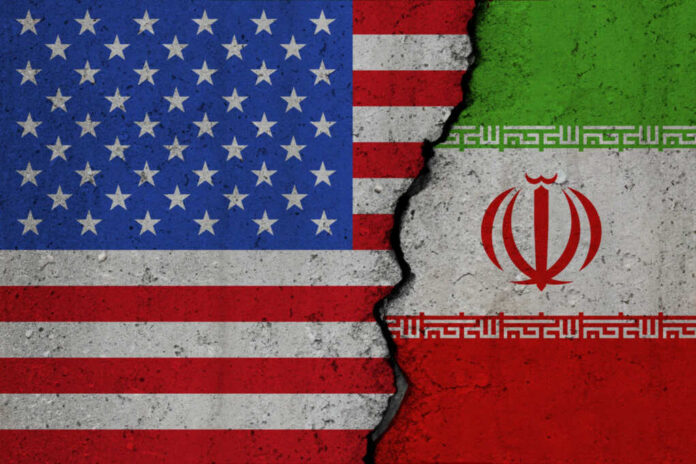
The United States called its latest strike on Iran “self-defense,” while Iran called it “aggression”—and buried inside that clash is the real story about power, law, and what America is willing to do to protect its people.
Story Snapshot
- U.S. forces say they shot down four Iranian attack drones near the Strait of Hormuz, then hit a ground control station before a fifth drone could launch.
- Iranian outlets claim explosions near Bandar Abbas struck barren land and framed the event as unlawful American escalation.
- Trump publicly argued Iran is “negotiating on fumes,” raising questions about how military pressure and diplomacy are linked.
- The clash fits a long pattern: Washington calls it self-defense, Tehran calls it provocation—and the truth matters for every American in uniform.
How the drone clash near the Strait of Hormuz escalated in minutes
U.S. officials say the latest confrontation began when Iranian forces launched four one-way attack drones toward a U.S.-linked commercial vessel in or near the Strait of Hormuz, one of the world’s tightest and most critical energy chokepoints.[2][4] Central Command reported that American forces intercepted and destroyed all four drones before impact, describing them as a “direct threat” to U.S. personnel and maritime traffic.[2][4] That initial interception set the stage for what came next: a decision to strike inside Iran’s territory.
NEW: CENTCOM says Iran carried out an “egregious ceasefire violation” overnight, launching a ballistic missile toward Kuwait and multiple attack drones near the Strait of Hormuz.
The missile was intercepted by Kuwaiti forces while the U.S. took out five drones and prevented a… pic.twitter.com/kvqb542Za7
— Fox News (@FoxNews) May 28, 2026
Following the shoot-downs, U.S. forces conducted what they labeled a “defensive strike” on an Iranian military site near the southern port city of Bandar Abbas.[2][4] American officials said they targeted a drone ground control station that was preparing to launch a fifth one-way attack drone, arguing the site was part of the same unfolding threat.[2][4] Local reports described multiple explosions just after 1:30 a.m. around the area, with residents hearing several blasts in quick succession as air defenses and strikes played out overhead.[2]
Competing narratives: self-defense or unlawful escalation?
Tehran’s message machine immediately went to work. Iranian state-linked media acknowledged that explosions were heard around Bandar Abbas but claimed the blasts occurred in a “scorched” or uninhabited area and caused no casualties or damage.[2] Those accounts implied that U.S. forces either missed their real target or exaggerated the strike’s military significance. Iranian reports also framed the entire incident as a response to alleged American “aggression” linked to the protection of a U.S. oil tanker transiting the strait.[2]
American outlets, meanwhile, amplified Pentagon and Central Command framing that the operation was narrowly scoped, proportional, and designed to protect both U.S. forces and commercial shipping.[2][4] Officials emphasized that the broader ceasefire arrangement in the region remained in place, and that Washington did not seek a wider war with Iran.
This clash of narratives is not a side story—it is the battlefield where legality, deterrence, and international opinion are fought over, minute by minute, whenever the United States pulls the trigger.
Trump’s “negotiating on fumes” remark and the pressure campaign
Trump’s comment that Iran is “negotiating on fumes” landed at precisely the moment these strikes were unfolding, and it dovetails with a long-standing American strategy: mix military pressure with economic and diplomatic leverage to push Tehran toward concessions.[3][4] The message to Iran is simple and blunt: your military assets are vulnerable, your economy is strained, and the United States still controls the high end of escalation if things get out of hand.
From a common-sense perspective grounded in American security, there is logic to that approach. Iran has a record of threatening shipping, shooting down a U.S. surveillance drone in 2019, and arming proxies across the region. When a regime like that launches drones at U.S.-linked vessels in a global energy chokepoint, doing nothing would invite more aggression. The hard question is not whether to respond, but how to respond in a way that deters Iran without dragging American forces into a larger, endless conflict.
Why “self-defense” claims matter beyond the headlines
Episodes like this fit a larger pattern in U.S.–Iran confrontations: both sides rush to claim the moral and legal high ground by branding their actions as defensive while depicting the other as reckless and unlawful.[1][4][5] In the short term, that framing shapes how allies, markets, and adversaries react. Over time, it sets precedents. If Washington’s definition of “self-defense” stretches too far, critics at home and abroad will say the label has become a rubber stamp for any use of force leaders find convenient.
The US military executed a precision strike against an Iranian ground control station in Bandar Abbas.
CENTCOM forces intercepted four attack drones before striking the facility as it prepared a fifth launch.
Iranian state media downplayed the hit, claiming they only fired… pic.twitter.com/goSytHSJNj
— The UAE Times (@theuaetimes) May 28, 2026
For Americans who care about both strength and restraint, the key is clarity. When the United States says it shot down drones that were actively inbound and then struck a launch hub preparing the next wave, that looks closer to classic self-defense.[2][4] When Iran responds with denials, downplaying, or retaliatory missile shots at U.S. bases, it reinforces the sense that pressure works but also keeps the risk meter high.[2][3]
The Strait of Hormuz may be thousands of miles away, but the choices made there can decide whether American service members come home—and whether deterrence holds without a wider war.
Sources:
[1] Web – US military conducts another strike against Iran after Trump says Iran …
[2] YouTube – U.S. strikes Iranian military facility and four drones amid fragile …
[3] YouTube – U.S. launches fresh ‘defensive’ strikes against Iran, Tehran hits back
[4] YouTube – US military conducts another strike against Iran
[5] Web – 2025 United States strikes on Iranian nuclear sites – Wikipedia