
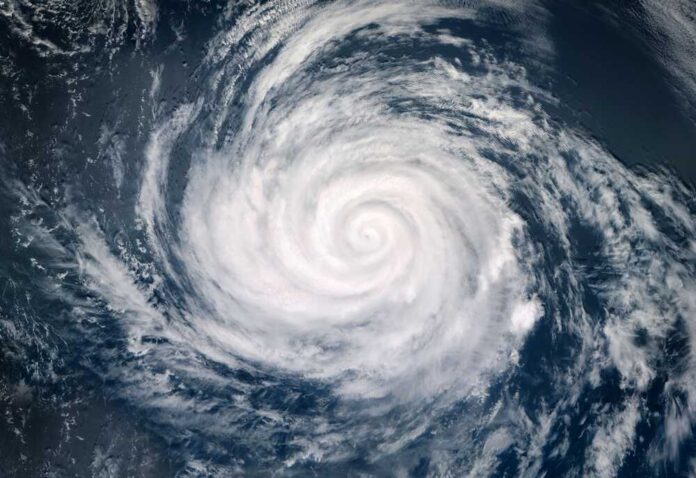
Hurricane Melissa shattered all previous wind speed records with a devastating 252 mph gust, demonstrating the raw power of nature that no amount of government climate hysteria could have prevented or predicted.
Story Snapshot
- Hurricane Melissa recorded unprecedented 252 mph wind gusts in October 2025.
- NOAA Hurricane Hunter aircraft used specialized dropsondes to capture the historic measurement.
- The previous record was 248 mph from Typhoon Megi in 2010.
- Category 5 storm devastated Caribbean islands, killing dozens across Jamaica and Haiti.
Record-Breaking Wind Measurement Confirmed by NOAA
Hurricane Melissa produced the strongest wind gust ever recorded by scientific instruments when a dropsonde measured 252 miles per hour shortly before the storm made landfall in the Caribbean.
NOAA Hurricane Hunter aircraft deployed these specialized weather instruments into the raging Category 5 storm during October 2025. The measurement surpassed the previous record of 248 mph set by Typhoon Megi over the western Pacific Ocean in 2010.
It’s been confirmed that the 252mph wind gust measured in Hurricane Melissa (above the surface) is the highest ever recorded by a dropsonde. This beats the old record of 248mph from Typhoon Megi in 2010. Makes you wonder if we’ll get an upgrade to the maximum sustained winds… pic.twitter.com/SVg1Spd7Uk
— Collin Gross (@CollinGrossWx) November 20, 2025
Advanced Technology Captures Unprecedented Data
Dropsondes represent the gold standard for hurricane measurement, equipped with small parachutes and capable of recording pressure, temperature, humidity and wind data simultaneously.
These devices take readings two to four times per second as they descend into the ocean. NSF NCAR engineer Terry Hock explained that aircraft cannot safely fly close enough to the surface during Category 4 or 5 hurricanes, making dropsondes essential for understanding conditions where people and property face the greatest threat.
Scientific Verification Process Ensures Accuracy
NOAA researchers immediately contacted NSF NCAR to verify the extraordinary 252 mph reading, recognizing its potential historical significance. Senior scientist Holger Vömel and his team conducted rigorous quality control analysis using specialized software to confirm the measurement’s validity. They verified that such wind speeds were physically possible given the hurricane’s behavior and compared the data against previous storm patterns to ensure accuracy.
Brave Pilots Risk Lives for Critical Weather Data
Hurricane Hunter pilots and researchers literally put their lives on the line to collect this vital meteorological information, flying directly into Category 5 storms to deploy measurement devices.
Their dangerous missions provide irreplaceable data for weather forecasts and emergency warnings that protect American communities. Vömel praised these heroes, noting it’s a privilege to help ensure the measurements they acquire under such perilous conditions maintain scientific accuracy and reliability.
Devastating Caribbean Impact Claims Dozens of Lives
Hurricane Melissa inflicted catastrophic damage across multiple Caribbean nations in late October 2025, making landfall in Jamaica as a Category 5 storm before moving on to Cuba, the Bahamas, the Dominican Republic, and Haiti.
The unprecedented storm killed dozens of people, with Jamaica and Haiti bearing the heaviest casualties. This tragic loss of life demonstrates why accurate hurricane measurement and forecasting remain critical for protecting vulnerable populations from nature’s most destructive forces.