
A 39-year-old mother died in a Delaware field because a hunter fired at what he “thought” was a deer, police said.
Story Snapshot
- Police charged 74-year-old Walter Moorhead with manslaughter after a fatal shot in Ellendale.
- Investigators say he hunted from a ground blind and mistook the woman for a deer.
- The victim walked through the field with a man and two children when she was hit, police said.
- Cases like this often hinge on the core hunting rule: identify your target before you fire.
Police Account And Charges Filed
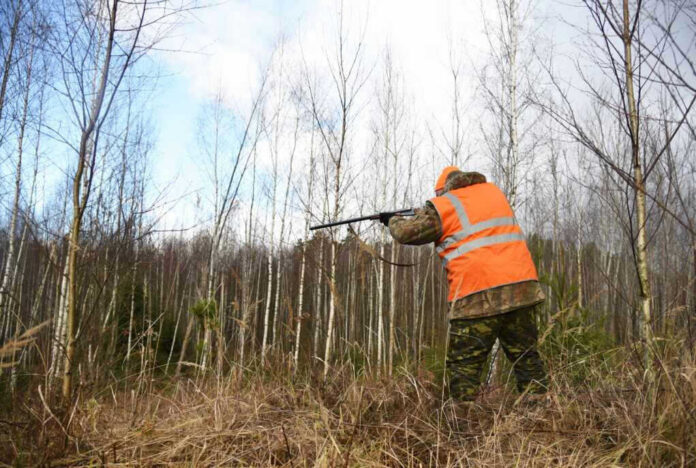
Delaware State Police said Walter Moorhead, of Salisbury, Maryland, fired a rifle from a ground blind in a field near Ellendale on the evening of September 18. The round struck and killed a 39-year-old woman who was walking with a man and two children.
Troopers said Moorhead believed he saw a deer before he fired. Police arrested Moorhead and charged him with manslaughter and related offenses. Authorities released those details in a public statement the next day.
Reporters echoed the police account and identified the victim as a Delaware woman. Coverage noted Moorhead’s age, the open field location north of East Robbins Road, and the allegation that he mistook the woman for game.
Outlets also listed additional counts, including possession of a firearm during the commission of a felony and reckless endangering, according to summaries of the police release. Those reports tracked closely with the official timeline and facts shared by investigators.
Why Prosecutors Treat This As Criminal Negligence
Prosecutors often charge cases like this as manslaughter when the shooter fails the most basic safety rule in hunting: be sure of your target, and know what is beyond it. Courts have treated that rule as a clear standard for years.
A Virginia appellate decision summarized it plainly: do not shoot at sound, do not shoot at color, and never shoot before you are sure of your target. That standard turns confusion into culpability when a trigger is pulled too soon.
Elderly hunter kills woman he mistook for deer as she walks with kids: cops https://t.co/gQRvxGabxk pic.twitter.com/81TxdRAY62
— New York Post (@nypost) September 20, 2026
Other states have reached the same bottom line in similar tragedies. A Minnesota Supreme Court case described a first-degree manslaughter framework when a hunter’s carelessness leads to mistaking a person for an animal.
Maine prosecutors secured a guilty plea in a misidentification death, citing the state’s Target Identification Law. These examples show a steady doctrine: the law expects positive identification before a shot, not guesses in low light or brush.
The Safety Rule That Decides Lives
Hunting culture teaches one core habit: confirm, then fire. Every safety course drills it. The rule protects not just game, but neighbors, hikers, and kids crossing a field.
A rifle carries force that demands restraint. When a hunter squeezes the trigger without certainty, he transfers risk to everyone downrange. The law later asks if a careful person would have held fire. In these cases, prosecutors say yes.
A hunter allegedly mistook a 39-year-old woman for a deer before shooting her dead in a horrific incident in Delaware. Walter Moorhead, 74, has been charged with manslaughter after investigators said he fired his rifle at what he believed was a deer, striking Maria Chilel Soto.… pic.twitter.com/WFEcTmiaz1
— Frank News (@FrankNews1234) September 21, 2026
National crime data also places negligent gun deaths, including hunting incidents, inside the wider category of manslaughter. The Federal Bureau of Investigation (FBI) has highlighted how “accidents” with firearms end lives every year. The point is not to smear lawful hunters.
It is to stress that safety rules exist for the very moments when excitement, dusk, or movement trick the eye. Following the rule keeps communities safe. Breaking it can turn a field walk into a funeral.
Sources:
rmb.reuters.com, people.com, dsp.delaware.gov, msn.com