
A seven-year-old rental car dispute nearly cost Lakesha Womack her new seat in Congress before she ever took the oath.
Quick Take
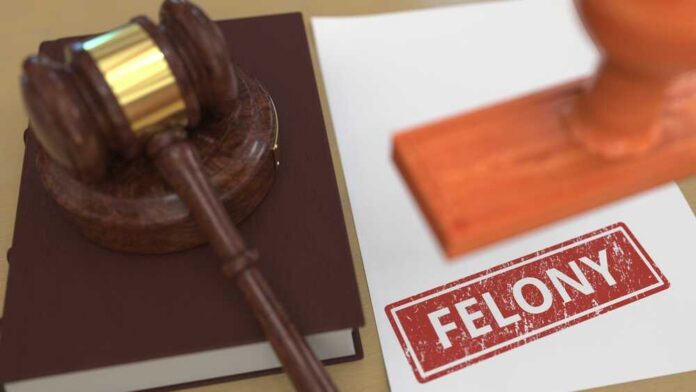
- Mecklenburg County prosecutors dropped a felony charge against incoming Democratic Representative-elect LaKesha Womack over an unreturned rental car.
- The case traced back to a Toyota Corolla rented in August 2019 and recovered by police that December.
- A summons was issued in January 2020 but wasn’t served until October 2026, during her campaign.
- Womack says she was homeless at the time and never knew about the charge until years later.
A Rental Car Turns Into a Felony Charge
Womack rented a Budget vehicle in August 2019 and renewed it twice before the company says it was never returned. Court documents accused her of felony failure to return hired property, tied to a Toyota Corolla valued near twenty thousand dollars. Law enforcement recovered the car on December 4, 2019, but a criminal summons wasn’t issued until January 14, 2020, setting up a case that would sit untouched for years.
Service Arrives at a Campaign Event
The summons went unserved for nearly six years. It finally reached Womack on October 11, 2026, served at a campaign event just weeks before early voting began in her race against Republican Tim Moore. Moore’s campaign referenced the felony charge in political advertising, turning a years-old paperwork dispute into a late-breaking election story.
Womack called the timing suspicious, pointing out that if prosecutors truly believed she had committed a serious crime, they had years to track her down before voters went to the polls. Mecklenburg County, after all, had her name on file the entire time.
Why the District Attorney Walked Away
District Attorney Spencer Merriweather dismissed the charge with prejudice, meaning it cannot be refiled. He said the rental company received payment covering the overdue rental period and no longer wanted to pursue the case. That detail matters. A company willing to accept payment and move on suggests this was always closer to a billing dispute than an act of theft.
Womack’s Account of Homelessness and Hardship
Womack says she and her son were homeless around the time of the alleged offense, following a medical emergency that landed her in intensive care. Without a stable address, she says court paperwork never reached her. She has said she’s ready to pay any late fee she owes, framing the matter as a financial obligation rather than a crime she tried to dodge.
The felony charge Rep.-elect LaKesha Womack (D-North Carolina) faced for failing to return a rental car in 2019 was dropped, one week before she was set to appear for a hearing in the case after returning home from new-member orientation in Washington. https://t.co/X9tqSaiTDm
— The Washington Post (@washingtonpost) November 25, 2026
She has also asked a fair question: why did it take seven years and a campaign rally for anyone to find her? If the case was serious enough to charge as a felony, the lag between issuing the summons and serving it deserves its own explanation, one the public hasn’t gotten yet.
What Gets Resolved, and What Doesn’t
Dismissal with prejudice closes the door on this specific charge for good. It does not, however, answer every question raised along the way. The full rental contract, the recovery report, and the DA’s internal reasoning remain outside public view, leaving citizens to rely on summaries from news coverage rather than the underlying record.
Whatever the merits of the original charge, using a years-old summons as a campaign-season surprise raises its own red flags. Prosecutors and rental companies have every right to pursue unpaid debts. But stale charges resurfacing right before an election, regardless of party, deserve scrutiny over why timing worked out the way it did.
Sources:
wbtv.com, newsfromthestates.com, qcnews.com, wsoctv.com, washingtonpost.com