
The coroner ruled later Hollywood actress Hayden Panettiere’s death an accidental overdose caused by fentanyl and other drugs.
Story Snapshot
- South Carolina coroner: death was accidental from toxic effects of multiple drugs
- No trauma found on autopsy, pointing away from violence
- Early reports cited a single counterfeit pill; her rep called those claims hearsay
- Fentanyl in fake pills has surged nationwide, raising risk from “just one pill”
Official Ruling: What The Coroner Found
The Greenville County Coroner’s Office said Hayden Panettiere died from the toxic effects of fentanyl, 4-ANPP, alprazolam, methocarbamol, and quetiapine. The office ruled the manner of death accidental. This finding answers weeks of speculation that followed her sudden death at 36.
BREAKING: Actress Hayden Panettiere's death has been ruled accidental from drugs, including fentanyl, according to the Greenville County Coroner's Office in South Carolina.
Read more: https://t.co/jzXmygKXU3 pic.twitter.com/QmCSlXUGGn
— ABC News (@ABC) September 22, 2026
The autopsy found no signs of trauma that would have contributed to her death, which strengthens the conclusion that violence did not play a role.
It narrowed the possible causes to toxic exposure and medical factors, not foul play. Families and fans want clarity fast, but in drug deaths, the body’s chemistry provides the proof, and that takes time to analyze.
From Rumor To Record: How The Narrative Shifted
Media reports soon after her death pushed a theory: one counterfeit oxycodone pill laced with fentanyl. Her representative urged caution, calling those claims unverified hearsay while toxicology was still pending. Local officials also warned the public not to jump ahead of lab results.
That was the right call at the time. Now, the final coroner ruling brings the case out of the fog and into the record, with fentanyl confirmed and accident established.
Law enforcement interest reportedly turned to supply chains while the testing proceeded, a common track in suspected counterfeit pill cases. When a death points to fake pills, investigators try to trace the source.
That work can take months and cross state lines. The push to follow the chain is not about blaming victims. It is about stopping the next pill before it stops a heartbeat.
The “One Pill” Threat Isn’t Hype
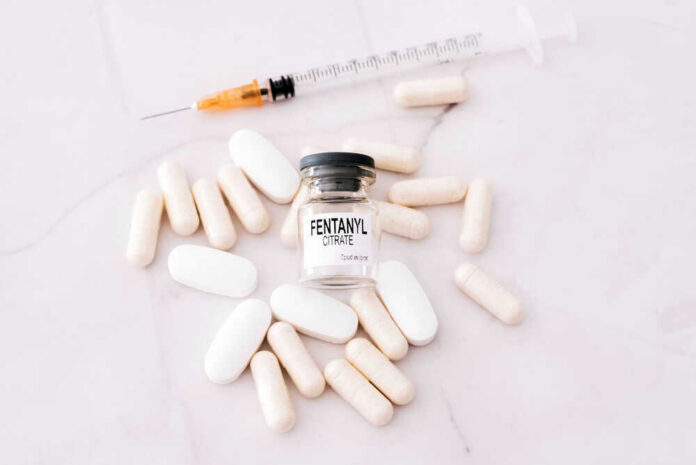
Fentanyl-laced fake pills have flooded the United States in recent years. Law enforcement seized more than 115 million fentanyl-containing pills in 2023, up from tens of thousands in 2017. That leap changed the risk math for everyone, from teens to professionals.
A single tablet can carry a lethal dose, even for someone without a use disorder. That is why the “one pill” idea sounds dramatic but reflects the reality on the ground.
🚨UPDATE: Officials in South Carolina have revealed actress Hayden Panettiere died from an accidental drug overdose involving fentanyl and multiple prescription medications. The coroner’s office ruled her death an accident
Here is the complete news breakdown of the newly… pic.twitter.com/GmIX0xAY1M
— Amy Leigh (@IAmyLeigh) September 22, 2026
Public health data show counterfeit-pill involvement in overdose deaths more than doubled in a short span. Dealers press fentanyl into look-alike pills for easy sale, and the dose is uneven.
That roulette effect means two pills from the same bag can act very differently. When officials say the threat is real, they are speaking from seized evidence, not slogans.
What This Means, And What To Do Next
This ruling closes the cause-of-death question but opens a duty for the rest of us. Parents, coaches, and friends should talk plainly about counterfeit pills. Skip scare tactics and use facts: most fentanyl pills do not come from a pharmacy, and many contain deadly amounts. Keep naloxone on hand.
Call 911 at the first sign of trouble. These are small steps that buy time and save lives while law enforcement pressures the supply side.
Policy should pair tough enforcement with blunt education. Secure the border, hit traffickers hard, and dismantle pill-press operations. At the same time, widen access to treatment and testing tools, so people can move from risk to recovery.
Freedom and responsibility go together: say yes to help, no to street pills, and demand real accountability for the people who profit from poison. That balance reflects both compassion and order.
Sources:
wyff4.com, nypost.com, latimes.com, tribune.com.pk, foxcarolina.com, yahoo.com, tmz.com