

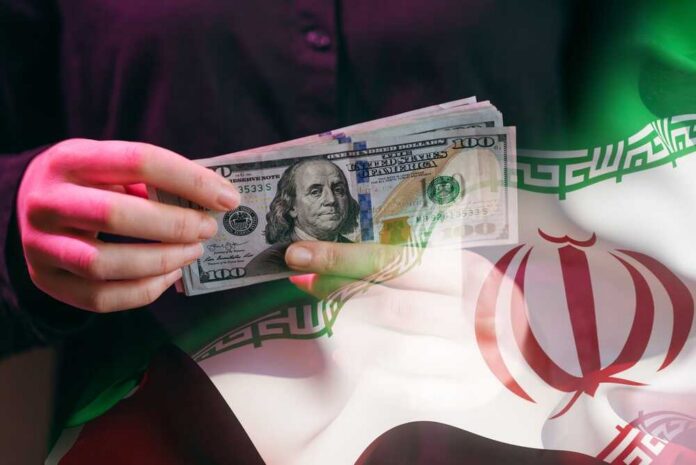
President Trump warned Tehran and its enablers to brace for an “Economic D-Day,” signaling a fresh surge of sanctions and financial isolation to choke Iran’s war machine.
Story Highlights
- Trump shifted from new strikes to tougher economic warfare on Iran, backed by Treasury actions.
- The White House aims to cut Iran’s access to money, oil markets, shipping, and digital finance.
- Officials promised measures “never seen,” with penalties for countries that aid Tehran’s networks.
- Analysts say sanctions cause heavy pain but have a mixed record forcing regime change.
Trump Centers Strategy on Financial Squeeze, Not New Strikes
President Trump said the United States is “low-keying it” with Iran while watching economic pressure mount, marking a clear pivot from immediate military escalation toward sustained financial warfare.
He described Tehran’s finances as strained and highlighted limits on Iran’s ability to access or borrow money. That public message matched a weeks-long pattern: reduce kinetic action, tighten the vise on cash flows, and force choices in Tehran by cutting revenue streams that fund aggression and terror proxies.
Treasury leadership set the table for the next phase. Officials said Washington would roll out measures “never seen” as early as the coming days, signaling broader targets and harder enforcement across oil, shipping, insurance, banking, and gray-market trade.
The plan builds on prior pressure tools that lift costs for buyers of Iranian crude and for the vessels and intermediaries that hide cargo origin. The approach aims to make every barrel, bank transfer, and backdoor trade riskier and more expensive for Iran and its partners.
Cutting Off Lifelines: Oil, Shipping, Banking, and Digital Assets
The State Department and the Department of the Treasury have already moved on digital asset hubs that Tehran used to keep money moving, sanctioning exchanges, facilitators, and front companies tied to illicit finance.
Those actions sit alongside the long-running Iran sanctions program that lets the Office of Foreign Assets Control enforce restrictions across sectors and designate new actors that help the regime. Together, these tools attack Iran’s earnings, raise transaction costs, and put pressure on third countries tempted to look the other way.
NEW: President Trump is turning up the pressure on Iran, announcing what he calls the "MOST CRUSHING ECONOMIC OPERATION EVER TAKEN AGAINST ANY COUNTRY."
"This will be Economic Warfare and Isolation on an unprecedented scale."
"I am also announcing that ANY country that allows… pic.twitter.com/2bt1LIKf5S
— FOX Business (@FoxBusiness) August 20, 2026
White House messaging pairs those actions with a warning to Iran’s backers. The administration signaled that countries and firms doing business with Tehran could face steep penalties under expanded secondary measures, increasing the risk for refineries, insurers, shippers, and banks that touch Iranian oil and payments networks.
The aim is simple: dry up the cash that funds missiles and militias without committing to new large-scale strikes. This keeps pressure high while giving the United States room to escalate if Iran chooses more aggression.
Why Economic Pressure Now, and What History Shows
Presidents often turn to sanctions to force talks or concessions without full-scale war. That logic fits the moment. Financial pressure signals strength, reduces Iran’s options, and can deter outside support for Tehran’s networks.
But experts also note a pattern over decades: sanctions reliably hurt Iran’s economy yet do not always deliver the big political changes Washington seeks. That mixed record shapes expectations for how quickly Tehran might bend under this new squeeze.
Trump announces Economic D-Day against Iran, targeting oil, trade, shipping & financial networks.
Secondary sanctions could raise global pressure.
📊 Potential impact: Oil ↑ | Gold ↑ | USD ↑ | Risk Sentiment ↓ Key risk: supply disruptions or wider escalation.#trump pic.twitter.com/LotAMZAfav
— Carlos And Company (@carlosandcompny) August 20, 2026
Past pressure campaigns show what works best. Strong enforcement, tight oil controls, and coordination that reaches shipping and finance can shrink regime revenue and limit procurement.
Digital finance is now a key battleground, and recent actions against crypto exchanges linked to Iran show the policy shift is not only broader but also more modern. The measure of success will be whether these steps slash Iran’s usable funds while deterring partner nations from giving Tehran an economic escape hatch.
What This Means for Americans and Allies
A tougher squeeze on Iran seeks to protect U.S. troops, curb terror proxies, and restore deterrence without inviting a wider war. If Iran’s cash dries up, missile stockpiles, drone parts, and proxy payrolls should suffer.
That can help calm shipping lanes and energy markets over time. Yet there may be short-term bumps, including freight delays and tighter compliance costs for global trade. The administration is betting that decisive and targeted pressure now prevents a bigger, costlier fight later.
The Bottom Line: Squeeze the Regime, Shield the Republic
President Trump’s “Economic D-Day” message puts Tehran and its sponsors on notice: the United States will use its financial power to defend American lives, uphold freedom of navigation, and punish those who bankroll aggression.
The plan targets the regime’s wallet, not the Iranian people, and seeks to cut the fuel lines to terror. Results will depend on strict enforcement and allied follow-through. For now, the cash crunch is the chosen battlefield—and Washington holds the advantage.
Sources:
aljazeera.com, cnn.com, cnbc.com, npr.org, finance.yahoo.com