

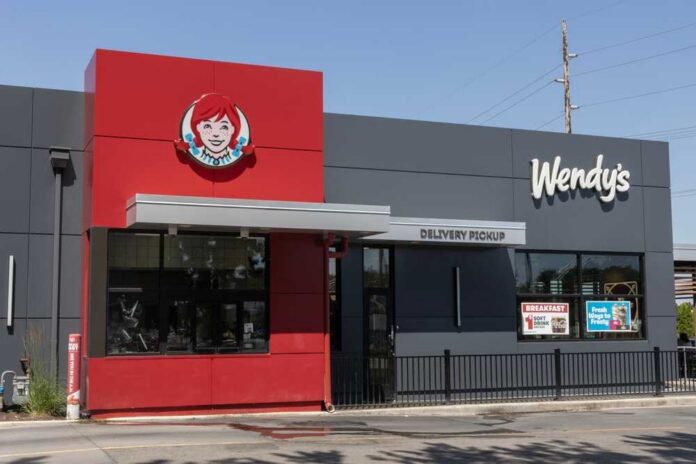
Burger King has pushed Wendy’s out of the No. 2 spot, and the swing says more about momentum than pride.
Quick Take
- Burger King is now the second-largest burger chain in the United States by systemwide sales, behind McDonald’s.
- The change follows Burger King’s turnaround and Wendy’s six straight quarters of shrinking U.S. same-store sales.
- Second-quarter system sales were reported at $3.2 billion for Burger King and $2.9 billion for Wendy’s.
- The ranking flip is real, but the public record is mostly built on contemporaneous reporting, not a side-by-side audited comparison.
What Changed at the Top of the Burger Board
Burger King has reclaimed the second-largest spot in U.S. burger sales after losing it years ago. CNBC says the chain is once again No. 2 by systemwide sales and ties the change to a successful turnaround under Restaurant Brands International.
Nation’s Restaurant News put the second-quarter system sales gap at $3.2 billion for Burger King and $2.9 billion for Wendy’s. That is the clearest snapshot in the available record.
Burger King dethrones struggling Wendy's 6-year run as America's 2nd-largest burger chain https://t.co/vjjlNF61Ss pic.twitter.com/MnYCFGzRxs
— New York Post (@nypost) August 10, 2026
The headline sounds simple, but the business story is not. Wendy’s did not lose the place because of one bad week or one weak ad campaign. CNBC reports six straight quarters of falling U.S. same-store sales for Wendy’s, including a 7 percent drop in the latest quarter.
The same report says Burger King’s U.S. same-store sales rose 8.5 percent in the second quarter and have risen over the past five quarters. That kind of streak changes rankings fast.
Why Burger King Moved Ahead
Burger King’s climb rests on a steady recovery, not a lucky spike. TheStreet says U.S. same-store sales rose 8.5 percent in the second quarter and were up in each of the last five quarters.
CNBC also says the chain’s turnaround helped it unseat Wendy’s. In plain terms, Burger King was adding lift while Wendy’s was losing it. When that happens across a large restaurant system, the sales table can turn over quickly.
Wendy’s side of the story is harsher. Nation’s Restaurant News says Wendy’s system sales fell 8.2 percent in the second quarter, with closures playing a role. That same report says traffic fell 12.5 percent and links the slump to weaker breakfast performance and fewer discounts.
Yahoo Finance’s summary of Wendy’s stock page also notes that the company withdrew its 2026 forecast, cut its dividend in half, and faced underperforming restaurant closures. The chain looks like it entered a repair phase.
The Fine Print Behind the Ranking
The biggest caution is not that the ranking is fake. The issue is that the public sources do not show the full method behind “systemwide sales.”
Nation’s Restaurant News, CNBC, and TheStreet all agree on the direction of the change, but they do not provide one common audit showing every inclusion and exclusion. That matters because systemwide sales can depend on franchise mix, geography, and what counts inside the measure.
Even so, the core fact is sturdy enough for the headline. The reporting lines up across multiple outlets, and the numbers point the same way. Side B does not offer a competing set of primary documents showing that Burger King’s lead is wrong or miscalculated.
Instead, the counter-evidence mostly explains why Wendy’s fell behind. That makes the ranking reversal believable, even if the exact yardstick stays a little fuzzy.
This is also a reminder that restaurant rankings move on pressure points most people barely notice. A few quarters of traffic loss, a wave of closures, or a sharper value offer can change the order of a giant category.
Burger King’s rebound shows what happens when a brand fixes its pitch and keeps the gains. Wendy’s slump shows the cost of losing traffic and price trust at the same time. In fast food, the middle of the race is often where the real pain lives.
Sources:
foxbusiness.com, nrn.com, marketwatch.com, cnbc.com, x.com, aol.com