

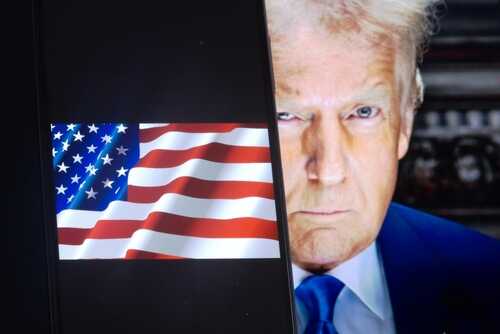
President Trump’s approval rating in urban areas surges amid his decisive crackdown on crime.
Story Snapshot
- Trump’s approval rating in U.S. cities rises to 47%, a +3 net approval.
- National Guard deployments are central to his law-and-order agenda.
- Rising urban support may reshape the 2026 electoral map.
- Legal challenges arise from states opposing federal deployments.
Trump’s Urban Approval Rises
President Donald Trump’s approval rating in U.S. cities has experienced a notable increase, rising to 47% according to the latest TIPP Insights poll.
This shift comes on the heels of an aggressive crime crackdown, with National Guard units deployed to urban areas known for unrest. Such strategies appear to resonate with urban voters who are increasingly concerned about public safety, marking a potential shift in the traditionally Democratic strongholds.
Amid these changes, Trump’s approval among urban voters has climbed from a -25 point low to -14 points, as shown by ActiVote polling from September 2025. This rare boost in urban support could significantly influence the 2026 electoral landscape, suggesting a growing acceptance of Trump’s hard-line policies even among previous opponents.
The focus on security over economic or cultural issues may be redefining political allegiances in America’s largest cities.
Deployment of National Guard Forces
Central to this urban approval surge is Trump’s deployment of National Guard forces to major cities, including Los Angeles, Washington, D.C., Memphis, Chicago, and Portland.
These deployments are a response to escalating unrest and threats, a decision that has faced sharp opposition from state and municipal authorities. In Chicago, the activation of 300 Illinois Guard troops faces legal challenges from state leaders, who argue that such federal actions are unconstitutional and politically motivated.
Despite legal hurdles, federal officials maintain that these measures are necessary to address crime and immigration enforcement pressures. Trump asserts that the troop deployments aim to safeguard federal buildings during these operations, aligning with public sentiment that crime levels in American cities are unacceptably high, a view supported by recent NPR/Ipsos polling.
Public Opinion and Legal Challenges
While Trump’s approval among urban voters shows signs of improvement, polls indicate mixed feelings about his methods. HarrisX polling reveals a slight decline in his urban support since August 2025.
Furthermore, Marist polling indicates a drop in support among voters in big cities but an increase among those in smaller cities. Overall, CBS/YouGov polling shows that a majority of Americans do not support the deployment of the National Guard to U.S. cities, with 61% opposing such actions.
Legal challenges continue to pose obstacles, as evidenced by a federal judge’s temporary blocking of deployments in Portland, citing risks of blurring lines between civil governance and military control.
Despite these challenges, Trump’s administration remains steadfast, arguing that these actions are crucial for maintaining law and order in the face of rising crime and disorder.