

A war that most Americans can’t find on a map in 10 seconds is now deciding whether a child in Somalia gets therapeutic food on time.
Quick Take
- Major aid groups say the Iran war and disruption around the Strait of Hormuz have created the worst humanitarian supply-chain shock since COVID.
- Rerouted shipments add about 10 days and push transport costs up by roughly 20–25%, meaning less medicine and food are delivered per donated dollar.
- Concrete bottlenecks include pharmaceuticals bound for Sudan that were stranded in Dubai and hundreds of boxes of therapeutic food for Somalia that were stuck in India.
- The World Food Program warns the crisis could add tens of millions more people to acute hunger if fighting drags on.
The Strait of Hormuz Is a Humanitarian Chokepoint, Not Just an Oil Story
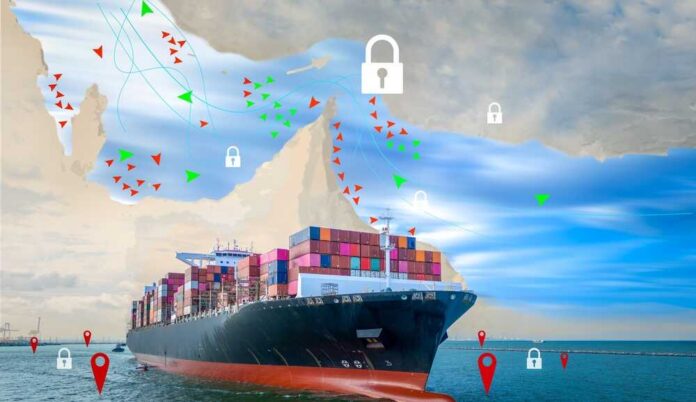
The Strait of Hormuz functions like a global switchboard: flip it off and the consequences show up far beyond gasoline prices. Aid groups report that the Iran war has effectively shuttered critical routes and complicated access to Gulf logistics hubs such as Dubai, Doha, and Abu Dhabi.
The United Nations calls this the most significant supply-chain disruption since COVID, and humanitarian managers now plan shipments the way pilots plan storm diversions: fast, expensive, and never guaranteed.
The first-order effect sounds technical—rerouting cargo—but the second-order effect hits like a budget cut. A 20% jump in transport costs doesn’t just “raise expenses.” It removes capacity.
When organizations pay more for the same container space, they ship fewer vaccines, fewer dialysis supplies, fewer cartons of ready-to-use food. That gap doesn’t stay on a spreadsheet; it lands in clinics, pharmacies, and crowded shelters.
The Paper Cuts Add Up: Delays, Reroutes, and Stranded Pallets
Aid logistics usually succeeds by being boring: predictable schedules, stable insurance rates, routine port handling, and modest fuel costs. War breaks that quiet machinery in a thousand small ways.
The International Rescue Committee reports about $130,000 in pharmaceuticals destined for Sudan stranded in Dubai, with nearly 670 boxes of therapeutic food for severely malnourished children in Somalia stuck in India. The UN Population Fund has delayed sending equipment to 16 countries, a quiet warning that the pipeline itself is kinked.
Aid organizations say the conflict involving Iran is severely disrupting global humanitarian supply chains, delaying food and medical aid to millions and risking a worsening crisis.
Groups report that key routes like the Strait of Hormuz have been effectively shut, while major… pic.twitter.com/FdNJmKw0Ji
— Africalix (@Africa_lix) April 5, 2026
UNICEF’s numbers make the disruption painfully legible. Vaccine deliveries to Nigeria and Iran now rely on mixed land-and-air routes, pushing costs up around 20% and stretching timelines by about 10 days.
Save the Children describes rerouting through Saudi Arabia and the Red Sea, also adding roughly 10 days and raising costs by about 25%. Ten days can be the distance between a controlled outbreak and a crisis, especially when refrigeration windows and clinic schedules don’t wait.
Where the Shortages Bite First: Sudan, Somalia, Nigeria, Iran, Lebanon
The countries named in these warnings already live close to the edge. Sudan faces massive acute food insecurity, and aid groups say more than 90 primary health care facilities risk running out of essential medicines as supplies crawl along longer routes.
Somalia’s humanitarian math is brutal: when transport and food prices rise together, families delay care and ration meals. Iran and Lebanon add a new layer, with large displacement and fresh emergency needs competing for the same disrupted logistics capacity.
Nigeria shows how war-driven energy shocks become medical shocks. Fuel prices there have reportedly surged about 50%, forcing clinics to scale back operations and mobile health teams to reduce services.
This is where common sense matters: a clinic without fuel cannot refrigerate vaccines, run generators, or reach rural patients. High-minded commitments mean little if the last-mile reality—diesel, drivers, tires, security—falls apart. Aid groups can improvise routes, but they can’t repeal physics or economics.
The Next Crisis Hiding in Plain Sight: Fertilizer and the Coming Harvest
The most overlooked threat may not be in clinics at all; it may be in fields. Roughly 30% of the world’s fertilizer moves through the Strait of Hormuz, and countries like Sudan and Kenya import large shares from the Gulf.
If fertilizer costs spike or deliveries stall, planting decisions change immediately. Farmers plant less, switch crops, or abandon inputs altogether. That pushes food prices up months later, when headlines have moved on, and families discover the “real” shortage at market stalls.
The World Food Program warns that if conflict continues through June, as many as 45 million additional people could face acute hunger, on top of roughly 320 million already facing hunger worldwide.
This is the slow-motion part of the story: supply shocks today become malnutrition statistics later. Adults feel it as price inflation; children feel it as stunting. The tragedy is that by the time the numbers arrive, the preventable window has often closed.
Policy Choices and Hard Priorities: When Security Crowds Out Aid
One expert framing cuts through the fog: organizations face “hard choices between defense security and humanitarian aid.” That claim deserves scrutiny, and it tracks with the visible evidence—higher shipping insurance, constrained routes, and aid budgets already weakened by steep U.S. cuts to foreign assistance before this war intensified.
Conservatives don’t have to romanticize foreign aid to see the national-interest angle: when food systems collapse, and disease spreads, instability follows, migration rises, and security burdens grow.
The uncomfortable takeaway is that even when the shooting stops, the supply chain won’t snap back like a rubber band. Aid leaders warn of months of aftershocks as shipping schedules, contracts, and inventories rebuild.
The moral question is obvious; the practical one is sharper: how many lifesaving programs can survive a prolonged era of “longer, costlier, riskier” delivery?
That answer depends less on slogans and more on whether policymakers treat humanitarian access as a strategic necessity rather than a charitable afterthought.
Sources:
https://www.audacy.com/wwl/news/world/ap-ml-mideast-wars-global-aid-1st-ld-writethru