
Two men vanished into ice in 1992; a shrinking Swiss glacier just gave them back.
Story Snapshot
- A hiker found two bodies on the Trift Glacier on July 26, 2026.
- Regional police in Valais recovered the remains and sent them for DNA testing.
- Authorities identified the men as Belgian climbers missing since 1992.
- Retreating glaciers have been uncovering long-missing people across the Alps.
What Police Found On The Trift Glacier
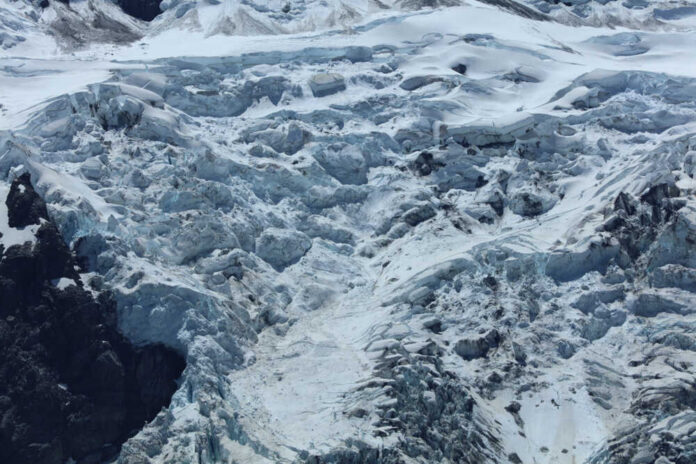
Regional police in the Swiss canton of Valais said a hiker spotted two bodies on the Trift Glacier near the Italian border on July 26, 2026. Officers and mountain specialists recovered the remains and transported them to the Institute of Forensic Medicine at Wallis Hospital in Sion.
Officials then began identification steps. Police framed the discovery as part of standard response when ice releases human remains, which has happened more often as glaciers thin and shift.
A thawing Swiss glacier has given up the bodies of two Belgian climbers who vanished more than three decades ago. Police in the canton of Valais on Wednesday said a hiker spotted… https://t.co/UmLKH15fou
— Newser (@Newser) August 19, 2026
DNA analysis confirmed the remains as two Belgian climbers who disappeared in 1992. Police updates described how the bodies surfaced as the glacier retreated and debris moved downslope, a pattern seen in recent Alpine summers.
News outlets in Switzerland and abroad reported that the identification closed a missing case that had lingered for 34 years, giving families long-sought certainty after decades of silence from the mountain.
Why The Ice Is Giving Up Its Dead
Glaciers hold what they swallow until temperatures, thinning ice, and gravity work together to release it. Scientists and Alpine authorities say more bodies, gear, and even plane wrecks have emerged as the Swiss ice pack recedes.
Similar identifications followed past finds near the Matterhorn, where DNA linked remains to climbers lost in the 1980s. Police and glaciologists expect more discoveries as the melt exposes older ice layers and shifts crevasse fields toward valley floors.
Forensic teams race the clock once remains appear. Sun, wind, meltwater, and sediment can damage soft tissue and scatter bones in days. Best practice is fast recovery, cold storage, and careful documentation to preserve clues about identity and cause of death.
That discipline matters for families and for the public record, which depends on matching personal items and DNA to missing-person files that may be decades old.
Closure For Families, Lessons For Climbers
Authorities focus on identification and next-of-kin notifications, not on rewriting the past climb. Alpine falls, avalanches, crevasse drops, and storms are part of high-mountain risk. That was true in 1992 and is true now. Today’s climbers face a new layer of hazard on “old” routes.
Warming loosens rock, opens hidden cracks, and turns firm snow bridges into traps by midday. Guided teams now start earlier, move faster, and often change seasons or lines to avoid rotten ice and unstable seracs.
The remains of two Belgian climbers who vanished in 1992 have been found in Swiss Alps after a hiker in July reported finding the bodies on the Trift glacier in Switzerland https://t.co/695XjuwUzw
— TRT World (@trtworld) August 19, 2026
Sources:
cbsnews.com, snowbrains.com, nampa.org, 20min.ch