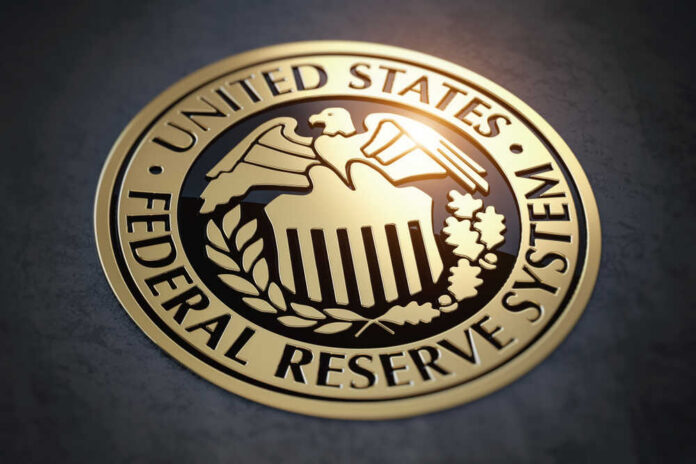
The Federal Reserve’s calm rate decision on April 29, 2026, concealed the deepest internal rift in 34 years, foreshadowing chaos for the incoming chair’s aggressive cut plans.
Story Snapshot
- Fed holds benchmark rate at 3.5%-3.75% in Powell’s likely final meeting, but 8-4 vote marks highest dissent since 1992.
- Three regional presidents dissent against easing-bias language amid five years of above-target inflation.
- One governor pushes for immediate 25-basis-point cut, exposing hawk-dove divide.
- Incoming Chair Kevin Warsh inherits fractured committee, resisting Trump administration’s rate-cut demands.
- Policy uncertainty spikes market volatility and delays relief for borrowers.
Historic Dissent Fractures Fed Unity
Federal Open Market Committee members voted 8-4 on April 29, 2026, to keep the benchmark rate at 3.5%-3.75%. This split matched the divisiveness of October 1992, the last time four dissents surfaced. Cleveland President Beth Hammack, Minneapolis President Neel Kashkari, and Dallas President Lorie Logan rejected the policy statement’s easing bias.
They supported holding rates but opposed signaling future cuts. Governor Stephen Miran dissented alone for a 25-basis-point reduction. Jerome Powell presided over his final meeting before his May 15 term end.
Markets priced in 100% chance of no change, yet the dissent shocked observers expecting consensus. Persistent inflation, exceeding targets for five years, fueled the divide. Geopolitical strains like the war in Iran amplified price pressures.
The policy statement kept vague language on “extent and timing of additional adjustments,” hinting at cuts despite opposition. This fracture reveals hawks prioritizing price stability over growth risks.
Leadership Transition Amplifies Tensions
Kevin Warsh, President Trump’s pick, assumes the chair May 15 amid this discord. Trump demands rate cuts to boost growth, but regional presidents signal resistance. Their hawkish stance aligns with common sense: unchecked inflation erodes savings and rewards spendthrifts.
Dovish Miran worries about slowdowns, yet facts show inflation’s five-year run demands vigilance. Warsh must navigate this power struggle between regional banks and board governors.
Fed holds rates steady but with highest level of dissent since 1992 https://t.co/h4Ro1opaEm
— CNBC International (@CNBCi) April 29, 2026
Powell’s era ends with the Fed in a holding pattern after three 2025 cuts and early 2026 holds. The 11-1 rate vote differed from the 8-4 statement tally—three presidents backed rates but not the dovish wording. This nuance underscores precision in Fed mechanics, where language shapes market expectations as much as numbers.
Stakeholder Motivations Drive Policy Split
Hammack, Kashkari, and Logan embody regional banks’ inflation-fighting tradition. They rejected easing signals, arguing five years of hot prices justify higher-for-longer rates. Miran represents doves fearing recession.
FOMC’s 12 members—seven governors, five presidents—rotate voting, amplifying regional voices. Trump’s influence via Warsh clashes with the Fed’s independence mandate. Common sense favors hawks: inflation hurts working families most.
This divide foreshadows Warsh’s challenges. Regional presidents, often more hawkish, check dovish impulses. Their dissent strengthens resolve against premature cuts, protecting savers who earn from elevated yields. Borrowers face prolonged pain, but curbing inflation prevents 1970s-style stagflation.
Economic Ripples from Policy Standoff
Short-term, volatility surges as markets grapple with unclear signals. Borrowers endure high mortgage and credit costs; savers enjoy bond yields. Businesses delay investments amid uncertainty.
Real estate and construction sectors suffer most from rate sensitivity. Long-term, delayed cuts could temper growth but anchor prices, aligning with fiscal discipline over quick fixes.
Politically, Trump’s cut push meets Fed resistance, testing independence. Warsh inherits a committee unable to unify, extending elevated rates. This benefits retirees and fixed-income Americans, whose purchasing power inflation erodes. Hawkish dissent reflects prudent stewardship, prioritizing stability over election-timed easing.
Sources:
Fed Holds Rates Steady April 30: Highest Dissent Since 1992
Fed holds rates steady, but board vote is most divided since 1992
Federal Reserve leaves interest rates unchanged as Powell’s chairmanship nears end
Fed holds rates steady amid the most dissents in decades – Axios