Jim Whittaker conquered Everest without oxygen, planting the American flag atop the world a decade after its first ascent, then shaped outdoor America before dying peacefully at 97—proving one man’s grit echoes through generations.
Story Snapshot
- First American summited Mount Everest on May 1, 1963, without supplemental oxygen after it ran out.
- Died April 7, 2026, at home in Port Townsend, Washington, surrounded by family.
- Pioneered REI as first full-time employee and later CEO, building an outdoor retail empire.
- Received Hubbard Medal from President Kennedy, symbolizing Cold War-era U.S. triumph.
- Legacy inspires Pacific Northwest climbing culture and conservation stewardship.
Seattle Roots to Everest Summit
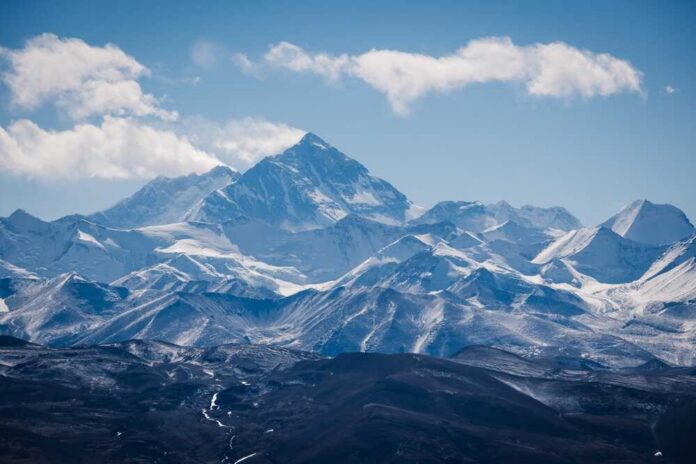
Jim Whittaker entered the world on February 10, 1929, in Seattle, Washington. He grew up amid Pacific Northwest peaks, honing skills that propelled him to global fame. On May 1, 1963, Whittaker summited Mount Everest with Sherpa Nawang Gombu, nephew of Tenzing Norgay.
Their American Mount Everest Expedition, led by Norman Dyhrenfurth, marked the first U.S. success. Fewer than 10 humans had reached the peak before them. They pushed on after oxygen was depleted, planting the U.S. flag at 29,032 feet.
Cold War Triumph and Kennedy Honor
Whittaker’s ascent came ten years after Edmund Hillary and Tenzing Norgay’s 1953 breakthrough. National Geographic backed the expedition amid Cold War rivalries, fueling American exploration pride. President John F. Kennedy awarded him the Hubbard Medal, recognizing raw courage over supplemental aids.
This feat ignited U.S. mountaineering, shifting focus from European dominance to homegrown heroes. Whittaker’s oxygen-less push exemplified self-reliance, a value resonating with American conservative ideals of individual perseverance.
REI Pioneer and Family Legacy
Whittaker joined REI as its first full-time employee, rising to CEO. He transformed the co-op into a conservation powerhouse, promoting outdoor access for everyday Americans. His brother Lou, a famed guide, died at 95, underscoring family dynasty in climbing. Whittaker stayed active with The Mountaineers.
Married to Dianne for over 52 years, he raised sons Bob, Joss, and Leif, plus grandchildren and great-granddaughter Sophie. Port Townsend became his lifelong base, tying him to Northwest stewardship.
Jim Whittaker, first American to reach peak of Mount Everest, dead at 97 https://t.co/5QAr0KHt4O pic.twitter.com/ig3ui1d5iy
— New York Post (@nypost) April 8, 2026
Final Days and Family Tribute
Whittaker died peacefully on April 7, 2026, at his Port Townsend home, surrounded by family. Son Leif confirmed details to The New York Times. The family statement read: Jim lived an extraordinary life devoted to adventure, stewardship, service, and family—a milestone that inspired generations.
Announcements hit April 8 via media and family channels. Tributes poured from Seattle outlets, marking the end of an era without funeral specifics reported.
Enduring Impact on Climbing and Culture
Whittaker’s death prompts REI and Mountaineers tributes, reinforcing his role in Pacific Northwest outdoor life. Short-term, communities mourn a legend; long-term, his story motivates climbers. Socially, his 1960s success boosted national pride and shaped retail.
Experts hail him as Seattle’s mountaineering icon who sparked America’s movement. Uniform praise highlights stewardship balancing adventure—common sense priorities for sustainable pursuits. His passing spotlights aging pioneers, spurring safety and conservation talks.
Sources:
Jim Whittaker, first American to reach summit of Mount Everest, dies at 97
Seattle mountaineering legend Jim Whittaker, first American on Everest, dies at 97