

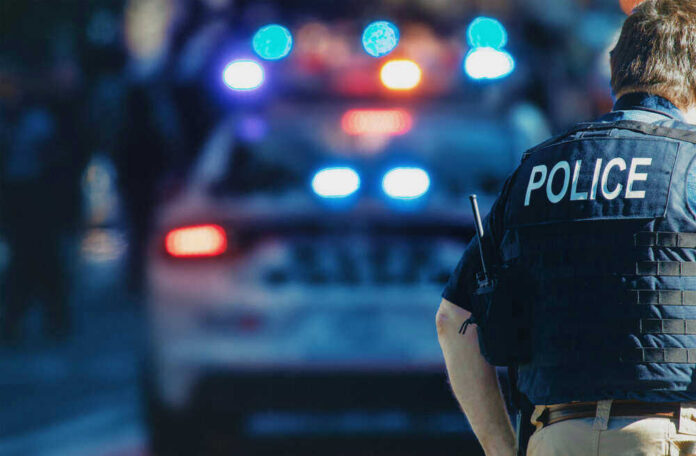
An NYPD sergeant faces up to 25 years in prison for a split-second decision to stop a drug suspect fleeing recklessly on a motorized scooter—a case that exposes how law enforcement officers are prosecuted for improvising under pressure while criminals endanger innocent lives.
Story Snapshot
- NYPD Sgt. Erik Duran threw a cooler at Eric Duprey, who was fleeing a drug bust on a motorized scooter at 30 mph down a Bronx sidewalk, causing fatal head injuries when Duprey crashed
- Duran testified he acted to protect fellow officers and civilians from imminent collision, while prosecutors claim he had time to warn instead of using deadly force
- The rare bench trial handled by New York’s Attorney General could set a precedent for prosecuting officers who improvise tactics during dangerous pursuits
- Black Lives Matter activists are demanding maximum sentencing, while the defense argues the reckless drug dealer created the deadly situation himself
Split-Second Decision Under Prosecution
NYPD Sgt. Erik Duran, 38, testified that he threw a plastic cooler containing ice, water, and sodas at Eric Duprey on August 23, 2023, because the suspect was barreling toward officers and civilians on a sidewalk at approximately 30 mph. Duran stated, “He was gonna crash into us… I didn’t have time” to issue a warning.
The cooler struck Duprey’s helmetless head, causing him to crash into a tree and pavement, resulting in fatal blunt force trauma with brain matter exposed. Duprey, a 30-year-old father of three and delivery worker, had just sold drugs to an undercover officer during a Bronx narcotics sting operation.
Prosecution’s Case Against Officer Improvisation
New York Attorney General prosecutors argue Duran’s actions were intentional, reckless, and negligent—not a necessary response to an imminent threat. Prosecutor Joseph Bianco contended that Duran had sufficient time to grab the heavy cooler, meaning he also had time to shout a warning instead of resorting to deadly force.
The prosecution characterizes the decision as an attempt to “save an arrest” rather than protect lives, emphasizing that Duprey posed no direct threat to the plainclothes officers. Duran faces charges of manslaughter, criminally negligent homicide, and assault in a bench trial before a Bronx judge, with no jury involved—a format typical for cases prosecuted by the Attorney General’s office involving police-related civilian deaths.
NYPD sergeant testifies he feared drug suspect ‘was going to kill my guys’ before fatal cooler throw https://t.co/I5ZlTHjw0f pic.twitter.com/GxIkDYo0Xw
— New York Post (@nypost) February 3, 2026
Defense Highlights Suspect’s Reckless Choices
Duran’s defense team frames the incident as a textbook example of an officer improvising under life-threatening conditions created entirely by the suspect’s illegal actions. The defense emphasizes that Duprey was operating an illegal motorized vehicle on a pedestrian sidewalk at high speed, without a helmet, while fleeing from a legitimate drug arrest.
Defense attorneys argue that officers “improvise all the time” in dynamic situations and that Duran’s choice prevented what could have been multiple casualties, stating they would otherwise “bury two detectives and a civilian.”
After the collision, Duran immediately attempted to render aid, asking Duprey if he could hear him while EMTs and responding officers arrived on scene, as captured on bodycam footage.
Broader Implications for Law Enforcement
This case reflects growing tensions between police accountability demands and the reality of split-second decision-making in dangerous pursuits. Black Lives Matter Greater NY activists rallied outside the courthouse, calling the incident a “heinous crime” and demanding the maximum 25-year sentence, framing it through a racial justice lens despite the operational context of a narcotics sting.
The verdict could establish precedent for how the Attorney General prosecutes officers who use improvised tactics during pursuits of fleeing suspects on illegal motorized vehicles in urban pedestrian areas.
A conviction could create a chilling effect on NYPD officers’ willingness to act decisively when suspects endanger public safety, potentially forcing departments to tighten use-of-force guidelines and restricting officers’ ability to improvise during rapidly evolving threats on city streets.
Closing arguments concluded Tuesday in Bronx Supreme Court, with a verdict expected soon. The outcome will signal whether New York prioritizes protecting officers who make difficult tactical decisions under pressure or holds them criminally liable for outcomes resulting from suspects’ own dangerous choices.
Duprey’s mother testified briefly, confirming her son’s identity and expressing her loss in Spanish, while seeking justice for his death. The trial has drawn significant attention due to the unusual weapon—a cooler—and the surveillance and bodycam video evidence documenting the four-hour scene processing that followed the fatal crash in the Bronx’s Melrose neighborhood.
Sources:
New York police officer charged in cooler throw death says he was trying to protect colleagues
NYPD sergeant on trial for manslaughter in Eric Duprey death
New York City police sergeant who hurled plastic cooler at fleeing motorcyclist charged in his death