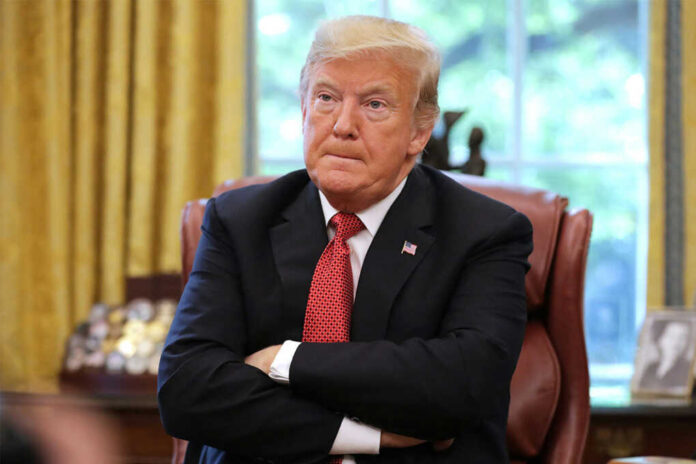
A shift in immigration enforcement tactics marks a new chapter as President Trump repositions leadership amidst backlash.
Story Highlights
- Border Patrol Chief Greg Bovino and agents are to exit Minnesota, marking a strategic shift.
- Trump’s negotiation with Gov. Tim Walz prompts a retreat following local tragedies.
- A move towards collaboration over confrontation in Trump’s immigration policy.
- Tom Homan to assume leadership, signaling a tactical change.
Trump’s Immigration Strategy Shift
In a notable development, Border Patrol Chief Greg Bovino and several federal agents are set to leave Minnesota starting January 27, 2026. This decision follows discussions between President Trump and Governor Tim Walz, highlighting a scaling back of intensified immigration enforcement.
The decision comes in the wake of backlash over recent fatal shootings of two residents by federal agents, signaling a pivot from confrontational tactics to a more collaborative approach.
This withdrawal marks a significant departure from Bovino’s prior high-profile deployments in cities like Los Angeles, Chicago, and New Orleans. Unlike those operations, the Minnesota situation involves a rapid withdrawal driven by state-federal dialogue and local incidents.
Trump’s decision to deploy former ICE Director Tom Homan to Minneapolis suggests a strategic shift in enforcement tactics, potentially tempering the aggressive “turn and burn” raids previously advocated by Bovino.
Local and National Reactions
Governor Tim Walz has welcomed the reduction of federal presence, emphasizing the importance of state-federal collaboration and independent investigations into the shootings. Minneapolis Mayor Jacob Frey confirmed the agent’s exit, prioritizing local safety amidst ongoing protests.
The federal response, described as “targeted and legal” by Bovino, faced criticism from Minnesota’s Democratic leadership, reflecting broader tensions over immigration enforcement in blue states.
Border Patrol commander Gregory Bovino is expected to leave Minneapolis on Tuesday, according a person familiar with the matter, as the Trump administration reshuffles leadership of its immigration enforcement operation and scales back the federal… https://t.co/BKBDQ6B9dc
— The Washington Times (@WashTimes) January 27, 2026
President Trump has expressed alignment with Governor Walz, acknowledging the need for adaptive strategies. This shift could slow mass deportations in states that comply with federal protocols, offering a more nuanced approach to immigration policy under Trump’s administration.
Implications for Immigration Enforcement
The departure of Bovino and the appointment of Tom Homan signify a recalibration of Trump’s immigration strategy. This change is expected to have immediate effects in Minnesota, alleviating tensions and protests in the short term. Long-term, it suggests a flexible approach tailored to local compliance and cooperation, potentially influencing nationwide immigration enforcement practices.
As the situation develops, stakeholders across the board—from local residents and immigrant communities to federal agencies—will be closely monitoring the impact of these changes. The outcome of this strategic shift holds implications for future enforcement models and the balance between federal and state roles in immigration matters.
Sources:
Border Patrol head Bovino and some agents leaving Minnesota