Florida’s dengue surge hit 485 locally acquired cases by October 24, the state’s highest in decades.
Story Snapshot
- Florida added 60 local dengue cases in one week, bringing the statewide total to 485.
- Tampa Bay counties drove most new infections, with spread across multiple counties.
- Health officials classify “local” cases as those with no recent travel to dengue-risk areas.
- Current totals far exceed recent Florida years and point to wider mosquito risk.
Florida’s Case Count Jumped Fast And Broad
Florida health officials reported 60 new locally acquired dengue infections in a single week, pushing the statewide count to 485 as of October 24. That pace reflects active transmission across multiple counties, not a single cluster. Tampa Bay led much of the rise, with Hillsborough and Pinellas adding most of the cases in the latest update. The Florida Department of Health’s weekly surveillance confirms the total and the week-over-week jump, marking the state’s largest dengue outbreak in decades.
Reporters and disease-tracking centers put the spike in context: this year’s total dwarfs last year’s count and recent norms, which were far lower. Analysts at the Center for Infectious Disease Research and Policy called it the highest in decades, based on the official surveillance tallies. Local health departments continue to warn residents to drain standing water, use repellent, and screen windows. Those simple steps remain the first line of defense when the mosquito season stays hot and wet.
What “Locally Acquired” Means And Why It Matters
Local dengue infections are those people catch from mosquitoes in their own community, without recent travel to dengue-risk areas. Public health uses that definition to separate importations from homegrown spread, which guides where to send inspectors, trucks, and lab resources. The Centers for Disease Control and Prevention explains that consistent case definitions help officials compare data across counties and states, and trigger stronger responses when multiple areas report local transmission. Clear definitions keep everyone focused on the right neighborhoods.
That focus matters for resource stewardship and common sense. Taxpayers expect targeted action, not blanket panic. When officials spot local spread, they can alert specific blocks, spray known breeding sites, and test more people nearby. That approach protects families while respecting daily life and business. It also reflects a basic conservative value: use precise data to drive efficient, local solutions instead of broad, costly mandates that miss the mark.
How Florida Reached These Levels This Year
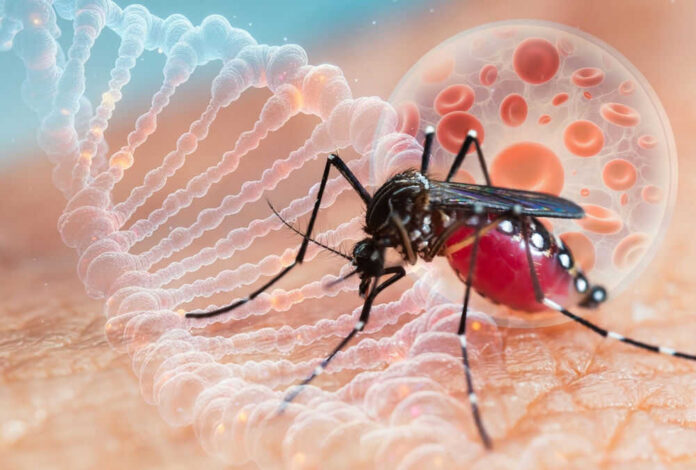
Dengue does not start in Florida by magic. Travelers bring the virus home from places where dengue circulates. Local mosquitoes then bite an infected person and pass the virus to others. Researchers and the University of Florida outline this chain clearly: one infected traveler can spark neighborhood spread when Aedes mosquitoes are active, and people leave water standing in yards. That pattern helps explain why counties with heavy travel ties and dense housing often see faster flare-ups once mosquitoes gain a foothold.
Florida’s current totals also fit a longer arc. Modern local dengue transmission reappeared in Key West in 2009 after many quiet years, with repeat clusters since then. Recent national data show Florida, California, and Texas can all see local cases when conditions line up. This year stacked the deck: warm weather, steady rain, and high travel volumes to and from the Caribbean and Latin America. Those inputs helped small sparks become larger chains before cool nights slowed the mosquito cycle.
What To Watch Next, And What Households Can Do Now
Counties will keep tracking cases and mosquito pools, then adjust spraying and outreach. Residents should expect more block-by-block alerts rather than blanket warnings. That is effective and fair. Health officials urge people to dump standing water twice a week, treat birdbaths, clear gutters, and repair screens. Anyone with fever, headache, eye pain, or joint pain after a mosquito bite should call a doctor and avoid more bites to break the chain of spread. Timely testing helps target crews quickly.
The bottom line is simple. Florida has documented 485 locally acquired dengue cases, a scale not seen in recent decades. The jump from the prior week shows active community spread in several counties, led by the Tampa Bay area. Clear case rules explain what “local” means and why rapid, local responses matter. Families can cut risk with basic steps today. Draining water and stopping bites turn a statewide headline into a controllable backyard job that protects your block.
Sources:
foxnews.com, tallahassee.com, floridatoday.com, wusf.org, cdc.gov, cidrap.umn.edu, nbcmiami.com