

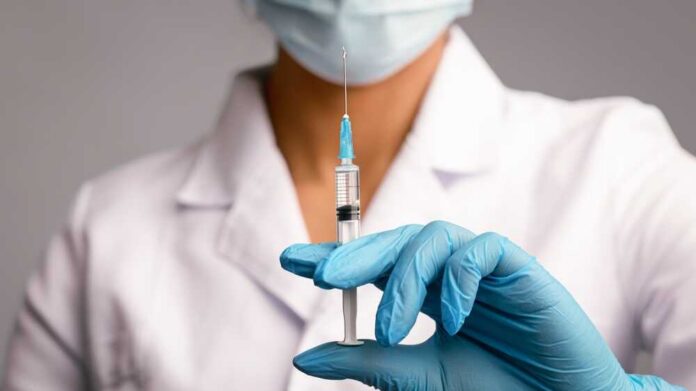
A personalized mRNA vaccine, added after melanoma surgery, cut the risk of the cancer coming back or causing death by 42% in a randomized Phase 3 trial.
At a Glance
- Phase 3 trial showed a 42% lower risk of recurrence or death vs. standard care alone.
- Distant spread or death fell by 38%, a key measure for long-term control.
- Therapy pairs a custom mRNA vaccine with pembrolizumab after surgery.
- Five-year Phase 2b follow-up earlier pointed in the same direction.
What The Trial Proved And Why It Matters
Merck and Moderna reported results from INTerpath-001, a global, randomized, double-blind Phase 3 study. The trial tested a personalized mRNA vaccine, called intismeran, combined with pembrolizumab, against pembrolizumab alone in patients with high-risk melanoma after complete surgery. At a median of 24.6 months, the combo reduced the risk of recurrence or death by 42% (HR 0.58; P < .001), showing strong statistical significance.
The study also met its key secondary target. The risk of distant metastasis or death dropped by 38%, with a hazard ratio of 0.62 and a P value of.002. Preventing distant spread matters because once melanoma seeds other organs, the stakes jump fast. This endpoint tracks closely with patient outcomes in melanoma. It often signals better overall control over time, based on prior work linking recurrence and metastasis measures to survival across tumor types.
How The Personalized Vaccine Works In Practice
The therapy is not a one-size-fits-all shot. Teams sequence each patient’s tumor after surgery, predict unique targets, and encode them in an mRNA vaccine designed for that individual. Doctors then give the vaccine alongside pembrolizumab, an immune checkpoint medicine that helps T cells attack cancer. The design aims to teach the immune system what to hunt, then remove the cancer’s “brakes” so those T cells can finish the job before microscopic disease can return.
The trial’s head-to-head setup sharpened the question that matters to patients. Both groups received pembrolizumab. Only one group got the custom mRNA vaccine on top. The 42% figure reflects the added effect of the vaccine regimen over the standard immunotherapy alone. That direct comparison reduces guesswork about whether any benefit comes from pembrolizumab or the new component.
What The Earlier Data Hinted, And What Comes Next
An earlier, smaller study pointed in the same direction. In a Phase 2b trial with longer tracking, the combo showed a 49% lower risk of recurrence or death and a 59% lower risk of distant spread or death compared with pembrolizumab alone at five years. Those results supported moving to a large Phase 3 trial and raised hopes that early gains could last.
A personalized mRNA vaccine known as intismeran, developed jointly by Moderna and Merck, has demonstrated significant success in a late-stage clinical trial for patients with high-risk melanoma.
The Phase 3 INTerpath-001 study enrolled 1,137 individuals whose stage IIB to IV… pic.twitter.com/w8CvnTNiuW
— Trilok Chand (@trilokpchand) October 26, 2026
One note on numbers is key for real-world choices. The 42% improvement is a relative drop, expressed as a hazard ratio. It doesn’t tell us the absolute number of recurrences prevented. Patients and doctors will still want to see the full report with survival curves and event counts. That detail helps translate a headline into a personal decision plan without hype or confusion.
Why This Fits The New Playbook In Cancer Care
Oncology has shifted toward treating patients after surgery to stop cancer from coming back. Trials in this “adjuvant” setting use measures like recurrence-free survival and distant metastasis-free survival because they read out faster than overall survival. These measures can track long-term outcomes in melanoma, giving an early, practical signal to guide care and industry investment while longer follow-up matures.
Manufacturing at scale will test the model. Each dose is built for one person, which can mean weeks from biopsy to vaccine delivery. Health systems will need to move tissue, sequence fast, and deliver shots without delaying care. Policymakers and payers will watch costs and access closely, because these operational facts can shape who benefits, even when the science is strong.
Bottom Line For Patients And Clinicians
For people with high-risk melanoma after surgery, adding a personalized mRNA vaccine to pembrolizumab cut the chance of the cancer returning or causing death by nearly half at about two years. The combo also reduced the risk of the cancer spreading far from its original site. Those are hard endpoints, tested in a rigorous, masked trial. Full data will show the size of the absolute benefit and safety trade-offs, but the direction is clear and encouraging.
Sources:
abcnews.com, merck.com, dermatologytimes.com