
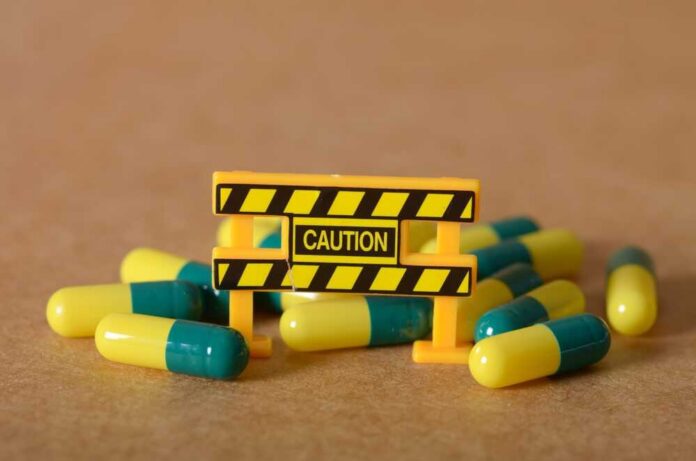
Utah officials say four Utahns died after taking mislabeled “cat’s claw” and kratom-related products that contained illegal, lab-altered opioid-like chemicals.
Story Snapshot
- State health and agriculture agencies tied four deaths to semi-synthetic kratom compounds.
- Investigators flagged products sold as “cat’s claw,” marketed as kratom-free, at smoke shops and gas stations.
- The named chemicals act like opioids and are illegal in Utah, with recent federal attention.
- Officials urged consumers to avoid suspect products and report adverse events.
What Utah Says Happened
The Utah Department of Health and Human Services issued an urgent warning. The agency linked four deaths to high-potency, illegal compounds found in herbal supplements, including kratom products and tablets labeled “cat’s claw”. Officials named two kratom-derived chemicals: mitragynine pseudoindoxyl and dihydro-7-hydroxymitragynine, also called MGPI and MGM-15 in public reports. Utah considers these compounds illegal. The warning explains they act like opioids and can cause addiction, overdose, and death. The alert asks the public to stop using and report suspect products.
The Utah Department of Agriculture and Food said products under investigation were sold in Utah retailers, often as “kratom-free” herbal boosters. One brand, Buzzers Cat’s Claw, drew scrutiny after a death and several severe health incidents were linked to tablets that allegedly contained illegal kratom alkaloids. State officials moved to pull known lots and coordinate with law enforcement. That is standard when regulators see a cluster of serious outcomes and potential misbranding that hides a banned active compound.
The Compounds And Why They Matter
Mitragynine pseudoindoxyl and dihydro-7-hydroxymitragynine are not the raw plant. They are altered or concentrated kratom-derived chemicals that bind opioid receptors much more strongly than typical kratom leaf. That potency raises overdose risk, especially without clear labels or dosing. Utah’s warning states these chemicals can shut down breathing like other opioids. Officials also noted that naloxone can reverse an overdose from these compounds when given in time. That is consistent with opioid mechanisms and informs first responder guidance.
Regulators focused on these agents because the market has drifted from tea-like powders to designer tablets. Some sellers claim “herbal” while chasing a faster, stronger effect. That invites mislabeling and contamination. The line between a supplement and a street drug blurs when a tablet hides a potent, semi-synthetic opioid-like agent. Consumers who think they bought a mild botanical instead face a high-potency risk curve. Utah’s move signals a push to shut that door before more families get the late-night call.
What The Company Materials Claim
Buzzers’ own website says the product does not contain kratom and instead uses an indole alkaloid extracted from the cat’s claw plant to mirror kratom effects. Retail pages repeat that claim and stamp on disclaimers like “not a dietary supplement” and “not intended to diagnose, treat, cure, or prevent disease”. A news report cites a posted lab test that stated no detectable MGM-15 in the product. Those statements aim to answer the charge that the tablets held illegal kratom chemicals.
Four deaths in Utah have been linked to potent semi-synthetic kratom compounds, state officials say. https://t.co/LpJzTyKi67
— NBC News (@NBCNews) October 7, 2026
The state’s position relies on investigations and testing tied to actual cases. Agency warnings carry weight because they name the dates, substances, and products involved. The company’s broad claims and a single referenced lab report do not settle the matter. The facts that matter most are what was in the tablets linked to the deaths, what the labels said, and whether the sellers followed Utah law. Common sense and conservative values line up here: truth in labeling, no hidden drugs in “herbal” tins, and swift action when public safety is at stake.
How This Fits The Bigger Pattern
Kratom debates often splinter into three buckets: the plant itself, adulterated products, and mixes with other drugs. Reviews of past cases show most reported deaths involve other substances or spiked products, not tea-grade leaf alone. Utah’s warning targets that middle bucket. The state is not arguing a cup of kratom tea did this. Officials say illegal, high-potency kratom-derived chemicals in mislabeled products drove fatal outcomes. That track record matches prior alerts where contamination or chemical tweaking caused the harm, not the raw plant.
Policy follows a simple rule: regulate to the risk. If sellers hide opioid-like compounds behind a friendly herb, regulators should pull product, test lots, and prosecute fraud. If honest vendors sell plain leaf with clear labels and age checks, craft rules can protect access while blocking bad actors. That is the point of consumer protection frameworks that target adulteration and misbranding without banning every leaf. Utah’s signal is clear: potency games in the shadows will not stand.
What To Do Now
Consumers should avoid any “cat’s claw” or kratom-like tablets that promise a quick high or “kratom-free” buzz. Return or discard suspect products. Keep naloxone at home if anyone uses high-risk substances. Call poison control if symptoms appear: slowed breathing, blue lips, or unresponsiveness. Report products and lot numbers to state officials so they can trace supply chains. Families deserve straight labels, simple choices, and products that match the box. Nothing less is acceptable when a pill can stop a heartbeat.
Sources:
nbcnews.com, dhhs.utah.gov, ag.utah.gov, standard.net, kutv.com, ground.news, ksl.com, newsbreak.com, thegreendragoncbd.com, deseret.com, kures.co, burmanshealthshop.com, kslegislature.gov, pmc.ncbi.nlm.nih.gov, cdc.gov