

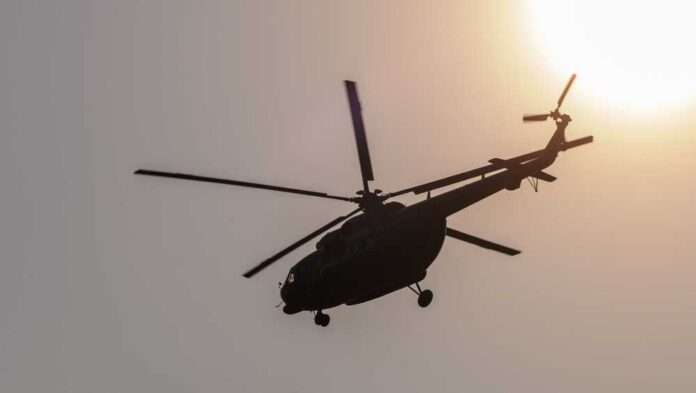
Two people died and a third vanished after a medevac helicopter plunged into the Pacific minutes after leaving Catalina Island.
At a Glance
- Officials said five people were on board the medical helicopter when it went down near Avalon.
- Los Angeles County Fire confirmed two deaths at the scene.
- Two survivors were pulled from the water and taken to mainland hospitals.
- One person remained missing as a multi-agency search continued into the night.
Confirmed Timeline And Core Facts
Los Angeles County officials reported a medevac helicopter crashed into the ocean off Catalina Island shortly before 8 p.m. The aircraft had just departed near Avalon when it went down.
Los Angeles County Fire, the United States Coast Guard, the Los Angeles County Sheriff’s Department, and Avalon Fire responded.
Crews reached the scene by boat and air and began rescue operations under fading light. Dispatch logs and reports placed the first alerts around 7:50 p.m. local time.
Authorities said five people were aboard. Rescuers pulled multiple occupants from the water. Two people died at the scene. Two survivors were transported to hospitals on the mainland.
One person remained unaccounted for as search boats and helicopters worked offshore through the night. The Los Angeles County Supervisor for the district acknowledged the crash and the ongoing response, urging prayers for those on board.
Who Responded And What They Found
Los Angeles County Fire officials coordinated with the United States Coast Guard and the Los Angeles County Sheriff’s Department to secure the crash area and search the debris field. The Coast Guard deployed air and surface assets to sweep the shoreline and open water.
Local Avalon Fire crews joined the effort near Pebbly Beach. The unified command confirmed two fatalities after crews recovered bodies from the water. Two survivors were stabilized and moved to hospitals. The fifth person remained missing after nightfall.
Media briefings and live updates underscored a fast-moving scene with difficult conditions. Rescuers had to balance speed with safety as darkness set in and currents spread debris. Night operations over cold water carry high risk for both victims and first responders.
Operator Statement And Flight Purpose
REACH Air Medical Services said one of its helicopters was involved. The company expressed concern for those on board and said it would work with authorities. The aircraft was on a medical mission, commonly called a medevac flight.
These flights move patients or respond to medical emergencies on islands, mountains, and remote areas that lack easy ground access. Catalina’s terrain and separation from the mainland make air medical transport a common and often lifesaving link.
Officials did not release the names of the victims. Authorities did not provide final details about the patient status, the exact roles of each occupant, or the receiving hospitals. That restraint is standard while next-of-kin notifications and medical privacy rules apply.
Early reports on survivor conditions can vary until hospitals confirm intake and stabilization. Agencies also avoid speculating about the cause while investigators secure the wreckage and interview witnesses.
Why Medical Helicopter Crashes Happen More Often At Night
Federal reviews of medical helicopter accidents show a stubborn pattern. A small slice of all helicopter flights accounts for a large share of fatal crashes.
The common threads include night operations, over-water routes, fast-changing weather, pressure to launch for urgent care, and challenging pickup sites.
Investigators have urged tighter risk checks, stricter weather minimums, better pilot training, and improved dispatch discipline to slow the trend.
GOOD morning,
LIFE SAVING EMERGENCY
California Helicopter Crash
A Medical helicopter crashed off the Coast of Catalina Island, California. Two people died in the Tragic Ocean crash. Two other passengers sustains injuries.
RESCUE Crews are still looking for one missing— MariaSantiagoNow (msnow) (@mariecheito) October 1, 2026
Water, wind, and darkness near Catalina sharpen those known risks. A night takeoff into black ocean can strip away visual cues and make a minor issue far worse in seconds.
That is not a blame claim about this flight; it is a reminder drawn from many cases that align with common sense and a duty-of-care mindset that values every life on board.
What Comes Next In The Investigation
Investigators will likely map the debris field, recover major components, and review flight tracking if available. They will pull operator maintenance logs, pilot records, and dispatch notes.
They will seek radio calls, 911 audio, and Coast Guard search data to lock down the minute-by-minute timeline. Medical examiner findings will confirm identities and causes of death. A preliminary update usually arrives within days, while final findings often take months.
Sources:
latimes.com, ktla.com, abc7.com, abcnews.com, kcra.com, thenationaldesk.com