
Americans are now financing rent, groceries, and medical bills with short-term installment loans—at national scale.
Story Snapshot
- Sixteen percent of U.S. adults used buy now, pay later in 2025, per the Federal Reserve.
- Federal Reserve analysts estimate about $160 billion in these loans were originated in 2025.
- Surveys show users are applying the loans to essentials like rent, food, utilities, and care costs.
- Major lenders now market rent-splitting products, moving BNPL beyond retail checkout.
BNPL Has Shifted From Checkout Perk To Everyday Credit
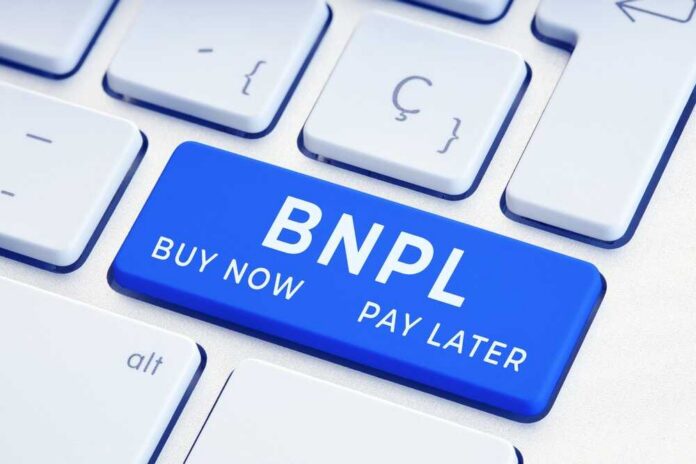
The Federal Reserve reports that sixteen percent of all adults used buy now, pay later in 2025, confirming mainstream adoption and a sharp rise from pre-2020 levels. Federal Reserve research describes these loans as a way to get goods or services now and spread payments over time.
That framing matches how consumers use it. What began with online carts now shows up in the grocery aisle, at the auto shop, and even on the first of the month, when rent is due.
People are turning to BNPL loans to pay for rent, food and other necessities. Now, financial firms are also pushing the loans as a means for people to cover essential expenses. https://t.co/MnD940MaLD
— CBS News (@CBSNews) September 2, 2026
Scale now rivals legacy credit categories. Federal Reserve economists estimate providers originated close to $160 billion in 2025 through short-term installment products, including models that go beyond the classic “pay in four” plan.
That figure helps explain why retailers, landlords’ service platforms, and bill-pay intermediaries keep adding buy-now, pay-later options. The market has the size, the growth, and the user demand to warrant deeper integration.
Evidence Shows Essentials Are A Real And Rising Use Case
Survey data cited by major outlets shows a meaningful share of users deploy buy now, pay later for basics. A national survey reported that 13% of these borrowers paid rent with the loans, and 18% covered car repairs or maintenance—both expenses that do not wait for payday.
It was highlighted that nearly one-quarter of surveyed users reported using buy now, pay later for medical, dental, or veterinary bills or for rent—core essentials that strain monthly budgets.
Product design now targets recurring bills. Affirm piloted a rent-splitting feature with a property-payment partner, while Flex markets loans that break up rent, utilities, phone, internet, and car payments. These are not theoretical offerings; they are live channels that convert large, fixed bills into chunks.
That shift matters. When platforms normalize financing the basics, more households treat buy now, pay later like a line of credit for daily life rather than a one-time retail boost.
Why Households Reach For BNPL Before Payday
Households choose these loans because they are fast, often interest-free for short terms, and feel simpler than a credit card. Approval relies on limited checks, repayment dates map to pay cycles, and the app experience is quick.
That convenience meets a hard truth: many families juggle higher prices and unstable cash flow. Spreading a $300 grocery run or a $1,600 rent bill over weeks can prevent overdrafts and late fees, even if it adds another payment to track.
People are turning to BNPL loans to pay for rent, food and other necessities. Now, financial firms are also pushing the loans as a means for people to cover essential expenses. https://t.co/MnD940MaLD
— CBS News (@CBSNews) September 2, 2026
Spreading costs can make a tight month smoother. Stacking loans can trip a borrower next month. The best practice is simple: know the total owed, know the due dates, and do not turn a short bridge into a long habit. When lenders push buy now, pay later for recurring essentials, transparency and limits matter as much as access.
What To Watch As BNPL Moves Into Bills And Rent
Two markers should guide policy and household choices. First, monitor repayment health as buy now, pay later touches larger, recurring obligations.
Missing a fashion payment is one thing; missing rent or utility installments risks compounding fees and service disruption.
Second, demand plain-language disclosures that show total cost, calendar dates, and consequences for missed payments. The market’s growth and use for essentials are established; the question now is whether design choices support long-term stability.
Sources:
cbsnews.com, cnbc.com, federalreserve.gov, richmondfed.org