
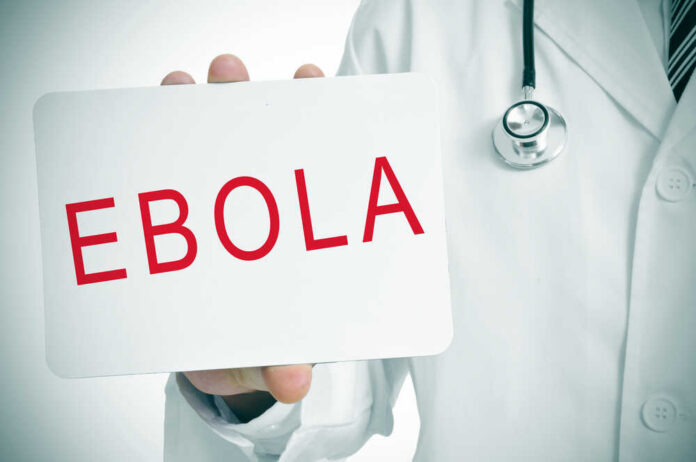
A 37-year-old man returning from the Democratic Republic of Congo is now isolated in a São Paulo hospital under Ebola suspicion — and the tests are not back yet.
Story Snapshot
- São Paulo health authorities isolated a man with fever and recent travel to the Congo, where an active Ebola outbreak has surpassed 1,000 suspected infections and 240 deaths.
- One preliminary test pointed to meningitis, but Ebola had not been ruled out as of initial reporting, with definitive results expected within 48 hours.
- The World Health Organization reported five recoveries from the current Congo outbreak, a rare piece of good news given the Bundibugyo strain involved has no approved treatment or vaccine.
- Early reporting claimed two possible Brazilian patients, but available sourcing only substantiates one confirmed suspected case — a factual gap worth watching as the story develops.
What Triggered the São Paulo Isolation
A 37-year-old man who had recently visited the Democratic Republic of Congo arrived back in Brazil symptomatic with fever and was admitted to the Instituto de Infectologia Emílio Ribas in São Paulo. [2]
São Paulo health authorities launched the investigation as a precautionary measure while awaiting laboratory results, in accordance with standard protocol for any traveler presenting with fever and a history of exposure in an active Ebola outbreak zone. [2]
The patient was placed in strict isolation at a facility specifically designated for suspected or confirmed hemorrhagic fever cases. [1]
Ebola surge has reached Brazil, experts fear as outbreak kills 250 in central Africa and aid struggles to keep up https://t.co/fCPWNynl1o
— Daily Mail (@DailyMail) May 31, 2026
What makes this case clinically complicated is that one exam returned a finding consistent with meningitis, yet Ebola was not formally excluded. [2]
That is not a contradiction — Ebola’s early symptoms, including fever, headache, and fatigue, overlap significantly with meningitis, bacterial sepsis, malaria, and other febrile illnesses common in travelers.
Public health protocol requires that isolation and testing continue until the high-consequence diagnosis is definitively ruled out, regardless of any other findings that emerge first. That is not panic; that is sound epidemiology.
The Congo Outbreak Behind the Alarm
The reason any febrile traveler from the Democratic Republic of Congo triggers immediate Ebola protocols right now is straightforward: the outbreak there has grown explosively.
More than 1,000 suspected cases and over 240 deaths have been recorded, and the current circulating strain is the Bundibugyo species of Ebola, for which no approved treatment or vaccine currently exists. [3]
The World Health Organization did report that five patients recovered and were discharged from care, which the WHO chief described as meaningful progress — but recoveries in an outbreak of this scale do not signal containment. [7]
The Bundibugyo strain detail matters. Most public awareness of Ebola is shaped by the 2014 West Africa outbreak, which involved the Zaire strain and carried a case fatality rate above 60 percent in some settings.
Bundibugyo has historically shown lower fatality rates, but the absence of an approved therapeutic or vaccine means clinicians are managing patients supportively, making early identification and isolation even more critical to survival outcomes. [7]
Why the Patient Count Discrepancy Deserves Scrutiny
Early framing of this story referenced two possible Ebola patients in Brazil. The sourcing available confirms only one — the 37-year-old man in São Paulo. [4]
No second patient is named, located, or described in any of the substantiated reporting. This kind of numerical discrepancy is common in early outbreak coverage, where wire summaries and broadcast reports compress and sometimes duplicate information before official case counts are published.
It does not mean a second patient does not exist, but it does mean the claim is unverified and should not be treated as an established fact until São Paulo health authorities release an official case bulletin. [3]
🦠Brazil identifies 2 possible Ebola patients, as WHO reports some recoveries in Congo
A 37-year-old man from the Democratic Republic of the Congo, where the outbreak has been concentrated, "exhibited symptoms such as fever, meeting the definition of a suspected case" of Ebola,…— Martha-JD, MBA, PCC-😷🇺🇦 (@mryoung151) May 31, 2026
This is the predictable friction point between public health communication and media coverage of potential outbreaks. Officials isolate and investigate because the cost of missing an Ebola importation is catastrophic.
Journalists report on the investigation because the public has a legitimate interest in knowing the facts. But the gap between “under investigation” and “confirmed case” gets lost in headlines, and that compression breeds either unnecessary fear or, when the case is later ruled negative, misplaced cynicism about whether the alert was warranted.
Both outcomes undermine public trust in the institutions doing the actual work of containment. São Paulo’s response, based on the available reporting, appears to be procedurally correct. [5]
The investigation was precautionary, the isolation was immediate, and the lab process was underway. [2] That is exactly what a functioning public health system is supposed to do when a traveler walks in from an active outbreak zone with a fever.
Sources:
[1] Web – Brazil identifies 2 possible Ebola patients, as WHO reports some …
[2] YouTube – Brazil is investigating a suspected case of Ebola in São Paulo.
[3] YouTube – Patient suspected of having Ebola is hospitalized in São Paulo
[4] Web – Brazil investigates suspected Ebola case in traveller returning from …
[5] Web – Brazil Investigates Suspected Ebola Case in 37-Year-Old Congo …
[7] Web – Brazil: Man who returned from Congo hospitalized in isolation …