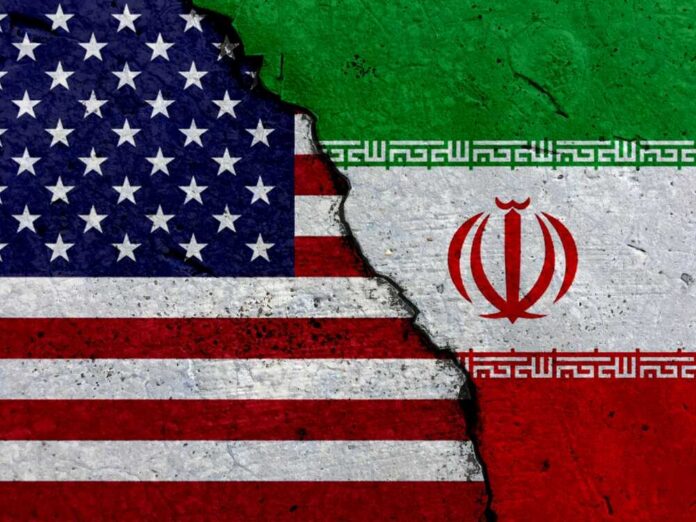
Iranian missile and drone strikes inflicted billions of dollars in damage to American military installations across the Persian Gulf, yet the Trump administration told the public almost nothing about the catastrophic losses.
Story Snapshot
- NBC News reports Iranian retaliation caused billions in damage to U.S. Gulf bases, far exceeding public disclosures from the Trump administration
- At least a dozen American military installations were rendered “all but uninhabitable” following the February 2026 attacks, forcing troops to operate from hotels
- Damage estimates range from $800 million in the first two weeks to over $5 billion total, covering runways, hangars, command centers, and aircraft
- Iran deployed an unprecedented combination of F-5 fighter jets, missiles, and drones that breached U.S. Patriot defense systems
- Satellite imagery confirms strike craters at bases across UAE, Bahrain, Kuwait, Qatar, and Saudi Arabia
The Cover-Up Unravels
Three U.S. officials, two congressional aides, and another informed source broke ranks in late April 2026 to reveal what the Pentagon refused to acknowledge. Iranian strikes following Operation Epic Fury on February 28, 2026, devastated American military infrastructure across seven Middle Eastern countries.
Secretary of Defense Pete Hegseth publicly downplayed the impacts, but insiders painted a starkly different picture. The discrepancy raises serious questions about transparency during wartime and whether political optics at events like the White House Correspondents’ Dinner mattered more than honest accountability to American taxpayers footing a multi-billion-dollar repair bill.
Report: Iran has caused billions in damage to US military bases in Gulf regionhttps://t.co/9CnpPVmSDN
— The Hill (@thehill) April 26, 2026
Strategic Disaster in the Desert
Al Udeid Air Base in Qatar, a crown jewel of American power projection, suffered crippling runway damage. Kuwait’s Ali Al-Salem operations center took direct hits. Bahrain’s naval facility absorbed punishing strikes.
The damage forced U.S. troops at multiple installations to abandon their posts entirely, conducting military operations from civilian hotels and makeshift offices. George Washington University professor Marc Lynch captured the humiliation succinctly: Iran rendered these bases “useless in the span of a month.”
The assessment demolishes decades of assumptions about American invulnerability in the region and exposes catastrophic gaps in air defense systems that cost taxpayers billions to deploy.
Breaching the Patriot Shield
Iran employed a tactical innovation that caught American defenses flat-footed. F-5 fighter jets flew alongside missile and drone swarms, overwhelming Patriot air defense batteries designed to intercept ballistic threats. This combined-arms approach exploited a critical vulnerability: systems optimized for one threat type struggle against simultaneous, varied attacks.
Six American service members died at Port Shuaiba alone, with total casualties potentially higher than officially acknowledged. The strikes destroyed or damaged critical infrastructure worth hundreds of millions, from advanced radar systems to parked aircraft.
Satellite imagery from the Center for Strategic and International Studies and BBC confirmed massive craters pockmarking facilities from the UAE to Saudi Arabia, physical evidence the administration could not spin away.
The Billion-Dollar Cleanup
Initial damage assessments clocked in at $800 million during the first two weeks of conflict. By late April, expert estimates ballooned past $5 billion when accounting for destroyed runways, gutted command centers, obliterated hangars, and wrecked equipment.
Repairs will consume years and massive resources while Gulf host nations simultaneously grapple with their own losses, including civilian airport closures, shuttered schools, and energy production hits.
Middle East analysts now argue these sprawling bases create “significantly more vulnerabilities than benefits,” a damning indictment of post-9/11 military architecture designed to project dominance near Iran. American primacy, so confidently assumed, collided with Iranian determination to exact a price for aggression.
The fragile ceasefire holding as of late April 2026 cannot erase the strategic embarrassment. The New York Times first reported bases as uninhabitable in March, but the Trump administration maintained public silence, allowing the narrative of minimal impact to persist.
Congressional aides and military officials eventually forced the truth into daylight through NBC News, revealing a pattern of downplaying losses that undermines trust during national security crises.
Gulf allies who host these installations now face depleted defensive interceptors and heightened vulnerability, questioning whether American security guarantees remain credible when Iran can inflict such devastation with relative impunity. The Iran conflict reshaped regional power dynamics in ways Washington has yet to fully acknowledge, much less address.
Sources:
NBC News Drops Bombshell Report on Trump War Battle Damage: ‘Far Worse’ Than Trump Team Said
US military bases in Gulf ‘useless’ after Iranian strikes, experts say
US Troops Abandon Military Bases in Persian Gulf After Iran Strikes
Iran F-5 Breaches US Patriot Shield: Gulf Base Damage From Operation Epic Fury in Billions
Report: Many Middle East US Bases ‘All but Uninhabitable’ Due to Iran Strikes
Iran inflicted extensive damage to US bases than previously disclosed: Report
US bases in Gulf heavily damaged, extent underreported: NBC